Costa News Spain Breaking News | English News in Spain.


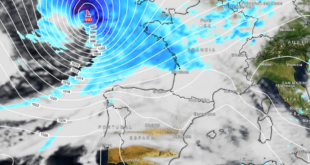
As alerts continue to be in place, storm cells are spreading across Spain.
Credit X – Aemet
Madrid and four other areas are under orange weather warnings due to heavy rain and hail. Strong winds and high wind speeds could disrupt outdoor plans, travel and evening commutes. Spain’s weather agency AEMET It has been warned that certain areas could experience up to 30 litres rain per square metre within an hour. This would be enough to cause flooding locally in a very short period of time.
Today is the most unsettling weather day of the week.
Residents, commuters and vacationers all need to know the same thing. Be sure to keep an eye on the local forecasts and avoid unnecessary travel when severe storms are in progress.
Orange alert in Spain today
AEMET has issued Orange Alerts, which indicate significant risk in five regions.
Madrid
Aragón
Castilla La Mancha
Castilla y León
La Rioja
The areas that are expected to experience the worst storms today include those with hail, torrential rains and gusty wind.
This warning also includes the Henares Corridor in and around Madrid. Fast moving storms can cause traffic disruptions and dangerous driving conditions.
Other provinces, such as Soria, Zaragoza, and Guadalajara, are also exposed to extreme afternoon weather.
Yellow alerts are also available in more areas
Five more communities have yellow weather warnings which indicate that the conditions could be hazardous.
These include:
Andalucía
Extremadura
Galicia
Navarra
Basque Country
AEMET warns of the possibility that rain totals in these areas could exceed 15 litres/square metre per hour. Hail and strong winds are also possible.
Summer storms may not be as severe as the orange alert zones but they can still be localised. A neighbourhood might see very little rain while another is inundated within minutes.
What weather can we expect throughout the day?
Early in the morning, it was expected that showers would affect western Spain and northern areas. Storms will build as temperatures increase and then spread throughout the country in the afternoon and evening.
The worst may hit the Mediterranean Coast and the Northwest. The pattern is typical spring instability, when warm daytime air triggers sudden storm development in the evening.
Most people find that the worst time to travel is in late afternoon. This is when traffic is busy, and people are heading home or going out.
Why hail and flash floods matter
When AEMET warns that 30 litres will fall in an hour, it is not only about getting wet.
A sudden, heavy rain can cause flooding, dangerous road spray, and a sharp reduction in visibility. Hail can also cause problems for drivers, outdoor cafés, terraces, parked cars and pedestrians caught outside.
Strong wind gusts can bring down trees or cause loose objects to move. A 20-minute storm can be a travel nightmare if it occurs at the wrong moment.
Advice for Madrid residents, travellers and tourists
If you happen to be in Madrid today during the afternoon or even evening, please do not hesitate to contact us.
- Check weather forecasts before traveling
- Allocate extra time to travel
- Parking under trees is not recommended.
- Remove loose patio furniture or terrace furniture
- If thunder is close, it’s best to delay outdoor activities
- Be careful on the road as visibility can drop.
During heavy storms, public transport can continue to operate normally but there may be delays.
The weather will improve tomorrow
The news is good for Thursday, 30 April. Forecasts indicate storms will weaken in much of Spain and a more settled situation should return to many areas.
Early in the morning, some heavier showers may still affect the Ebro Valley. Later on, rain will shift to Galicia and Cantabrian Coast.
In other areas, there will be fewer showers. They are more likely to affect the mountains, Pyrenees or inland Catalonia. Thursday will be a nice break from today’s storms. But Friday may be a stormy day again
The calmer period may not last for long. Forecasts suggest that instability may increase again Friday afternoon, particularly in central and east Spain. The Iberian System, the Pyrenees and other areas may experience storms.
This means that anyone planning a weekend trip should keep checking the latest forecasts, rather than assume the worst is over.
Why Spain’s weather has changed so much
In Spain, spring is often a time of contrasts. Cooler air in the upper atmosphere can be quickly followed by storms as heat rises near the surface. It can cause the type of downpours familiar to many.
A blue sky at lunch does not guarantee a dry night.
Today, the key message is:
Spain does not face a national washout but there are many local storms that could be intense. If you live in or are travelling through Madrid, Aragón, Castilla La Mancha, Castilla y León or La Rioja, take the orange warnings seriously.
Storms may pass quickly. While they are above, storms can be very powerful.