Costa News Spain Breaking News | English News in Spain.

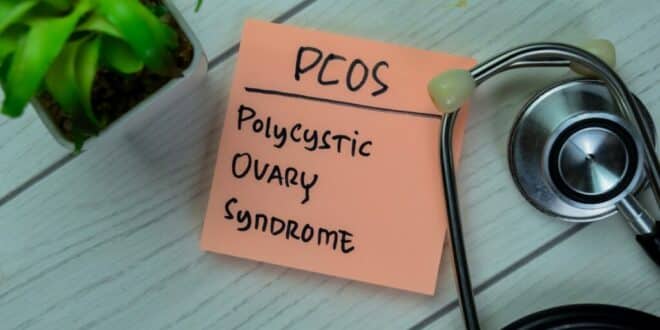
PCOS is now officially known as PCOS, with experts pushing for better diagnosis and greater awareness of the condition.
Credit: Bangoland, Shutterstock
Millions of women live with a condition affecting their periods, fertility, weight and hormones, but many do not even know it. After years of criticism, both from patients and doctors, polycystic ovary syndrome, more commonly known as PCOS is being officially renamed. This move will hopefully fix decades of confusion about the condition.
The change was made because researchers felt that the old term focused too much on ovarian cysts and didn’t reflect what many women really experience. The new term, polyendocrine metabolism ovarian disorder, or PMOS is intended to highlight the fact that the condition affects the entire body.
The Change was published by The Lancet After an international collaboration between doctors, researchers and patients organisations. Specialists hope that the new terminology can help diagnose the condition earlier in women and encourage the healthcare system to take it more seriously.
Globally, 10 to 13 percent of women in reproductive age are affected. Yet, experts believe that the majority of cases go undiagnosed.
Why the doctors use the old name has caused years of confusion
Many women were confused by the name. The phrase ‘polycystic ovary syndrome’ led countless patients to believe the condition was only linked to cysts on the ovaries. Some women were told that they couldn’t possibly have PCOS, because scans didn’t show cysts. Specialists say this has never been a complete picture.
Some women who are diagnosed with this condition don’t have any ovarian cysts. Other women experience symptoms that are not related to cysts.
Doctors believe that the syndrome affects hormones, metabolism and mental health. It can also have an impact on fertility, cardiovascular health, and reproductive health. The syndrome is characterized by irregular periods, acne and excessive hair growth.
The hormonal changes that cause the condition can also lead to anxiety, depression, and issues with body image.
Professor Helena Teede of Monash University, Australia, who led the renaming project, has spent many years correcting the confusion caused by the old name. Researchers who were involved in the project said that by focusing on only ovaries, wider health risks had been overlooked for far too long.
Scientists discovered that there are strong links between insulin resistance, type 2 diabetes and this condition.
It affects more than just fertility
PCOS has been largely treated as a fertility disorder for many years because women seek help first when they have irregular periods or fertility issues. Researchers say that the condition is much more complex.
Scientists discovered many years ago that many women with this syndrome also develop insulin resistant, which means the body struggles to process the insulin properly. Over time, this can increase your risk of developing diabetes and other metabolic conditions.
Doctors are increasingly describing the syndrome as an ongoing hormonal and metabolic disorder, rather than a simple fertility issue.
It is becoming increasingly apparent how much it affects our daily lives.
Some women suffer for years without a diagnosis. Some women are referred repeatedly between specialists, without considering the bigger picture.
A dermatologist could focus on acne. A gynaecologist might focus on irregular periods. A nutritionist might focus on weight gain. Patients are left to try and make sense of the situation themselves.
Many specialists wanted a new name because of this fragmented method.
The hope is that PMOS will encourage physicians from different medical disciplines to recognize the condition faster and treat it more effectively. Researchers believe that updated terminology can also reduce stigma.
Many patients thought the old name was misleading or minimized what they experienced. Women felt dismissed by doctors when their symptoms, such as those affecting their mental health or metabolism, were dismissed.
Experts hope that by changing the name of the condition, the conversation will be broader and more accurate.
Why millions of women are still undiagnosed
Experts believe that despite the fact that millions of women suffer from this condition, many still don’t know it.
The irregularity of menstrual cycle is one of the most important warning signs. Doctors advise women with fewer periods than eight a year or cycles that last longer than forty days to consult a health professional regarding possible hormonal issues.
Other symptoms may include excessive facial hair, thinning of the hair on your scalp, acne that persists, weight gain without explanation, and difficulties getting pregnant.
The most common diagnostic method is to review symptoms, hormone levels, and medical histories. Treatment depends on the symptoms and life stages.
Women who suffer from acne or excessive hair may be prescribed hormonal contraceptives in order to regulate their periods and reduce androgen levels. Other women may be prescribed medication to treat insulin resistance or metabolic symptoms.
Also, lifestyle changes are often recommended. Doctors claim that moderate weight loss, regular exercise, and balanced nutrition can help improve some symptoms, especially those associated with insulin resistance.
Women who are trying to get pregnant may benefit from fertility treatment.
Many experts believe that the condition is not receiving enough medical attention when compared to other long-term health issues affecting similar numbers.
Researchers involved in this process of renaming hope that a new terminology can lead to increased funding, improved awareness and faster diagnosis.
The change might seem symbolic to many women who suffer from the condition. Doctors behind the decision, however, believe that words are important, particularly when it comes to how illnesses are diagnosed and treated.
After years of confusion, many experts now believe that the old term no longer accurately reflects the condition.