Costa News Spain Breaking News | English News in Spain.

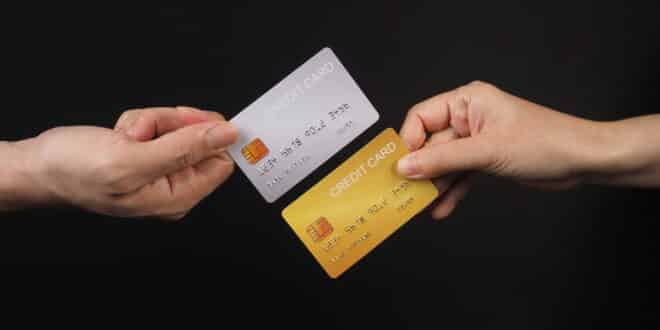
The most beneficial joint account is when the financial relationship is stable and long-lasting. Photo credit: pui_bunny/Shutterstock
Joint bank account (in Spanish) “cuenta mancomunada” or “cuenta conjunta”() is a joint account that has two or more named holders, each of whom shares equal control over the money. This is used by couples, families, and business partners who want to have easy access to money. The main advantage is convenience: any account‑holder can deposit or withdraw money, pay bills, or manage standing orders without needing the other’s express permission at that moment.
Nevertheless, this convenience brings with it a shared responsibility. All holders share the same liability. If one person withdraws the entire amount or incurs debts or overdrafts, then the other holders are also liable. Because of this, it is critical to choose carefully, trust, clear communication and shared financial habits are essential.
The Practical Aspects to Consider Before Opening a Co-Account
Access and liability
Both parties must be aware that they can manage the account independently, unless otherwise specified in the contract. The same applies to withdrawals, transfers or closures. Financial decisions taken by one party can affect the other.
If the account goes into overdraft, or credit is extended to the account, all account‑holders share liability. Similarly, any automatic payments, direct debits or standing orders set by one will continue unless changed by an account‑holder.
Communication and rules of engagement
Prior agreement is a good idea. It will help you avoid misunderstandings, especially if you are living together or in a long-term relationship. This helps avoid misunderstandings, especially for long‑term or joint living situations.
Documentation and compliance requirements
Spanish banks typically require documentation for each account‑holder: valid DNI, A utility bill, rental contract or other proof of residence is acceptable (e.g. A utility bill or rental contract is acceptable as proof of address. For non-EU residents, or foreigners, a valid residency permit (NIE) will be required. Some banks may also ask for a social‑security number or fiscal ID, depending on your residency status, tax status, or type of account (especially if credit, overdraft or debit cards are included).
Because regulations regarding anti‑money‑laundering and customer identification are strict, both parties must present documentation, you cannot circumvent this by letting only one person sign.
Take into account inheritance and tax implications
A joint account could have an impact on inheritance and taxation. For example, depending on how the account is structured and used, both holders may be seen as co‑owners of the funds, which can affect wealth and inheritance tax, especially in the event of one holder’s death or separation.
What Expats Must Do to Open A Joint Bank Account In Spain
Here are some practical steps to take if you’re a foreigner or an expat in Spain who wants to open a joint bank account:
- Obtain your NIE (Número de Identificación de Extranjero) Or residency certificate. Most Spanish banks require a valid Spanish foreign‑ID number. It can be difficult to open a personal bank account without it.
- Gather documentation valid passport or EU ID, proof of address in Spain (recent utility bill, rental agreement, empadronamiento — municipal residence registration), and possibly proof of employment or income.
- Both parties are required to be present When opening a joint bank account. Banks must verify identity and consent for each holder under anti‑money‑laundering rules.
- Decide jointly about account features debit cards, contactless payments, online banking, overdraft protection, direct debits, etc. Be sure to understand both permissions and liability.
- Clarify signatory model Some joint accounts are allowed One holder only Others require that you operate a account. You can also read about how to get in touch with us. Holders to approve withdrawals. Choose the model which best matches your needs.
- Find out about fees and taxes. Some banks charge maintenance charges or require minimum deposits. Depending on your tax residency, you may need to declare assets or income abroad as an expat.
When a joint account makes sense, and when to avoid it
It is best to have a joint account when you are in a long-term, stable financial relationship, like between spouses, life partners or when managing a household that has shared expenses. It simplifies bills, rent, expenses shared, saving or lending between two individuals.
A joint account may cause conflict if the personal finances are not kept separate. For example, between roommates or friends in a relationship that isn’t long-term. A joint account can lead to conflict if the money is taken out or the account is misused by one person.
What Banks (and Experts) recommend
Financial advisers advise against using joint account unless there is a mutually trusting relationship with a financial advisor. Even if it is not necessary, they recommend that holders draft a simple agreement outlining the terms of the account, who will contribute what and how withdrawals or deposits are to be handled. Although this may not be legally enforceable, it can help prevent misunderstandings and disputes.
Spanish and EU regulations oblige banks to verify each account holder’s identity, their address and fiscal situation, and to reject the opening of a new account in cases where documentation is incomplete. They also encourage using accounts under the “one‑holder authorisation only” model (i.e. If the parties want to limit access unilaterally, they must require both signatures.
The conclusion of the article is:
It is possible to open a joint account in Spain for couples, family members, or partners. However, it comes with real responsibilities. Both parties should understand that they will share the responsibility and access. Complete documentation (especially for expats) is needed, and there must be clear agreements in place before deposits are made.
To be a successful expat, you need to plan ahead. Obtain your NIE. Gather valid IDs and proofs of address. Attend the bank with your partner. A joint account is convenient if you have the right preparation and trust.