Costa News Spain Breaking News | English News in Spain.

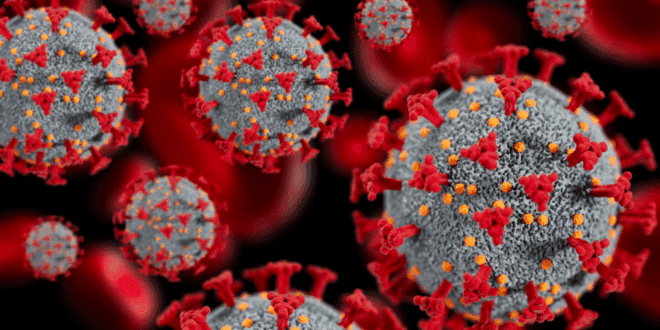
Genetic sequencing and regional reporting systems are being used to closely monitor the mutation. Photo credit: chama606/Shutterstock
In Spain, health officials and epidemiologists are concerned about a recently identified mutation in the influenza virus. They have warned that this could cause the “worst season of flu in a decade” in the country. While influenza typically peaks during winter, the mutation, first detected in late September 2025, appears to be more transmissible than previous strains, raising alarm among public health officials. The Spanish Ministry of Health urged the public, and in particular high-risk groups to take precautions, including early vaccination. Clinics and hospitals have been advised to be prepared for increased patient numbers, particularly in vulnerable groups.
Understanding Mutation
What makes this strain different from others?
Experts on health say: the new mutation The virus may be able to spread between humans more easily if it has alterations to the proteins hemagglutinin or neuraminidase. According to laboratory studies, the mutation could partially undermine the immunity protection provided by the vaccines of last year. Although most cases will be mild, serious infections may occur in those with chronic health conditions, such as diabetes, asthma or cardiovascular disease.
The mutation is closely monitored by genetic sequencing and reporting systems at the regional level. Scientists are comparing the structure of this mutation with that of previous seasonal strains, in an attempt to predict its potential effectiveness. Early results suggest that vaccination is still strongly recommended, even though immunity from previous infection may provide partial protection.
Early Trends, Public Health Response
Increased cases and vaccination campaigns
Primary care centres in Spain report a noticeable increase in influenza-like illnesses since late October. Some regions have almost doubled their patient numbers when compared with the same period of last year. Priority will be given to those with chronic illnesses, the elderly, health care workers, and pregnant women. Hospitals and pharmacies are preparing to meet the increased demand for antiviral medication, such as oseltamivir. This drug can reduce the severity of an infection when administered quickly.
The authorities are also encouraging employers to encourage remote work and flexible sick leave in order to avoid workplace transmission. Schools and universities implement hygiene measures and encourage vaccination of staff and students.
International Context
Compare with neighboring countries
Similar trends can be observed in Europe. The National Health Service in the United Kingdom reported an increase in influenza admissions, and issued guidance to encourage vaccinations and reinforce hygiene practices. France, Germany, Italy, and other countries are closely monitoring hospital admissions. Health agencies warn international travel can facilitate faster spreading, so vaccinations and early symptoms awareness are critical for residents and guests.
Spain’s public authorities are in touch with the European Centre for Disease Prevention and Control to coordinate strategies for surveillance and response. Early international reports suggest that vaccination programs in neighbouring nations may be updated to reflect the mutated strain.
Symptoms and Prevention
Keep safe this flu season
The symptoms are the same as those of standard influenza: fatigue, soreness in the throat, fatigue and fever. Public health authorities recommend Routine measures include hand hygiene, wearing a mask in crowded areas, and avoiding contact between sick people. Experts stress that vaccination remains the primary tool for prevention, and even partially effective vaccines reduce hospitalisations.
The authorities also urge parents and caregivers not to ignore signs of high fever, or breathing difficulties in their children. Seek medical attention immediately if these symptoms worsen.
The following are some key points:
- A new flu mutation in Spain is raising concern, and could potentially lead to the worst influenza season in 10 years.
- The virus may show alterations which increase its transmissibility, and reduce the effectiveness of vaccines.
- It is recommended that high-risk groups receive early vaccination and antiviral treatments.
- European countries observe similar trends, which emphasizes the importance coordinated public health responses.
- It is recommended that citizens practice good hygiene, monitor symptoms and seek out medical help if required.
Monitoring, research, preparation
Scientists conduct a continuous genetic surveillance to determine the behavior of the virus and whether any additional vaccine updates are required. Researchers are also evaluating the effectiveness of public health interventions in order to reduce the burden on hospitals. Although predictions are still uncertain, officials stress that preparation, vaccination, early treatment, and preparedness will be key in reducing the impact of the influenza season.
Research teams monitor global data to identify trends in hospitalisations and severe cases. Public health agencies are continuing to coordinate education campaigns to increase awareness. It will be vital to work together with hospitals, laboratories and schools to minimize the effects of the virus mutation and prevent disruptions during winter.