Costa News Spain Breaking News | English News in Spain.

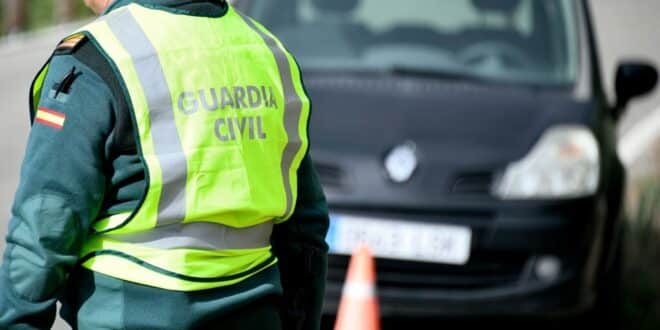
Guardia Civil in Spain will be using the new movable DGT Radars on all Spanish roads
Credit : Joan Llado, Shutterstock
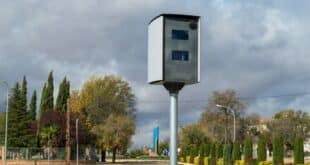
The Spanish government has informed drivers that 15 new DGT dynamic cameras will be installed in Spain. These devices can be moved from one location to another and are not permanently fixed. Drivers who are used to the radars and only slow down when they see them could be surprised by these new units. The Guardia Civil will use the new units confirmed by official contracting notifications. DGTOngoing efforts by’s to reduce speeding on Spanish highways.
The biggest change for many drivers isn’t the increase in cameras. They will not always be located where you expect.
Why this new radar system is important to drivers
Anyone who drives in Spain regularly knows the pattern. People talk about fixed radars, they share locations in WhatsApp groups and there are stretches of roads where locals will automatically brake because they anticipate a camera.
These devices are intended to make this habit less useful. According to reports, they can either be fixed in place or moved based on where the officers decide to put them. The same camera may be used to monitor one road one week and another the next.
This unpredictability makes them very different from traditional fixed system drivers.
If you already adhere to the speed limits, there is not much difference.
It could be a big deal for someone who speeds up until they reach an established camera.
The DGT’s focus on speeding continues
Speeding has been a major problem on Spanish roads for many years, according to the Spanish traffic authorities.
This is why the speed enforcement system continues to expand through fixed cameras and section control systems, as well as mobile checks.
The DGT’s view is simple. Lower speeds reduce stopping distances, giving drivers more time to react if something unexpected happens.
Many motorists are against the increase of controls, and they see cameras as a way to collect fines. Some people point out that some dangerous roads have become calmer since enforcement began.
It is unlikely that this debate will disappear.
These 15 units are just the latest in a long line of road monitoring technologies that Spain has invested in.
What are the most likely places to use them?
The cameras are mobile and can be used in areas where traffic patterns have changed.
You may be referring to busy holiday routes, road jams during long weekends, summer getaways, or areas where speeding is a frequent complaint.
Officers can easily move radar units based on their needs, rather than leaving them permanently at the same location.
A route to coastal resorts may be given special attention on a summer’s Friday, whereas another route might receive additional attention when returning home.
This flexibility allows the authorities more options while providing drivers with fewer clues. Also, people should not assume that quieter streets are exempt from checks.
What is known about technology
According to reports, the new units can monitor multiple lanes in both directions. This would allow a single device to cover more road than the older systems that only covered one lane.
The devices are described as being able to detect vehicles at a distance. This can be helpful for officers who want to monitor traffic even before drivers realize the device.
It means for drivers that sudden braking may be less efficient than before.
It is always smarter to start driving slowly and safely.
What is the most important thing that drivers can take away from this?
Some headlines can make every new radar seem dramatic.
Reality is a bit more normal. These cameras do not create new offences. These cameras enforce laws that already exist.
You will not be affected by road signs or speed limits if you drive according to the rules.
Yes, if you depend on cameras to help you drive, they can become a nuisance.
This is likely the target group for these new radars.
Is there more to come?
Yeah possibly. Traffic authorities in Europe are increasingly using mobile and flexible enforcement systems. Spain is part of this wider trend.
Further purchases are not unexpected if these cameras prove to be effective.
Currently, 15 units have been confirmed.
What Spain drivers must remember
Radars are often treated as landmarks by drivers. Repeat the routine of slowing down here and speeding up there tomorrow. With the advent of movable camera, this routine will be challenged.
The message for Spanish motorists is clear: it is safer to obey the speed limit away from the cameras. It is everywhere.