Costa News Spain Breaking News | English News in Spain.

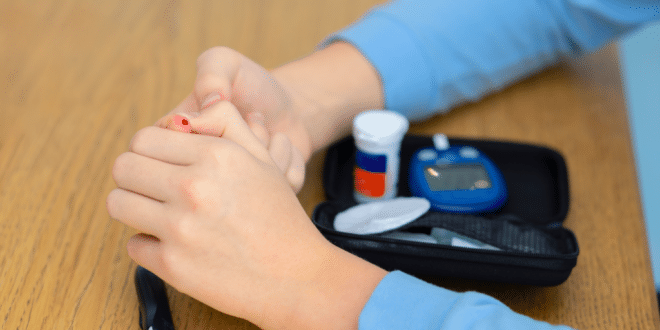
The ability to take a pill instead of injecting could simplify treatment regimens, reduce needle‑associated anxiety and improve overall adherence to therapy. Photo credit: ElenaYakimova/Shutterstock
Researchers in Japan have reported a significant step in the long‑standing scientific effort to develop an insulin medication that can be taken orally rather than by injection. In animal tests, the work conducted by Kumamoto University used innovative delivery techniques to allow insulin to survive digestion and enter the bloodstream.
Since more than 100 years, scientists have tried to find a way of administering insulin without needles. They know that insulin injections can cause psychological and practical problems for those who need regular insulin therapy. Insulin, discovered in the early 20s, transformed diabetes into a manageable condition. Oral delivery of insulin is difficult because the digestive system breaks down the molecules naturally.
New Peptide Approach shows promise
The Japanese team of researchers developed a platform that uses a cyclic DNP peptide as a carrier. This protects insulin from degradation and helps it to cross the intestinal wall in the bloodstream. In animal models, two different methods were evaluated. In one approach, a modified form of the DNP peptide was mixed with zinc‑stabilised insulin molecules. In another, the peptide is directly attached to insulin protein. Both methods reduced blood sugar levels in test animals.
These techniques reported bioavailability of between 33 and 41% compared to traditional injections. This figure is significantly higher than previous attempts with oral insulin. The term “bioavailability”, refers to how much of a dose reaches the bloodstream and is available for therapeutic effects. Even a third the effectiveness of injections via oral administration is a breakthrough in this research area.
Although these findings are limited to preclinical trials, the team believes that they provide a promising way forward for not just insulin but also other biological drugs currently only available via injection.
History of Oral Insulin Development
Scientific literature has well documented the barriers to oral insulin. Insulin, a large and complex protein, is easily broken down in the stomach by digestive enzymes. In addition, the lining of your gut can also prevent absorption. Because of these physiological characteristics, oral administration is ineffective without major technological intervention.
Literature review on oral delivery of insulin highlights these challenges. Researchers have tried multiple strategies including permeation enhancements, protective coatings, and different carrier molecules. However, no product has been clinically approved that delivers insulin reliably via the oral route.
This work builds upon decades of research and demonstrates a specific insulin-passing peptide. This is regarded by many as the biggest barrier to oral delivery of insulin and other proteins.
Patient implications
Oral insulin may change the lives of those who have diabetes. This is especially true for people with type 1 diabetes, who are required to inject insulin multiple times per day. The ability to take a pill instead of injecting could simplify treatment regimens, reduce needle‑associated anxiety and improve overall adherence to therapy.
Oral administration aligns better with the natural release of insulin. In people without diabetes, pancreatic insulin enters the liver directly from the bloodstream, and this first‑pass effect is considered beneficial for glucose regulation. While research on oral insulin attempts to mimic this path, it is still a challenging task. Further study is needed.
Next Steps & Remaining Challenges
There are still a number of steps that need to be completed before this treatment can be made available to patients, despite the promising preclinical results. In general, the next phase would include large animal studies that verify safety and effectiveness in systems more similar to humans. This is followed by carefully planned human clinical trials. These studies must prove that not only does the drug reduce blood sugar effectively, but that it also does so in a safe manner across a wide range of patient groups.
Researchers warn that results from animal experiments and laboratory tests do not always translate into successful treatments for humans. Unexpected issues can arise when a treatment is tested on people, as with any biomedical innovation. Moreover, understanding how the peptide‑based delivery system behaves in the human gut, which differs from that of laboratory animals, will be vital in assessing the feasibility of this approach.
Diabetes in a broader context
Diabetes continues to be a health challenge around the world. Worldwide, millions of people suffer from this condition. If it is not controlled well, it can cause a variety of serious complications.Heart disease, kidney failure, and vision loss are all included. The cornerstone of many patients’ treatment is insulin therapy. Medical research is focused on improving the delivery of this therapy.
These innovations illustrate the progress that has been made in managing diabetes. These advances reflect the ongoing efforts to improve convenience and treatment outcomes, as well as quality of life.
You can also read our conclusion.
The recent findings from Japan are a meaningful step toward achieving a long‑held objective in diabetes care: a reliable oral form of insulin. The work is still in its early stages and human applications are not yet confirmed, but the improvements in bioavailability in animal models and the glucose control they achieved represent a clear scientific advance. Future research will help determine if the approach can be used to treat people with diabetes.