Costa News Spain Breaking News | English News in Spain.

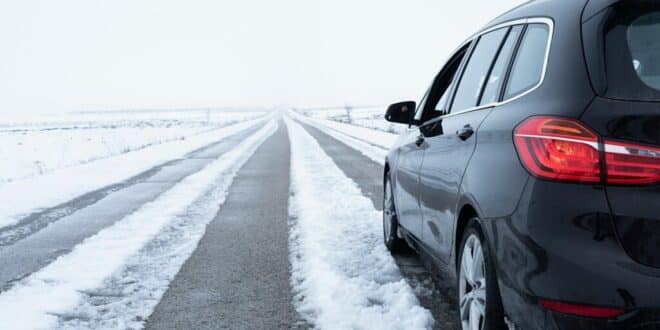
The snowy roads of Spain can be dangerous to drivers.
Credit: Almudena_Marcos / Shutterstock
Driving through the Spanish interior in winter can look like a scene from a Christmas card – until it suddenly isn’t. Expats often assume that the sun is always shining in regions where heavy snowfall occurs every year. Roads close, cars get stuck, and some drivers find themselves stranded for hours in freezing conditions simply because they thought ‘that won’t happen here.’
Spain does not enforce winter tires everywhere as the UK’s colder areas do. But when snow hits, the rules change – fast. You can get fined for not following the rules, and that’s dangerous when you’re stuck in a storm.
So, before you plan that cosy inland escape, here’s what expats need to know to stay alive – and legal.
When the snow chains sign appears… you have no choice
It’s not a rule that requires winter tyres, or chains for snow. Once you see the blue R-412 sign (the tyre in chains), your car must be properly equipped. Reports from Auto Ronda, the fine for pressing on without chains can reach €200.
DGT (Spania’s traffic authority), also says that they can close roads for any vehicle without chains or winter equipment approved. Yes, they really will stop you – and they won’t hesitate.
Many foreigners are unaware of a new feature: winter tyres only have the 3PMSF logo (the snowflake and mountain logo). According to, the older M+S label isn’t enough any more. Lugares de Nieve.
Translation? Winter tyres aren’t mandatory everywhere – but when they are, they’d better be the right kind.
Pack as though you won’t be returning home tonight
If you’re heading anywhere rural or mountainous, think survival kit – not city cruisewear. Spanish authorities are fond of N332 Warn drivers that snowstorms inland can block roads for hours.
This means:
- You already have snow chains in your boot
- Warm clothing and blankets
- Food, water and phone charger
- Keep a full fuel tank in your car, just to be prepared if your heater turns out to be your best friend.
Use the DGT traffic app or website to check weather and road conditions before leaving home. You can also use the official AEMET predictions. Roads can go from clear to closed in minutes – and the only warning might be a push notification you didn’t bother to check.
Driving on Snow: New rules for driving
British drivers sometimes assume Spanish snow ‘can’t be that bad.’ In the interior, it can get worse. The ice is usually invisible. Your car can spin in an instant if you brake suddenly, accelerate sharply and steer.
Clear your whole car – windscreen, lights, roof – or falling snow from the roof could blind you the moment you hit the brakes. And always tell someone your route… especially in remote areas where ‘no signal’ isn’t just a setting on your phone – it’s a way of life.
When the police tell you to install chains, make sure that you stop in a safe place and follow their instructions. Most emergencies in the US begin with the driver assuming that everything will be fine.
It’s a big deal to Expats
Foreign drivers who have second homes or rental cars in the country are usually caught unawares. There’s no snow in Alicante or Málaga… so they assume the same rules apply an hour inland. They don’t.
The shortest winter getaway to a “pretty town” could turn out to be a very dangerous one. If you’re unfamiliar with driving on snow, the margin for error is tiny — and the stakes are much higher.
Last tip: Practice before panic
Buy chains early – and learn how to fit them before you’re frozen and furious at the roadside. Upgrade to 3PMSF Winter tyres if you frequently drive in snow-prone areas. This will save you time, money and stress. And whatever you do… plan using the DGT and AEMET tools instead of relying on wishful thinking.
When it snows on the inland of Spain, you cannot wing it. Preparation isn’t optional – it’s your lifeline.
Stay informed. Stay informed. Stay informed.