Costa News Spain Breaking News | English News in Spain.

Spain is facing a serious health crisis. Sudden cardiac deaths in Spain have now surpassed the total number of sudden death cases across Europe. Published data in The Lancet Regional Health The number of sudden deaths in the country has increased by 3.3% annually. Researchers tracked 53,000,000 cases for a decade and found that ventricular fibrillation was the primary cause of sudden deaths.
Life expectancy factors and lifestyle factors
The increase in longevity is a major factor, as it increases the number of people. Spain maintains one of the highest life expectancies globally. In addition to the ageing population, experts point out poor diet and declining levels of activity as contributing factors. Women are showing a greater increase in cardiovascular issues than ever before. This can be attributed to obesity, hypertension and diabetes.
A more advanced diagnostic tracking could explain why Spanish statistics look alarming compared to those of other nations. The forensic teams and emergency services improved the way they categorise deaths. This has led to better reporting, not just more cases. For the development of future prevention strategies, and national health policies that protect vulnerable citizens, accurate data is essential. A cardiac arrest does not necessarily depend on physical fitness. It can happen at any age.
Access to Defibrillators across Europe
Today, there are vast differences between the nations of Europe in terms of their preparedness and the life-saving gear they offer to the public. Denmark and the Netherlands lead the rankingsAEDs are now integrated into the volunteer responder applications and emergency systems. France and Portugal also have laws that require devices to be installed in large schools and public buildings.
British Citizens Benefit from “The Circuit“, a network that maps every device available for emergency dispatchers during 999 emergency calls. Today’s technology is far superior. AEDs are not only for medical professionals anymore, but anyone can use them. The cost has also dropped significantly. Compared to much of the kit a professional ambulance carries, modern AEDs cost around €2,000.
Southern Europe in danger of lacking
Balkan states like Bulgaria and Serbia have a lower density. The equipment is mostly restricted to private clinics, or major airports. Spanish cities have a reasonable level of coverage, but rural areas lack the infrastructure necessary to effectively combat this growing crisis.
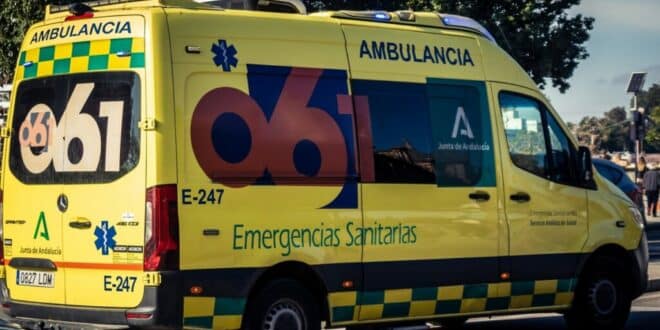
The retired are one of the most vulnerable demographics in Spain. In Spain, many retirees prefer to live in golf resorts and country houses. The average ambulance ride time is long, especially if the patient is in cardiac arrest.
Save A Life in the Costa del Sol, a campaign to help turn the tide in the right direction, encourages the public to take first aid classes and install AEDs in new places. This will better equip them to deal with emergencies that could be life or death.
Costa del Sol: How to save a Life