Costa News Spain Breaking News | English News in Spain.

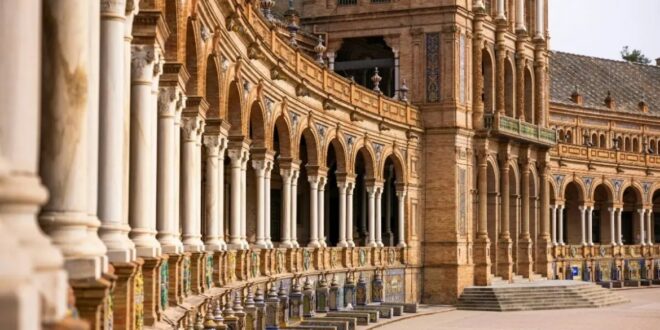
The clattering of ceramic shops and guitar chords still echo in its narrow streets. It also offers a glimpse of Seville’s soul.
A river-shaped neighbourhood
Triana was developed in a different world from the old city, which is separated by the Guadalquivir. It takes its name after the Roman Emperor Trajan as a tribute to Seville’s old roots. The district was a major hub for merchants, fishermen and explorers heading for the Americas. Crossing the Puente de Isabel II—the elegant 19th-century bridge known simply as the Triana Bridge—remains the most evocative way to arrive. Sunset lights up the cathedral’s skyline as flamenco rhythms are heard from nearby taverns.
Flamenco at the source
Triana, the birthplace of flamenco is a cultural treasure that has been recognized by UNESCO. Generations of singers, dancers and guitarists learned their art in its courtyards and smoky peñas. Spontaneous performances break out outside the big spring Feria in small bars and neighbourhood clubs. Visit during festival time and the streets are transformed into a stage. The rousing palmas, or hand-clapping, of summer fiestas is matched by intimate late-night jams in back-street bars.
Calendar of Celebrations
Triana is alive with festivals all year round. In July, the Velá de Santa Ana Celebrate the patron saint of the barrio with fireworks, music and flamenco. It goes on until the early hours. In late September, the Velá de San MiguelA lively neighborhood fair with street food, local dancing, and processions. Opera lovers will want to watch the Seville Opera BiennialTriana is a popular venue for concerts and recitals. Locals and tourists are drawn to each event, which combines religious tradition with the joyous spontaneity that is synonymous with Andalucia.
Ceramics as a creative heritage
Triana has a long tradition of azulejo ceramic tilework. Over the centuries, Triana’s kilns produced hand-painted tiles for palaces and churches in Spain and Latin America. Today, the Centro Cerámica Triana The interactive displays tell this story, while the neighbouring workshops are still selling exquisite pieces. These studios are like stepping inside a museum where generations of artisans have continued to use techniques they learned from their parents.
Triana’s Flavours
Triana has a culinary identity that matches its rich cultural heritage. Classic Seville dishes like espinacas con chickpeas or bacalao de tomate (salt fish in tomato sauce), appear alongside the district’s trademark pescaito Frito, a small fish that is fried until it’s golden crispy. The bars on Calle Betis offer prawn fritters and croquettes with a view of the river. During festivals, sweet treats such as pestiños or honey-soaked borrachuelos add a seasonal flourish.
Food crawl
For a taste of local flavours, begin near the bridge with a glass or fino, then weave through the backstreets to find chickpea soups and bars lined with ceramic tiles. Finish in the barrio, where you can enjoy late-night flamenco and churros. You can explore at your pace, discovering hidden patios and family run taverns.
Why Triana endures
Triana’s charm lies in its ability remain authentically vibrant and welcoming to the world. This barrio is a living cultural experience, whether you are here for the festivals, music, or to taste the freshly fried seafood on the river. You can enter a community that celebrates tradition every night by crossing the bridge.
Also read: Unveiling Seville