Costa News Spain Breaking News | English News in Spain.

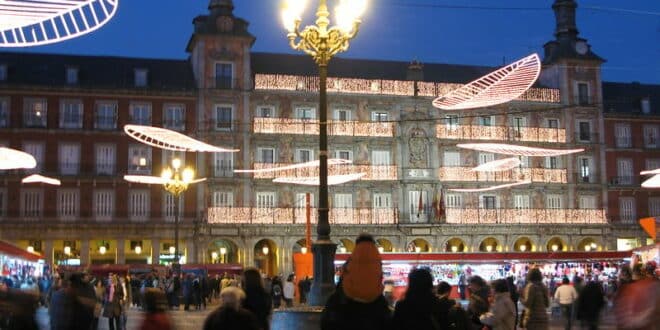
THE streets are ablaze with colourful lights, Nativity scenes have appeared in plazas and the scent of roasted chestnuts is filling the air: it must be December and that means Christmas markets…everywhere!
While globalisation has led us to expect a certain homogeneity on the high street – especially at this time of year when we can’t escape Jingle Bells as a soundtrack and Santa Claus as a motif – at the Christmas markets that pop up across Spain you’ll still find clues to long treasured traditions that are quintessentially Spanish.
READ MORE Gibraltar has become the centre of a new market for weight loss seekers who are looking to purchase Ozempic at a discount.
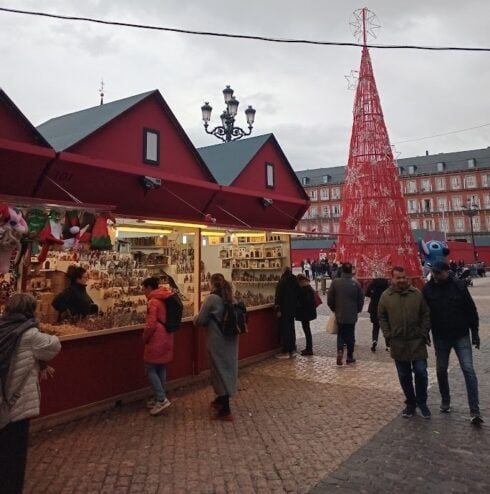
The Mercado de la Navidad is a great example of this. In the Spanish capital, the little wooden huts turn the Plaza Mayor square into a Santa grotto. Not only will you get into the Christmas spirit, but it’ll also provide a fascinating insight into Spanish customs around the holidays.
The first Christmas Market was held on the Plaza Mayor in late 1800s. Merchants from Spain brought luxury items to this market.
Once upon a ttime, live turkeys marched up Calle Mayor. cabalgata on Christmas eve when they would be slaughtered for the feast – until a municipal ban in 1894 forbade livestock in the city centre.
READ MORE Why is Spain’s Constitution Day celebrated on December 6?
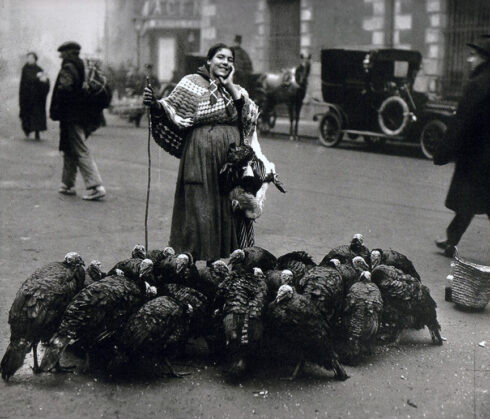
In Spain, turkey is not a popular Christmas dish. Instead, families prefer to eat seafood or roasted suckling pigs during Nochebuena.
Bakers and confectioners from across Spain would bring regional specialities to sell at Christmas; crunchy almond turrón from Alicante, crumbly cinnamon-dusted mantecado from Antequera, delicate marzipan made by cloistered nuns in Toledo and powdery polvorones wrapped in brightly coloured paper.
READ MORE THIS WEEK IN SPAIN: Michael Coy has been diving into the Spanish archives again…
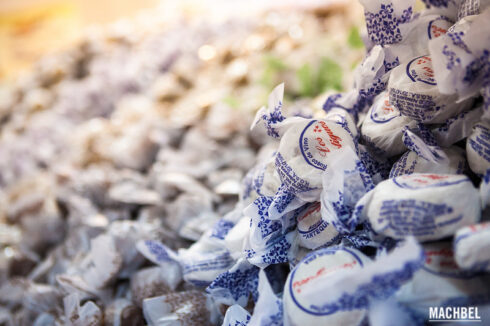
In Spain, these dishes are as popular as Quality Street Chocolates in the UK. You can still find them on sale in many markets.
Back then while their parents would shop for food, children would gather in groups to sing villancicos – an olden day version of Christmas carolling – and although it’s unlikely you’ll come across modern day youngsters doing the same, you may spot zambombas, the little hand drums beaten to accompany the singing, still offered for sale among the Christmas decorations.
In Madrid’s Plaza Mayor, huge numbers of stalls are dedicated to the sale of Nativity decorations – for each home traditionally sets up its own Belén. The figures are far more than the usual holy scene figures.
Along with the handcarved figures of Mary, Joseph, and the Baby Jesus, in a manger, are the usual accolades: A donkey and some sheep, the Shepherds, the Wise Men, perhaps riding on camels, and of course, an Angel.
READ MORE ON THIS DAY: Spain permitted female nouns, two legendary singers were born – and a Spanish cinematic classic was released, writes MICHAEL COY
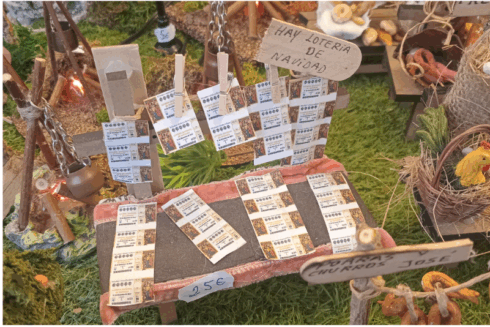
But you’ll also find – in miniature – every aspect of village life, from a windmill to a washerwoman, to tiny market stalls laden with teeny replica fruit and vegetables.
Some families collect a new figurine to place in their Belén each year, replicating their own villages or building one from their own imagination.
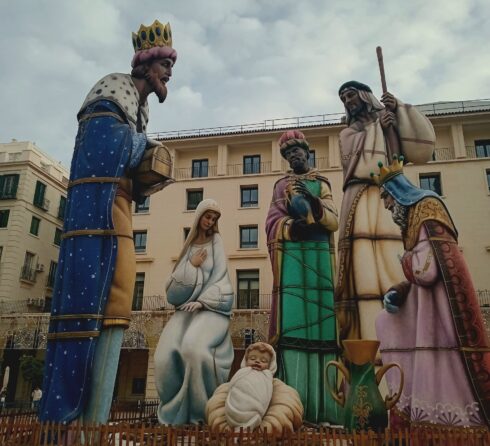
Often Christmas markets are held in squares where the municipality has installed a Belén, some stretching across their own purpose built barn while others, such as the one in Alicante this year, are giant structures stretching into the sky.
READ MORE The Olive Press interviews Spain’s doctor for the national football team about the care of the stars and the local ex-pat who is now an international Dean Huijsen.
Catalonia adds its own unusual twist to the tradition with the addition of a figurine known as a ‘caganer’ – a Christmas crapper.
In a corner, you’ll see them sitting with their pants off and their bare bottoms showing above a pile of poop. It is an old tradition meant to bring prosperity to the household.
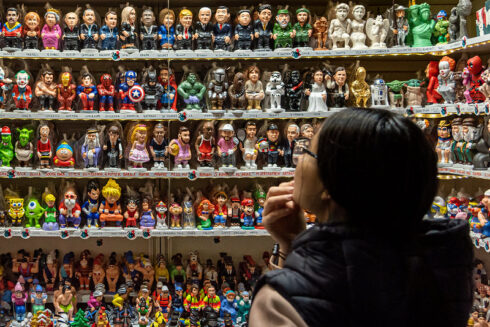
Where once they came in the form of peasants in a white shirt and red beret they now depict famous figures from royalty and world leaders to sports icons and musical superstars.
At a Catalan Christmas market you’ll find entire stalls dedicated to the sale of caganers with bestsellers listed each year – Leo Messi and Donald Trump topped the charts last year.
Those in Catalonia should look out for another scatological figure, Caga Tió, a defecating log wearing a red beret and a big smile.
The creature is traditionally placed in the fireplace, where children will thud it with a wooden stick and sing a song to encourage it to give gifts to those who behave well.
READ MORE Can AI pick the lucky numbers for Spain’s ‘El Gordo’ Christmas lottery? – Here’s what you need to know and 5 hot tips
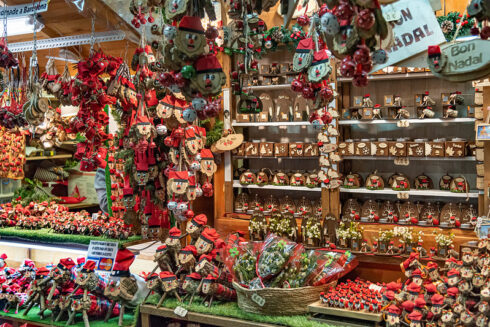
More familiar Christmas decorations such as fir trees and mistletoe will also be prevalent at your local Christmas market – the former usually sold in pots as there are bans on selling cut trees in many places across Spain, while harvesting mistletoe from the wild is illegal.
Santa Claus or Father Christmas is a common sight at Christmas markets. However, it’s only been relatively recently that Santa has become a part of the Spanish holiday season.
Traditionally it is the Three Kings – or Reyes Magos – that bring gifts to children and not until the eve of Epiphany.
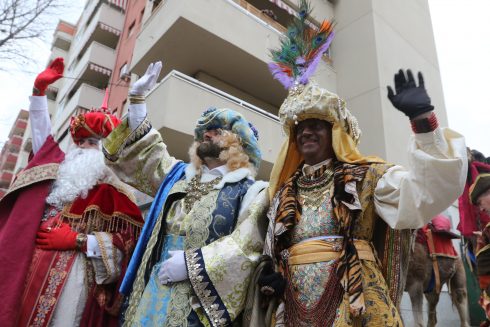
The highlight of this event is the procession that takes place across Spain on the evening of May 5, when actors and local public figures dressed as magi ride elaborate floats, giving out candy to the children in the street.
The Spanish children now expect Santa to bring them stockings along with their main presents on Christmas morning.
There are also stalls with wigs or silly hats to help celebrate the Spanish New Year.
In a Spanish tradition, a grape is placed in the mouth at each stroke of the clock to symbolize good fortune for the months of the year ahead.
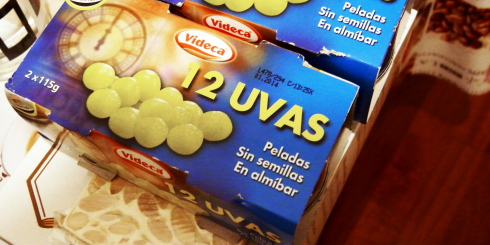
You’ll see packets of grapes with the label “Lucky grapes” and small tins containing 12 grapes for sale to make the process easier, especially for people crowded into public squares for the New Year’s celebration.
Are you confused by the prevalence of pranking items such as pepper sweets, squirty lights, or plastic poos that are sold at certain stalls?
These items may be ideal for stockings, but they are also bought to make practical jokes against friends and relatives on Spain’s April Fools Day.
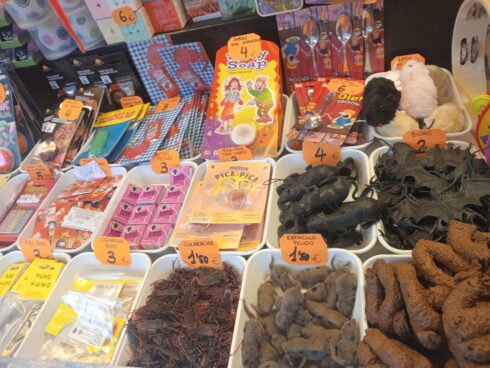
The Dia de los Santos Inocentes takes place on December 28 when people carry out ‘inocentadas’ on each other.
Fake news is spread in the media and newspapers on this day rather than April 1.
You may not be able to find mulled wine in Spain, but you can always indulge in a cup chocolate with churros. Or, you could even have a slice Roscon de Reyes. This sweet brioche is decorated with glistening fruit and is Spain’s defacto christmas cake.
The Olive Press Travel News is available here.

Discover Tailor-Made Tours
Simply Holiday Bookings offers a wide range of personalized vacation experiences.