Costa News Spain Breaking News | English News in Spain.

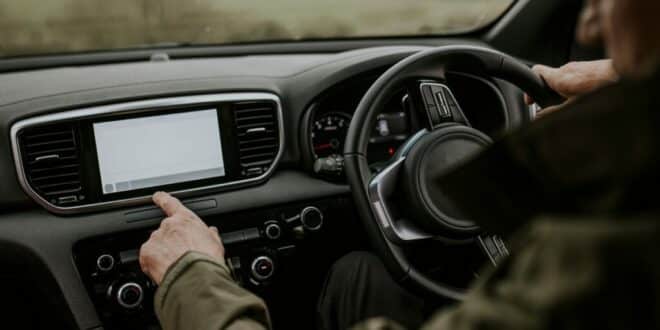
Euro NCAP requires physical buttons to control key functions of cars by 2026. This will reduce driver distraction.
Credit : Rawpixel.com, Shutterstock
From January 2026, new cars will be equipped with touchscreens that allow them to control the wipers. In January 2026, the new touchscreen technology will be introduced. Euro NCAP Safety regulations will drive carmakers away from touchscreen controls, and back to physical buttons and handles for the most essential functions.
The decision came after concerns grew that the obsession of giant screens inside vehicles had gone too far. What started as a symbol of modernity has now become a safety risk – one that distracts drivers and takes their eyes off the road.
Touchscreens are out – safety is back in
Carmakers have been competing for years to create minimalist interiors that are filled with large touch screens. But Euro NCAP – the European car safety authority – says it’s time to hit the brakes on that trend.
In order to achieve the highest safety rating from Euro NCAP, carmakers will need to restore the physical controls of basic functions, such as the horn and indicators, the hazard light, the windscreen wipers and the emergency call system.
It’s simple: reduce distractions. “Digging through menus just to activate your wipers isn’t progress – it’s dangerous,” said a Euro NCAP spokesperson.
This is not the only organisation that feels this way. The touchscreen-only system has been a source of frustration for drivers across Europe. Drivers are forced to look away while driving to complete basic tasks.
It’s not the end of touchscreens but rather a return back to balance
Euro NCAP does not ban all technology. The new standards simply demand that critical driving functions also have physical versions – meaning you’ll still have digital options, but not at the cost of convenience or safety.
The updated rules also call for vital driving information like speed, headlights, or active safety alerts to remain clearly visible and within the driver’s direct line of sight – a clear pushback against the growing trend of placing every bit of information on a single central display.
The new protocol takes it a step further to encourage smarter, more safe tech. Driver monitoring systems, which track attention, fatigue or even signs of intoxication, will now become a major part of safety scoring — jumping from just two points to a massive 25 points in 2026.
These systems are designed to spot when a driver is distracted, drowsy, or impaired – and alert them before an accident happens. Over time, these systems could detect alcohol and drug use based on patterns of eye-movement or reaction time.
Why automakers must play along
Technically Euro NCAP is voluntary. Manufacturers are not legally required by law to adhere to its standards in order to sell cars across Europe. But there’s a catch – those five shiny Euro NCAP stars have become a powerful selling point.
They are trusted by buyers. They are a source of pride for automakers. Losing them can be bad for the business. While brands may ignore the rules in some cases, it is unlikely that many will.
The updated testing system will also include tougher evaluations for active safety features – like automatic braking and lane-keeping – and introduce new scenarios involving motorcycles and junctions.
In short, Euro NCAP isn’t anti-technology – it’s anti-distraction. The 2026 changes are designed to strike a balance of innovation and safety. They remind carmakers that something futuristic does not necessarily mean it is safer.
Euro NCAP is to be credited for bringing back common sense in the dashboard.