Costa News Spain Breaking News | English News in Spain.

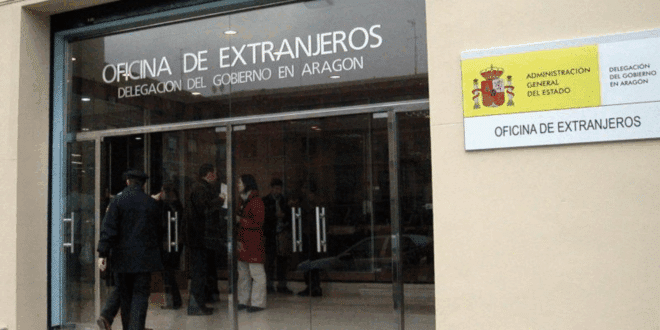
LIFE for expats or potential expats could soon be a whole lot less stressful Spain after the government announced it is rolling out a major – and very welcome – reform of its residency and immigration system.
The changes, which are now in phased implementation and will be implemented fully in 2026, directly affects anyone who wants to work or live in the country.
After years of complaints, the government is now updating how residency permits will be processed. It’s moving to a digital one-stop shop after complaints about delays and inconsistent rules.
READ MORE: Spain’s population conundrum: Life expectancy breaks new record, births are at an all-time low – and over half a million immigrants arrive each year
The new framework will reorganise the residency categories so that they are the same across the country. This means that applicants in Malaga won’t have to provide different documents from those in Alicante and Valencia.
The biggest change for expats will be the move towards digital applications.
The online completion of more procedures means fewer appointments in person and less reliance upon provincial immigration offices, which have been struggling with large backlogs.
The goal is to standardise documents across the country, reduce paperwork and accelerate renewals which often took months in some areas.
As part of their preparations, immigration offices have started hiring additional staff. However, the speed at which the transition will occur will vary by province.
READ MORE Winter is here: temperatures will plummet in Spain due to an Arctic blast bringing snow and freezing weather conditions
What replaces what?
The old model — based on:
- Immigration offices in each province
- Uneven appointment systems
- paper-heavy applications,
- and differing document standards —
This is being replaced by:
- a unified national framework,
- First-ever submissions online
- Document requirements harmonised
- Expanded digital identity verification
- There are now clearer and more standardised categories of residency.
It does not mean that all immigration offices in the physical world will be closed.
They will continue to exist, but they are expected to shift from being the centre of the process to a secondary, verification-and-support function.
According to HealthPlanSpain.comThe categories that are expected to improve the most include those who apply for non-lucrative Visas, digital nomads, and highly qualified workers.
Residents who already have a residency card do not need to apply again unless it is time for renewal.
People applying this year, however, may be caught in a bind between the old rules and the new, depending on how they submit their application.
The reform also updates main routes used by foreigners to stay in Spain.
The rules for residents of long-term who are dependent on their family, employment or social connections have been revised to create a more clear and predictable pathway.
READ MOREBritish teenager fights for his life after nearly drowning on school trip in northern Spain
The transition for temporary workers and students between permits will be easier, while the rules for Spanish nationals’ relatives are also clarified.
The government still hasn’t decided whether or not all residence applications will eventually be managed through a single online national system.
It is clear that Spain is moving to a more digitalised, centralised model even though the complete platform hasn’t been revealed yet.
The advice for dealing with the Spanish bureaucracy is still pretty much the same.
READ MORE Spain beats US vulture fund in British court over €1.7bn tussle to hoover up Madrid’s debt
Keep digital copies of all translations. Check your local office frequently and prepare for the transition period when procedures can change rapidly.
While the overhaul is the most significant change in Spain’s residence system in over a decade, applicants can expect some turmoil as the new model takes hold.
The Olive Press has more Explainer News. Click here to find out what they are.

Find Tailor Made Travel
Simply Holiday Bookings offers a wide range of personalized vacation experiences.