Costa News Spain Breaking News | English News in Spain.

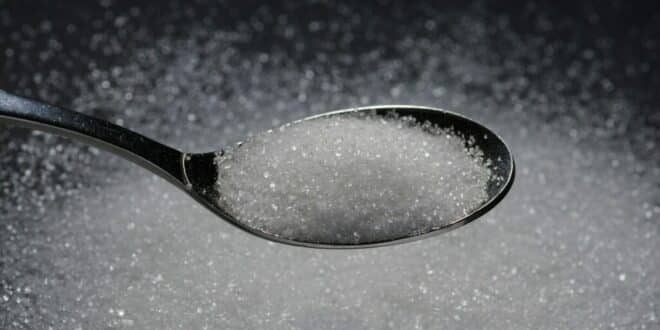
Table sugar. Credit: Immo Wegmann, Unsplash
Scientists have developed a new way to engineer the Bacteria E. coli You can produce tagatoseIt is a rare sugar with fewer calories and a taste almost identical to that of table sugar. The discovery could revolutionize the sweetener business, but its use is controversial. E. coliA name that is associated with food poisoning and serious illness has attracted attention.
Scientists at Tufts reported on the findings of a research project led by Tufts scientists. ScienceDaily 13th January This video shows how a genetically modified bacteria is transformed into a microscopic “factory” that turns common glucose into sugar that tastes and behaves like the real deal.
Scientists turned E. coli bacteria into sugar
The researchers created a laboratory strain Escherichia coli Specific enzymes are carried by bacteria that can reverse a metabolic pathway. This allows the bacteria to convert glucose – one of the world’s most abundant sugars – into tagatose.
According to the team of researchers, the process has a conversion rate up to 95 percent, which is much higher than that achieved by traditional industrial methods. These typically achieve between 40 and 77%. This efficiency could reduce production costs dramatically and make tagatose a commercially viable product on a largescale.
Tagatose is 92 percent sweeter than sucrose but contains 60 percent fewer calories. It also causes minimal blood glucose and insulin increases.
Why Tagatose has attracted attention
It is difficult to extract tagatose from foods like dairy products and certain fruits because it occurs in such small amounts. This rarity, despite its positive health profile, has kept its use to a minimum until now.
In clinical studies, it was found that tagatose has a lower glycaemic index than sugar because most of it is fermented by the colon. Researchers have linked it with potential benefits for dental health as it doesn’t promote the growth cavity-causing bacteria the same way sucrose does.
The US Food and Drug Administration has classified tagatose as “generally acknowledged as safe” when used in food products.
E. coli is associated with many things
Some strains E. coli When ingested through contaminated food or drinking water, it can cause serious illness. Symptoms include:
- Severe stomach cramps
- Diarrhoea – Watery or Bloody
- Nausea and vomiting
- Fever
In some cases, especially in older adults or children, an infection can cause hemolytic uremic (HUS) syndrome, which is a serious condition that causes kidney failure.
Is tagatose safe to eat?
They are not pathogenic and have been grown under strict control. They are not in the final sugar, which is cleaned before use. The same principle is used to produce insulin, enzymes and many vitamins that are consumed around the world.
For expats and locals in Spain and across Europe – particularly those managing diabetes, pre-diabetes, or weight concerns – tagatose could offer a future alternative that behaves like sugar in cooking and baking without the same metabolic risks.
Researchers say that the same method can be used to make other rare sugars. This could transform how sweeteners and sweeteners are made.
If successful, consumers may soon see products sweetened with tagatose on supermarket shelves – offering familiar sweetness and fewer calories.
All health news.