Costa News Spain Breaking News | English News in Spain.

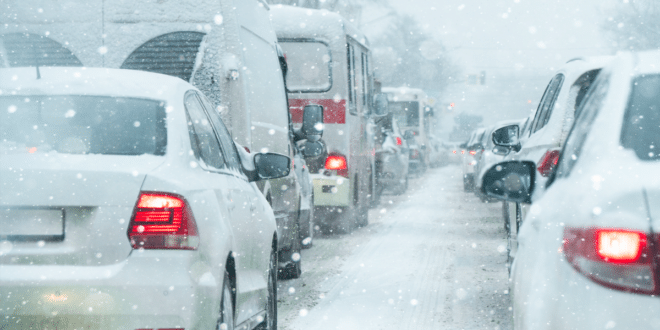
Emergency services were dispatched to help motorists stranded. Photo Credit: Scharfsinn/Shutterstock
Spain is currently experiencing severe winter weather that has caused transport disruptions and other essential services to be disrupted in many regions. Expats living or travelling in the country are advised to exercise caution and plan ahead. They should also be aware of possible hazards, especially on major motorways, in the southern regions that are affected by power outages, and along major roads.
It is important to be aware that delays, power outages, and closures can happen without warning for those who are unfamiliar with Spanish roads, weather warnings or emergency services. Expats are also advised to be aware of the fact that coastal and rural areas can be affected by storms and severe weather, and their normal travel patterns, including commuting and visiting shops or appointments, could be disrupted.
Gridlock on A-6 and Frozen Roads
One of the most severe impacts was on the A-6 autoroute, a vital route connecting Madrid with the north-west region of Spain. Heavy snowfalls caused the traffic to grind down to a standstill, leaving hundreds of cars stranded. Families, especially those with children and elderly passengers, as well as long-distance travelers, were stuck in the freezing cold overnight. They often had to decide between saving fuel or staying warm.
As a result, temperatures in cars dropped sharply. Some drivers ran their engines for heat intermittently, afraid that they would not be able to restart. Emergency services distributed warm blankets and helped vulnerable motorists. But snowploughs were unable to clear the roads quickly because of increased traffic.
The Dirección General de Tráfico (DGT) strongly urged drivers to avoid unnecessary journeys It was advised to use public transport whenever possible. Even after the A-6 was reopened in sections, there were still restrictions, such as bans on heavy vehicles and reduced speeds. Authorities warned of hazardous conditions and possible delays throughout the day.
Travel tips for expats from the DGT on the roads during the storm
- Avoid using major motorways whenever possible.
- Carry winter gear such as chains and blankets. Also, bring food and water.
- Make sure you plan your stops carefully and that you keep the fuel tank full.
- Stay up to date with the latest news and updates via DGT or regional traffic apps Real-time road conditions.
- Don’t drive on roads that are covered in snow or prone to floods.
Southern Spain: Wind Damage and Power Outages
While central Spain faced snow and icy roads, Andalucía and other southern regions experienced strong winds and heavy rainfall, leading to widespread power outages. The damage to lines and substations affected both urban and rural areas, and thousands of households were left without electricity. To maintain essential services, emergency generators were installed in hospitals and other care facilities.
Some municipalities cancelled classes due to flooding in low lying areas. Residents were advised to avoid unnecessary travel, stay inside, and secure any loose items.
Advice for expats living in affected areas:
- Always have a mobile phone charged, a flashlight and extra batteries in case there is a power failure.
- Avoid the areas around fallen trees and damaged structures, as well as flooded streets.
- Follow the latest updates from local authorities, regional civil protection services and other sources.
- If the power outage continues, make sure you have all your essential supplies such as food, water and medication.
Weather Precautions and Risks Wider
The meteorological services had warned of severe weather conditions, but their rapid escalation took many travelers by surprise. Officials stressed that this storm shows the vulnerability of transportation and energy infrastructures in extreme weather events. These are expected to be more frequent.
Even if conditions improve, it is important for expats to remain vigilant. Secondary hazards like icy roads and disrupted schedules of transport, or intermittent power, can persist. Emergency services continue to clear secondary roads, and electricity providers are working to restore full supply across Andalucía. The treatment of mild hypothermia was carried out in several cases, highlighting the importance of maintaining personal safety throughout the storm.
Plan Ahead and Stay Informed
Authorities in Spain urge everyone to pay attention to official warnings about adverse weather conditions and to avoid making non-essential travels. You can access government updates through:
If you are an expat who is unfamiliar with Spain’s transport system or emergency services, we recommend that you register with your embassy. You should also have a SIM card in Spain to receive updates. Also, make sure you have a travel plan, accommodation and communication emergency plan.
Winter storms in Spain are causing major disruptions to road travel as well as essential services. Expats need to be extra cautious, plan carefully and avoid unnecessary travel in peak storm conditions. Visitors and residents who are prepared and alert can minimize risks and safely navigate the extreme weather.