Costa News Spain Breaking News | English News in Spain.

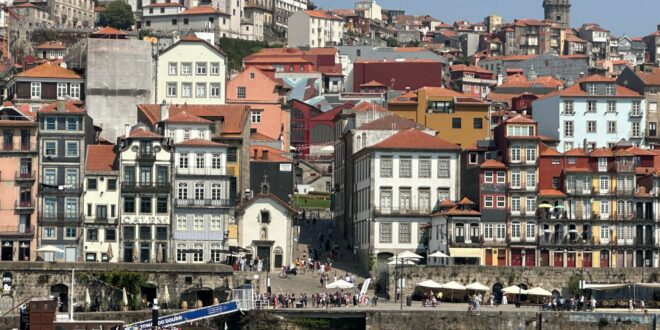
A GLASS OF chilled Alvarinho, on the terrace of Yeatman’s landmark hotel, was the reward for a journey that covered some of Portugal’s wildest and most captivating scenery.
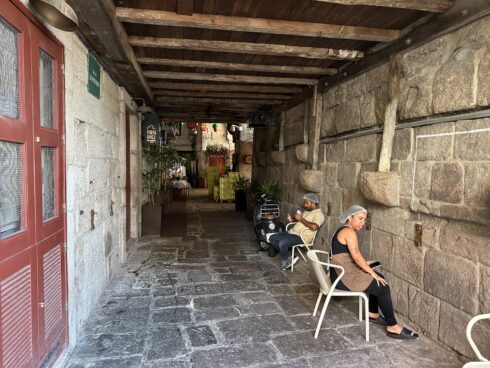
We were definitely ready for aperitifs before lunch after half a days sightseeing through the cobbled street of Porto’s historic center.
We could have been sipping the city’s famed sweet wine, but somehow the 2016 Milagres Alvarinho – from the nearby Vinho Verde region – seemed more appropriate at this time of day; its flinty, yet honeyed consistency matching the scenery that unfolded out in front of us.
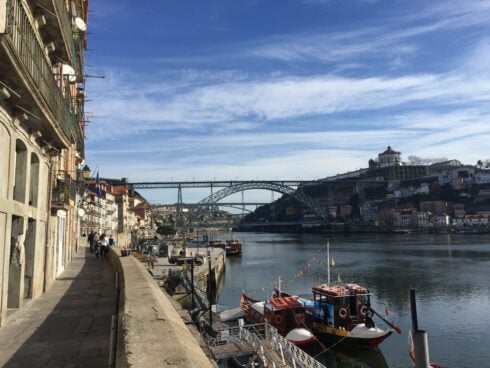
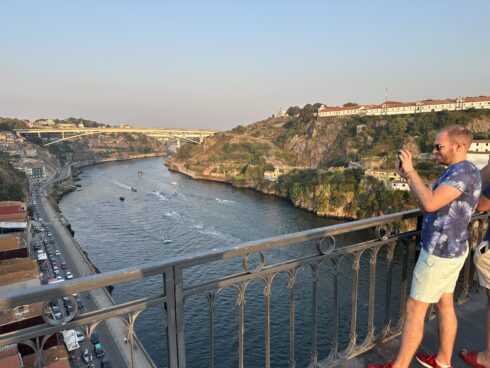
Dick’s Bar is a magical perch, high above the south side of the city. You can see the world float down the famous Douro, which begins as the Duero 900kms east, in Soria. This region in Spain’s Castilla y Leon, upland, is where the Duero starts.
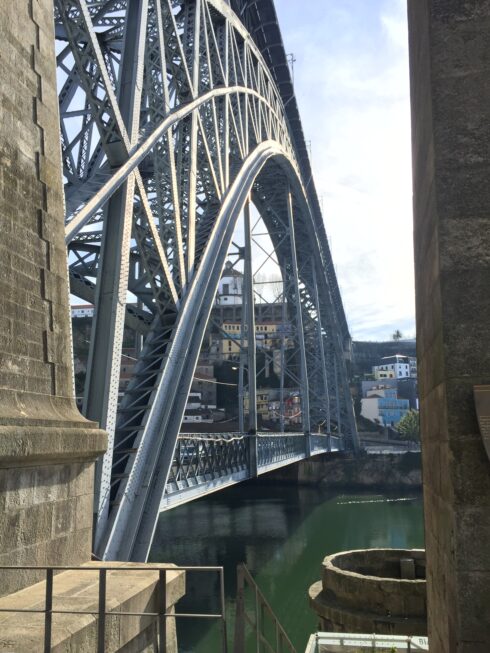
It is the best place to admire the engineering feats that Eiffel accomplished in the 19th Century with his Maria Pia Bridge.
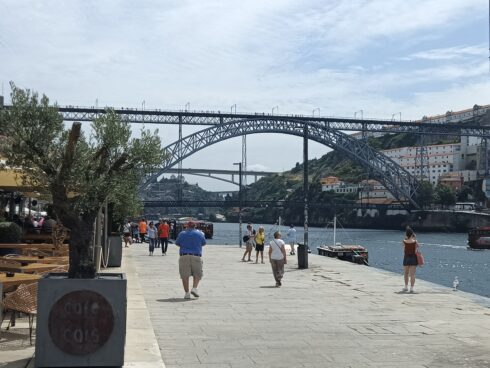
We are in Vila Nova de Gaia. This is the traditional business end to Porto. Across the river, there is an industrial zone steeped in winemaking history, similar to Jerez and Bordeaux.
It is an intriguing barrio to explore, in particular to see how many of its ancient bodegas, known locally as ‘lodges’, have been converted into apartments and shops, as well as what is, certainly, one of the world’s best wine museums.
The WOW, World of Wine offers a fascinating insight into Portugal’s beverage industry, with films, exhibitions, and lots of useful information. It’s both entertaining and educational, with a lot of interactive content.
The Yeatman, a five-star hotel in the same area of the city, was opened five years ago. A massive 105 million euros investment by the Fladgate Partnership has transformed the entire part.
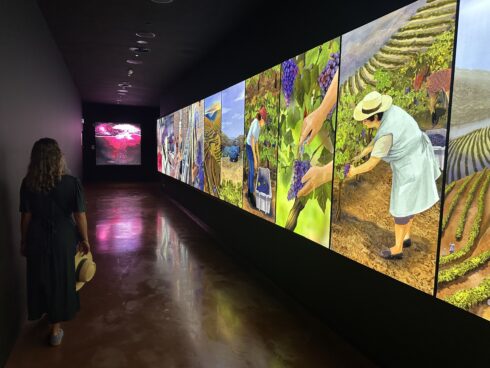
Four museums are located here. There is a cork museum, which pays homage to Portugal’s important industry, and a chocolate museum. The space available for exhibitions and temporary exhibits, the wine school, shops and restaurants, and a lot of room to accommodate temporary exhibitions.
The wines of this ancient city may be a good way to describe it, but they don’t do it justice.
Porto is more than just its overly-sweet, sometimes cloying wine.
A grand, yet easily manageable metropolis that spans one of Europe’s most famous rivers, it is hilly and historic, and civilised and rough-round-the-edges in equal proportions.
The Douro River, which is rushing towards the sea, creates a stunning landscape that combines urban chic with seaside views.
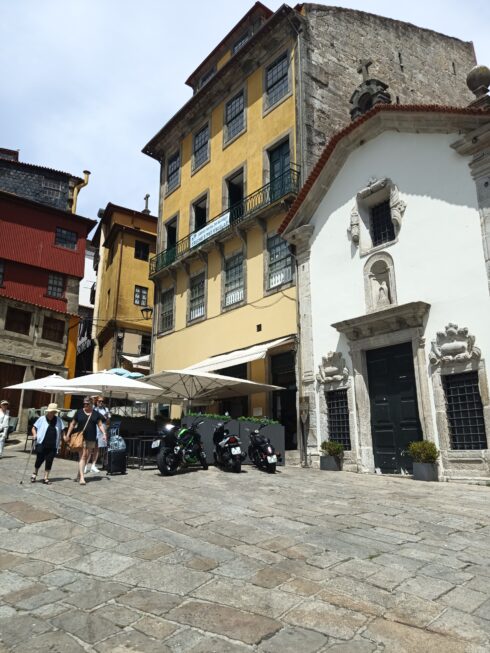
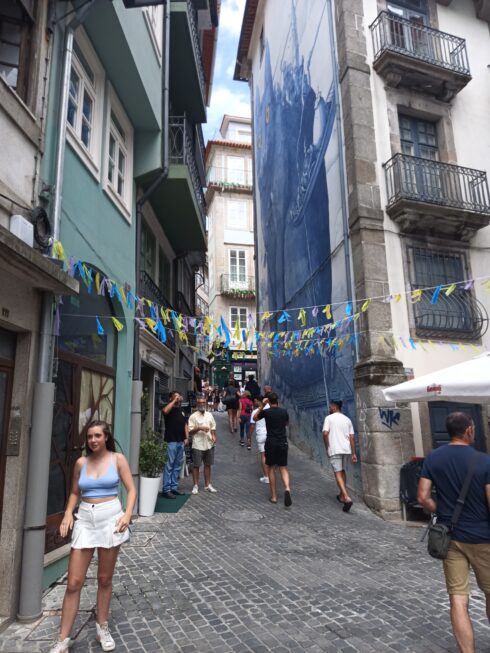
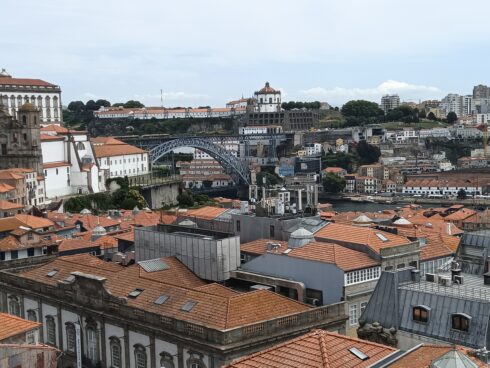
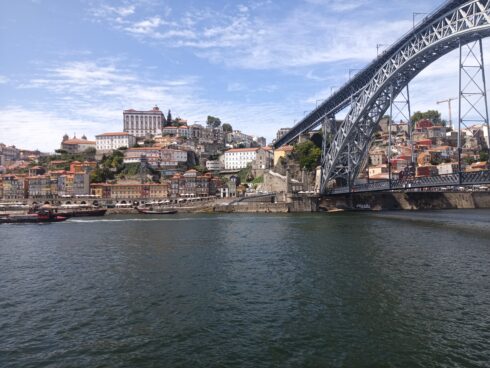
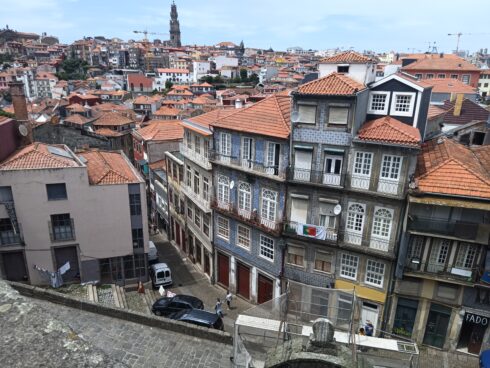
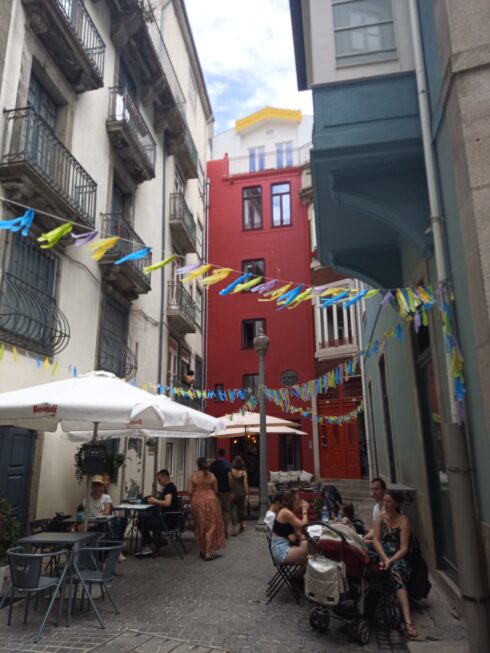
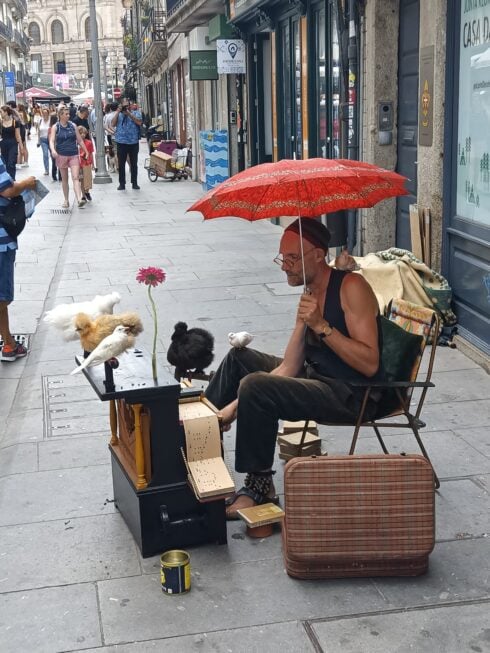
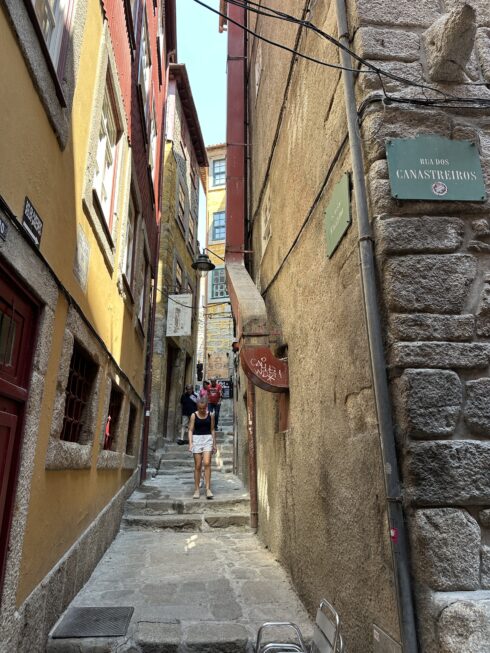
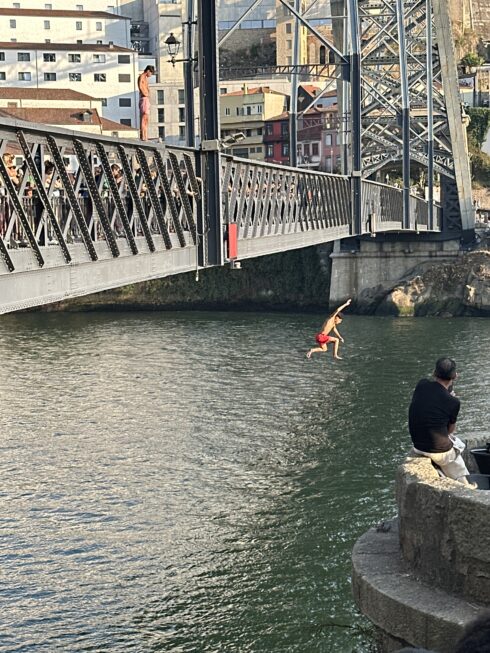

It is the second-largest metropolitan area in Portugal with 1.8 millions people. Celts, Phoenicians and Romans traded here before Romans arrived. In 1996, its historic center was designated a UNESCO World Heritage Site.
The people of this city are affluent and hardworking, and take pride in showing off the best that their city can offer.
The city wouldn’t be what it is today without the region inland that has helped to make its name.
Anyone who is interested in food, scenery and wine should visit the Douro region.
The Valley
In 1756, the top wine experts of the day decided to define the boundaries of the Porto region.
First regulated region of its kind in the world. The boundaries were carefully drawn to ensure the best vineyards received property recognition.
What they didn’t know was that they were protecting the most stunning region in Europe for future generations.
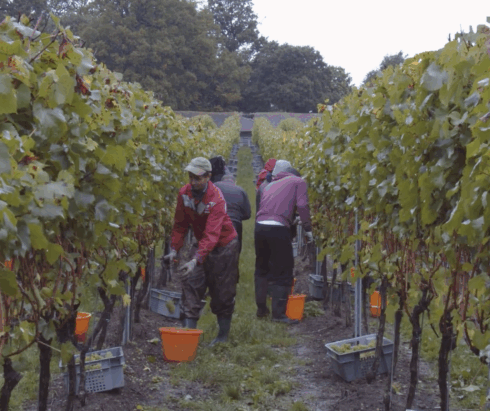
This steep-sided valley, which is also a World Heritage Site today, is a panorama of vertiginous terracing interspersed with odd stands of olives or pines.
Enjoy the famous vineyards on a gentle boat ride or drive upriver with a stay of two or three nights in Porto.
You must spend at least one night in Portugal’s most luxurious resort, the Six Senses Douro. This hotel just celebrated its 10th birthday.
Thankfully, there are a large number of historic bodegas and farmhouses – known as quintas – you can stay at that are rather cheaper than the €1,500 base rate for a room at Six Senses.
Many of these are known brands and offer wine samplings as well.
Top value is Quinta da Salada, where the owner, Rui, a member of the Douro tourist board, not only knows every nook & cranny of the region, but also makes his own wine.
Vintage House Hotel is located in Pinhao and it’s sister, Porto’s Yeatman. They are both owned by Taylor’s. Taylor’s was founded in 1692.
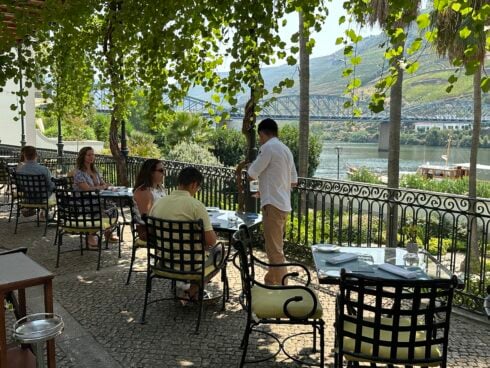
The restaurant Rabelo is a great place to enjoy a meal, especially with the bridge designed by Gustave Eiffel in the 19th century and the vines behind it.
The Parisian engineer, who designed the famous railway bridge in Porto, lived in Barcenas nearby in the 1870s. Maybe he preferred sweeter wines in Porto to Sauternes at home.
Under a shady pergola, we whiled away lunchtime watching the distinctive Chinese junk-shaped ‘rabelo’ boats bob up and down the rolling river ferrying as many tourists today as they once transported wine barrels.
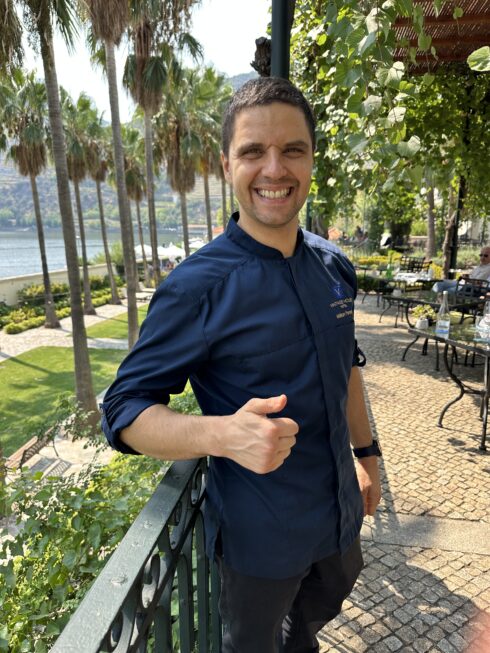
Rabelo, which means “boats”, is one of the best restaurants to watch. Milton Ferreira, the local boy who cooks Harry Potter style magic, is the chef to watch.
Pinhao has not much going on, but you can stroll along the river bank, sit down and watch life go by.
The drive between this and Peso da Regua has been described as “extraordinary”. It’s a stunning stretch of river, which the National Geographic recommends driving through and CNN recently described as perhaps the ‘world’s most beautiful wine region’.
We enjoyed picking out the names and famous Port Houses that lined the road. Sandeman and Croft were amongst them.
Douro is a region that runs roughly along the river. It is 215 km long and navigable in Portugal. Three key wine regions run alongside it (Baixo Corgo Cima Corgo Douro Superior).
It is not just the sparkling minerals that make the soils unique, but the fact that they retain heat throughout the day during summer.
It is ideal for wine-growing, especially in the Superior Corgo area that rises to an altitude of up to 900m.
The amount of grapes grown in this region is particularly impressive. There are more than 100 varieties and most bottles contain a mixture of several, with some bottles containing as many 20 varieties.
Apart from the WOW Museum, Rui gave us a fascinating presentation on the area at Quinta da Salada. It is a 10-hectare vineyard where rows and rows are vines.
The simple house, which has only six rooms, was purchased by his wife’s family in 1842. At night you can enjoy the wine and breakfast on the terrace while watching the beautiful sunset.
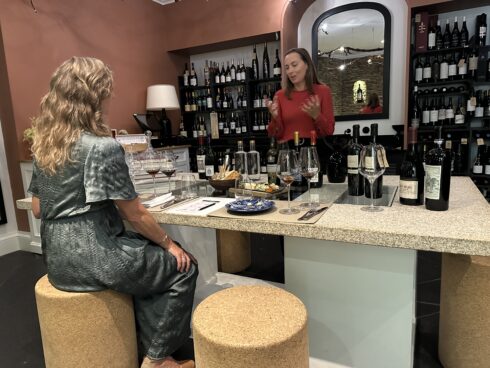
If you’re looking for something more special, and want to spend an hour that you will never forget, then you should arrange a tasting of wine with Elisabeth Fernandes. She is the Wine Director at the Yeatman, which is located downriver, in Porto.
She is responsible for the largest collection of Portuguese wines in the entire world. This includes 1,400 references, and more than 30,000 bottles.
Set up as a ‘wine hotel’ this is fitting and insist she gives you a tour, where you will likely see around 10% of the wines that are drunk on a weekly basis.
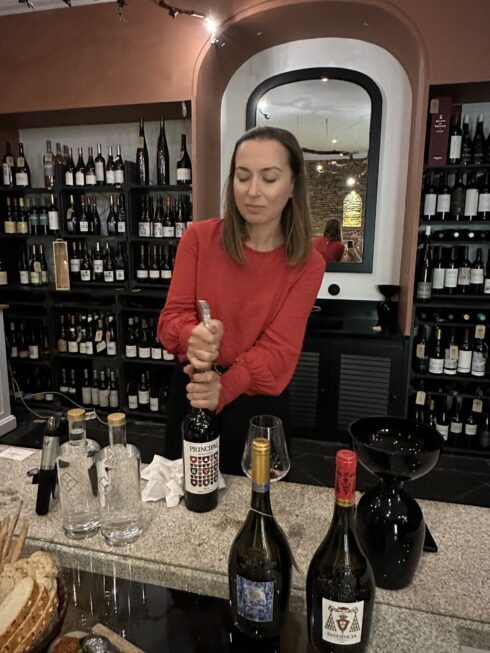
She told me, “Our aim is to promote and conserve our local wines. 99% of our references come from Portugal.”
They have a total of 30 wine partners and many of them host a string of events, most with food throughout the year, including sunset parties and an exciting Christmas wine experience on December 6 & 7.
Elisabeth, who spent a year at the Court of Master Sommeliers in Liverpool and studied vintages and blends there, has an incredibly sharp understanding of them.
“We open about 90,000 bottles here a year, which is an incredible number, and we have always dozens of wine by the glass,” continues she.
Together with British visionary Adrian Bridge who joined the company as a new employee in 1994, and married the daughter owner, the two realised that they had to go beyond tradition.
The hotel and nearby WOW museum have helped to demystify the port wine, and create new lighter drinks that young people and teens can enjoy.
WOW was a hotel that opened in 2010 and few thought it would be successful.
Since arriving in Aveiro from Ryanair and Easyjet, the hotel’s restaurant has received two Michelin stars. Ricardo Costa has been one of the most famous chefs of the country for the past 10 years.
Each of the 109 guest rooms has been sponsored, designed and curated locally by wine producers, ensuring that each room is unique.
It was a special moment for me to taste a wine that was produced in the Bairrada DO, whose extraordinary ageing process and marketing has recently made it renowned.
The three-varietal Principal was first blended by Pascal Chattonet, a celebrated French oenologist (most known for his work on Bordeaux, such as Latour).
After an incredible 13 years, a new wine combining Cabernet Sauvignon with Merlot and Touriga has just been released.
Elisabeth says, “It is a big success with a fantastic ageing potential.” When we recently tasted the 2013 against Chateau Latour in a blind tasting, the Principal was the winner. It will be legendary.”
Opened by Elisabeth for her boss to try earlier that day there was still three quarters left by my estimation… more than enough to take for dinner at the Yeatman’s second restaurant The Orangerie that night. Elisabeth shook her head. “Yes, of course,” she said. But let me cork the bottle now and store it somewhere cool.
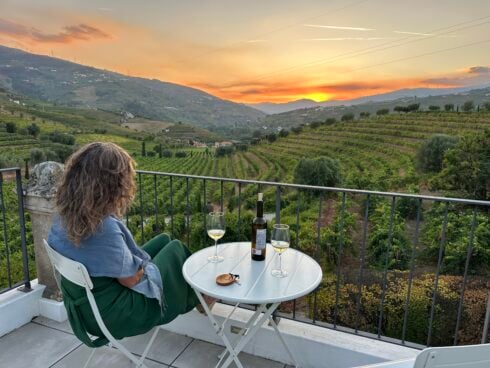
It was a sight to behold, as Eiffel’s famous Bridge lit up before us. This wine is not from the Douro, and it’s not sweet. But, hey, who cares?
It was a great night. I had one of the best crème brulees that I have ever eaten, and it was washed down with the 2007 Tawny. Sweet dreams.
Where to Eat
Rabelo restaurant, Pinhao
HE developed his culinary skills in New York, Brazil, Thailand and other famous places such as the San Sebastian restaurant Arzak with three Michelin stars.
Milton Ferreira says that now he has 34 sous-chefs under him. He also mentions his father who is an Indian chef, but spent many years working in Switzerland.
“I’m a spice addict and I love adding new twists to traditional Portuguese recipes,” he says.
A true rising star his menu is unusually heavy on vegetables, with dishes like ‘different interpretations of beetroot’ which sent a shiver up my spine, hating the rich red root.
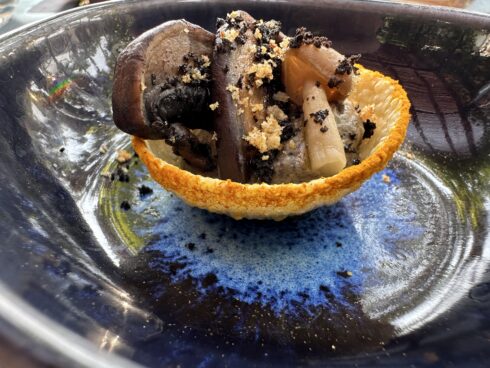
I was however prepared to give his ‘Cauliflower in textures’ a whirl and it turned out to be a great mix of dishes, one in chick peas, olive oil and herbs that bowled me over.
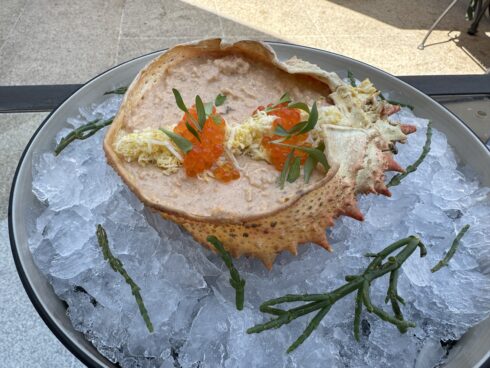
His bacalao fish starter was as pretty as it could be and the best you’ll find anywhere on the Iberian Peninsula.
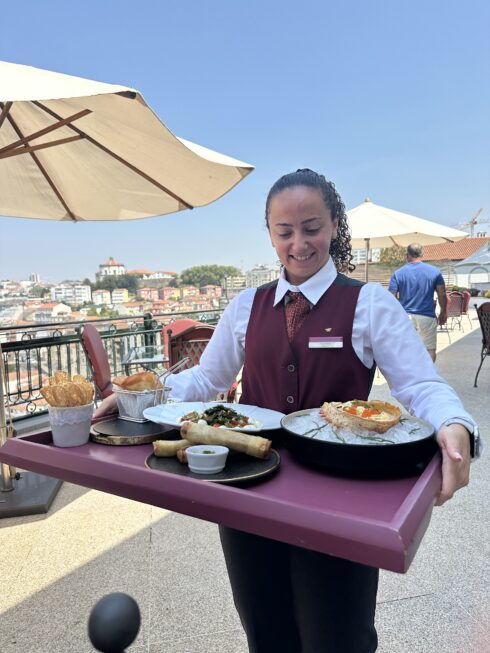
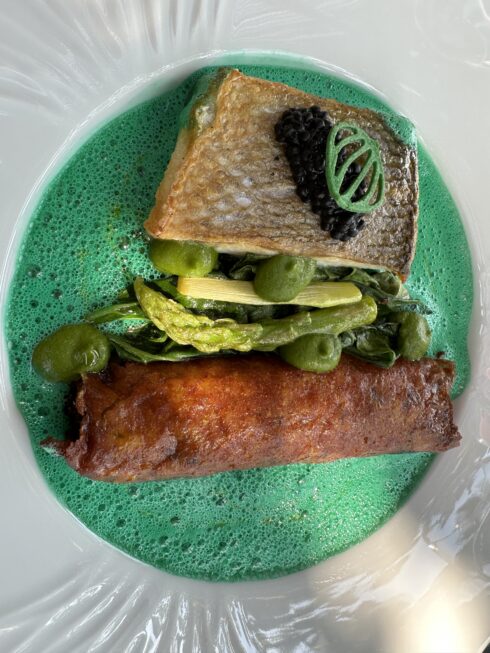
A real textures expert, his presentation was second to none, and our mains arrived in the most stunning colours: A Seabass topped with caviar in a vibrant green seaweed foam, asparagus with chard on top, and an unusual stuffed cannelloni made with saffron and Parmesan cheese from Azores. Joyous.
And then the ‘Bisaro’ pork cheek served in port wine with craftily created potato gratin, served on fava bean base was a major standout dish. Even the accompanying puree of beetroot, asparagus and fava beans was delicious.
The wine was a big help, especially the superb Pinot Noir Bella Elegance.
Castas y Pratos, Peso da Regua
This charming spot sits in a railway siding by the main train station – seductive lighting, great planting and right by the line. A true wine joint there are 700 references, most from the area…plus a good simple, but delicious menu.
Douro history
It was on September 10, 1756, that one of Portugal ‘s key historical figures, the Marques de Pombal, set up the so-called Companhia Geral da Agricultura das Vinhos do Alto Douro.
Later renamed as the Real Companhia Velha – or Royal Oporto – it was blessed by the Portuguese royal family, but was run with an iron fist by the marques himself.
Its main goal was to ‘uphold the reputation’ of the Porto wines, and it crucially set a fixed price for the growers and shippers who worked in the trade.
It wanted to create a high price but not one that was extortionate, and it created a monopoly within the wine industry. This put Porto wines in a very prominent position on the global stage.
Where to stay
The Yeatman Porto
This amazing wine hotel has the largest collection of Portuguese wines and the most beautiful views of Porto. www.the-yeatman-hotel.com
Vintage House Hotel, Pinhao
This historical gem is located in the Douro Region, right next to the river. www.vintagehousehotel.com
Quinta da Salada, Peso da Regua
This vineyard is a budget-friendly option located in the heart of Unesco’s protected Douro valley. The six rooms are decent and the breakfast is fantastic. Each guest will receive a free bottle of wine. Visit www.quintadasalada.com
Six Senses, Peso da Regua
A stay at Portugal’s most luxurious hotel is the ultimate luxury experience if money is not an option. www.sixsenses.com
The Olive Press Travel News is available here.

Discover Tailor-Made Tours
Simply Holiday Bookings offers a wide range of personalized vacation experiences.