Costa News Spain Breaking News | English News in Spain.

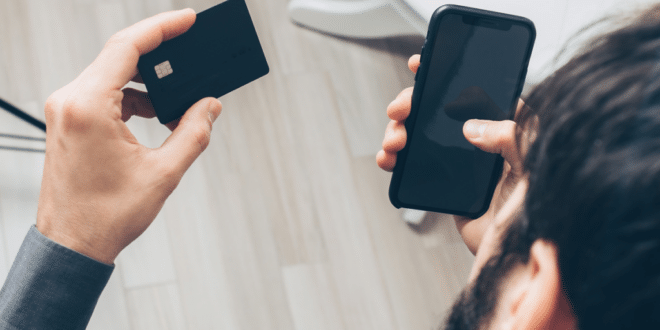
A single urgent call is enough to cause fear and urgency. Credit: Mikhail Nilov / Pexels
A bank customer in Alicante lost €30,000 after receiving a warning about a supposed transfer and calling the number provided. The victim, according to police, was tricked into providing online banking access codes.
How one bank alert can turn into a €30,000 transfer
A 19-year-old has been arrested in Alicante after a bank customer was allegedly defrauded of €30,000 by someone posing as a bank manager.
According to Policía Nacional, the victim first received a notification appearing to warn of a €15,000 transfer from their account. The message contained a number that the customer dialed after becoming worried.
A person who claimed to be from the victim’s own bank called and said that an irregular transfer was detected. Access codes were required to fix the problem. The victim, believing that the call was to protect their money and give them the information they needed, gave the information.
After the call ended, the customer checked the account and saw a €30,000 transfer had been made to an unknown bank account. The victim then reported this alleged fraud.
Investigators tracked the account which received the money, and identified a man aged 19 who was arrested later on suspicion of fraud. The case was sent to the Alicante investigating courts on duty.
Fake bank calls can make you feel safer
Vishing is a type of voice-based scam in which criminals pretend to be trusted organisations over the phone.
Many people are not at risk from a poorly written message or a link that is obviously suspect. The moment of panic is what can be dangerous. Even the most careful of customers may feel pressured to act when they are warned about a large transaction.
Spain’s National Cybersecurity Institute – INCIBE (Instituto Nacional de Ciberseguridad), has warned that vishing calls Many rely on a false sense of urgency, official-sounding words and the appearance that they are helping the victim to prevent a loss.
This type of scam is very effective. Callers do not always demand money. The victim may be asked to confirm codes or authorise security steps, install an application, or give access details in order to “protect the account”.
The conversation should be stopped by codes, passwords, and urgent transfers
In a situation such as this, the safest rule is to terminate the call when someone calls and asks for passwords, card details in full, SMS codes or approvals for apps.
Banks, cybersecurity groups and other institutions warn their customers to not share access information over the phone with anyone who appears to be familiar with personal information or who claims the account may already be at risk.
A number of Spanish banks warn that fraudsters can combine SMS messages with calls to create a convincing contact. First, a fake text message may appear. Then, a phone call will be made by someone pretending that they are a bank employee. Sometimes, the sender or number may seem familiar.
It is important that customers do not enter phone numbers in suspicious emails. It is safer to use the official bank app, the official bank website or the number on the back of your bank card.
Spain’s antiscam laws are stricter, but false alerts can still land
Spain continues to tighten up its controls against fraudulent phone calls and messages.
Since March 2025, the Government’s anti scam plan has led telecom operators to block millions suspicious SMS messages and calls. The Government’s anti-scam plan has led telecom operators to block millions of suspicious calls and SMS messages since March 2025.
Another key measure is Spain’s new SMS alias register, managed by the National Markets and Competition Commission, known as the CNMC (Comisión Nacional de los Mercados y la Competencia). The system verifies names and brands appearing as SMS senders such as banks or delivery companies.
On September 15, 2026, the full blocking of all messages with unregistered aliases will be fully implemented. Personal caution is essential until then as fake or convincing messages in the style of a bank may still reach your phone.
What to Do in the First Minutes After a Suspicious Bank Call
Anyone who shared their banking information during a suspicious phone call should immediately contact their bank through official channels. It may be necessary to freeze the account, cancel cards, change passwords and check recent transfers.
INCIBE advises victims Keep all the evidence you can, such as screenshots, messages, emails, phone numbers and transaction information. Report the incident to police as well, particularly if money has been transferred.
The Alicante case serves as a reminder to residents, tourists, and foreign homeowners of Spain that unfamiliar banking procedures and language barriers can increase risk. When a caller uses urgent financial terms, it can be difficult to stop and think clearly.
Practically, you can treat urgency like a warning signal. Check if the problem is real by checking through an app, branch, website, or customer service number. The scammer will need you to stay on line.