Costa News Spain Breaking News | English News in Spain.

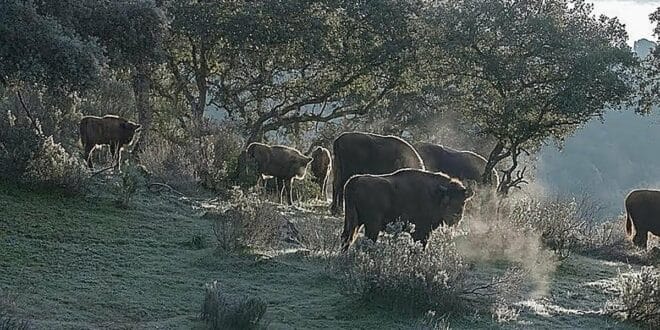
Forget African safaris: discover Andalucía’s hidden corner where wild bison roam
Cecilia Gallo
Jaén
Monday, April 20, 2026 at 16:58 Updated 17:19h.
The Sierra de Andújar Natural Park, nestled in the northwest of Jaén province, spans 74,774 hectares and is celebrated for its immense biodiversity. The Iberian Lynx, wolf and Spanish imperial Eagle are all protected in this rugged terrain. On a 1,000 hectare estate called El Encinarejo, which borders the park, however, a new hero has emerged. It is the European Bison.
This estate has been hosting a herd of protected species since 2020. The original arrival was from Poland. Although these giants have not been included in the Spanish National Register, they are protected by EU standards. Bison, despite their tough nature, require plenty of space to roam around and express their natural behaviours. El Encinarejo is the perfect place for them to find what they are looking for.
Jessica Hohne says that the animals’ adaptation to their new environment has been remarkable. She owns this farm along with her husband Alex. This success is attributed to careful planning, constant monitoring and a close collaboration with experts like herd biologist Yvonne Kemp, as well as various universities around the world.
Natural rhythm
Since the herd arrived, eight calves have been conceived. Hohne says that the herd’s ability to adjust its reproductive schedule to the Mediterranean climate is one of the most interesting developments.
Related Story
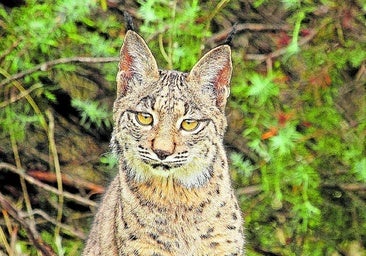
This year, the Lynx Conservation Programme achieved its best-ever results in Spain and Portugal
The diet of a male adult is grasses and trees. This is a very important ecological function. By clearing brush, and “opening up”, the forest floor they act as engineers.
Nature’s Firefighters
El Encinarejo, where European bison roam freely, has become a model of “rewilding” and a powerful tool in disaster prevention. After the wildfires that ravaged the region in 2024, researchers and owners noticed how bison-managed land acted like a natural firebreak.
-
Fuel reduction: Bison, also known as “heavy duty” grazers (meaning they eat a lot of woody undergrowth and dry brush), are a great way to reduce the amount of fuel that is used in forest fires.
-
Bison create mosaic landscapes by trampling through dense vegetation to make clearings. This breaks the continuity of forest canopy. This helps to prevent “crownfires” from spreading quickly from tree-to-tree.
-
Regrowth is encouraged: Their dung contains high levels of nutrients that can be used to fertilise fire-resistant plants and grasses, which are more hydrated than the woody, brittle scrub they replace.
-
Soil health. Their heavy hoofprints leave small depressions on the ground that can catch rainwater or seeds and help the soil regenerate after a fire.
“We noticed that the areas frequently visited by bison were significantly less fuel-accumulated after the fire in 2024. This, along with the incredible work of the firefighters may have contributed to the limited spread of the fire,” says Jessica Hohne.
Hohnes is also responsible for ensuring that the bison live in harmony with the local wildlife. So far, results are positive.
“Personal, I’ve found it fascinating to see the impact on smaller species, such as birds nesting with their own fur, dung beetles flourishing, and subtle changes to the vegetation. Hohne says conservation is not only about big animals. It’s also about the ecosystem.
From South Africa to Jaén
Alex Hohnes and his family, originally from South Africa scoured all over the world for a place they could settle in before falling in love with El Encinarejo.
Jessica explains: “Conservation and land management are our roots. We also have nature-based tourism.” “South Africa is a country with a remarkable conservation culture. Wildlife management models have been refined for generations.”
Jessica’s father had the original idea. He suggested the species while watching the mist of the morning settle over the valley. The plan was born to bring the European bison back, a species that had been nearly extinct.
She says, “We wanted a lynx to complement our already successful lynx farm project. This was made possible through the tireless efforts of our friends from CBD Habitat.”
Zoom
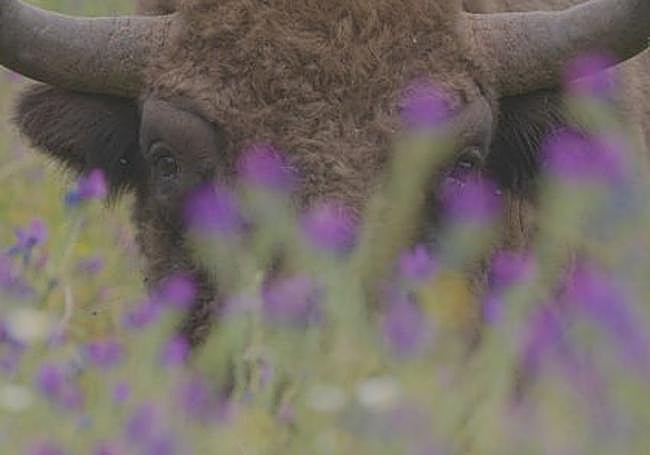
Bison males can weigh as much as 1,000 kilos.
Daniel Buron
The European Bison Conservation Center was eventually their partner. Its founder, the late Fernando Morán, was instrumental in the project’s birth. Jessica says his passion for the species was contagious. His guidance also helped shape the estate’s commitment to long-term conservation.
El Encinarejo now offers guided “safaris” but access is strictly restricted to protect the welfare of animals. These educational tours are only available by appointment, and they are restricted to small groups. For those looking to catch a glimpse of these giants in the heart of Jaén, the estate’s website is set to relaunch this month with updated information.