Costa News Spain Breaking News | English News in Spain.

Spain warns its residents against fake Guardia Civil email phishing
Credit : PeopleImages, Shutterstock
In Spain, a new email phishing scam has been spreading. It is popular for one reason only: the Guardia Civil name is used to scare people and get them to respond.
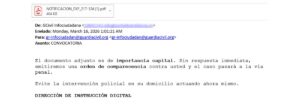
National Cybersecurity Institute in Spain INCIBEFraudsters send messages that appear to be from Europol and the Guardia Civil. The emails say the recipient is involved in criminal activity or being investigated, and then pressure them to respond, open documents, or share private information.
Anyone who receives legal or police language in an email can react immediately. Initially, many people panic and later question. This is why scams like this one can be so effective.
These emails seem believable
These scammers know something very important. The majority of victims are not fooled by carelessness. Most victims are duped because they receive the message at the right time, and it looks real enough.
Several emails have reportedly been found to include titles with official-sounding words, and PDF files attached. Other emails include names that are linked to Europol or Cybercrime Units to increase the pressure.
It can appear genuine at first glance.
It is usually all the scammer requires. The conversation is already underway if the recipient opens the attachment, or responds in fear.
People still expect scams that are poorly written or obvious. It’s not always true. Some are polished and convincing enough to convince even the most cautious users.
The real trick is not technology, but fear
This scam is not a reward like phony parcel messages or refund schemes. It is a threat.
Emails may indicate that your phone is involved in cybercrime or that your connection has illegal content, or that you must take urgent action to avoid prosecution.
The wording used is meant to be stressful.
People rush when they feel threatened or accused. People tend to click too quickly, respond too fast or reveal details that they normally would not.
It’s less about hacking an electronic device, and more about pressing the right emotional buttons.
It is for this reason that cybersecurity experts say the weakest link is not the computer. The moment when a person feels under pressure is what makes the difference.
Credit : INCIBE
What the real authorities do
You would not start with random emails sent from unknown addresses if you had a real legal problem.
Contact from public or police authorities is done in accordance with established procedures. The contact does not come through a generic email asking for personal details, urgency payment or secrecy.
Just the thought of it should be enough to make anyone pause.
Do not click on any links or call the numbers in a message that claims to be from Guardia Civil. Check on official websites or public channels that you trust.
Scammers are trying to influence the path that you take. It is best to leave that path.
What to Do if one Arrives
Calmness is the best first reaction, not speed.
Do not respond immediately. Do not open any attachments, just because they appear formal. Sending passwords, card numbers or documents is not recommended.
Delete the message, or report it to official cybersecurity services.
You should move fast if you’ve already clicked on something or replied. Change your passwords, particularly email passwords. Contact your bank for any money or financial information.
You can save screenshots to use later when you are preparing a report.
Why people shouldn’t feel embarrassed
Many victims remain silent because they are embarrassed by their actions.
It is not acceptable.
They are designed by people who have studied human behavior. They know to use urgency, imitate authority and capture people in stressful or busy moments.
Anyone can be targeted, including teachers, business owners and retirees.
Being cautious does not mean being paranoid. Accepting that fraud is becoming more sophisticated is all it takes.
The easiest rule of thumb to remember
You should slow down your actions if an email is threatening and you feel the need for immediate action. Re-read it. Verify the sender. Verify the sender somewhere official.
The majority of fake messages crumble the minute they receive an extra second’s attention.
Spain’s most recent warning serves as a reminder that criminals do not always need to hack into your account. Sometimes they need you just to trust the wrong e-mail.