Costa News Spain Breaking News | English News in Spain.

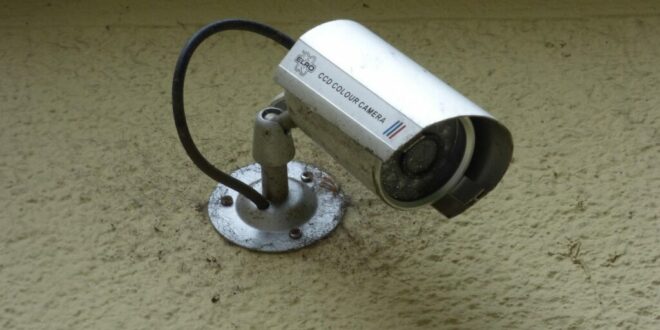
Security cameras in Spain. Credit: Tomasz_Mikolajczyk, Pixabay.
You can find out more about this by clicking here. Homeowners in Spain Install the best software for you Security cameras for your home Peace of mind is important, especially for Expats Second homes are available for purchase. holiday rental Property left vacant for long period of time.
Spanish law has strict limitations on the use of CCTV, and any violations can lead to fines. It is important to understand the rules prior to installing any surveillance system.
Is it legal to install home security cameras in Spain?
Yes. It is legal to install home security cameras in Spain on private property, as long they are exclusively used for security. They must also comply with the Data Protection Law. According to guidance from the Agencia Española de Protección de Datos (AEPD), private video surveillance must never infringe the privacy rights of others.
The AEPD does not require that homeowners register their domestic CCTV systems. They must instead comply with the data protection obligations under Spain’s Organic Law 3/2018 on data protection EU-wide Efforts to Reduce Poverty General Data Protection Regulation (GDPR).
Where security cameras can – and cannot – point in Spain
Spanish law distinguishes between the private and public spaces:
- You can only record your private property with cameras
- In general, it is illegal to film public streets or pavements as well as the homes of neighbours.
- If it’s necessary to capture only a part of an area, the angle should be restricted and justified.
The AEPD states cameras in private areas “cannot take images of public places unless they are indispensable for their intended surveillance purpose or cannot be avoided due to their location.”
In residential or apartment complexes, cameras owned by private individuals are not allowed to record common areas like corridors, car parks, or stairwells. Even partial or accident recording can result in penalties.
Shared buildings and urbanisations: cameras in use
In shared properties, the decision to install CCTV is not made by an individual. In Spain, the Horizontal Property Law requires that homeowners vote to approve installing surveillance in communal areas.
AEPD has taken repeated enforcement action against private cameras which capture shared areas with no consent. This is especially true for smart doorbells.
Ring Doorbells
Spanish law treats smart doorbells with cameras as surveillance systems. Devices like Ring, Eufy or Nest must:
- You can record only your own private entrance
- Do not film the doors of neighbours or public walkways
- If footage is stored, comply with GDPR obligations regarding data protection
- Display CCTV signage when required
Spanish authorities have fined home owners for installing doorbell cameras in hallways that were shared, even if the intention was to provide personal safety.
Data Protection and Storage Rules
Video footage that can identify individuals is classified as personal data. It creates a number of legal obligations.
- Use cameras for legitimate security purposes only
- Display visible CCTV signs with contact information
- Only the owner of recordings can access the recordings
- Secure online access using passwords
- After 30 days you can delete the footage, unless it is needed for an investigation by police.
Individuals who are recorded on camera have the right to access or delete their images.
Filming cleaners, contractors or domestic staff
You can record the people who work on your property but only under certain conditions. It is important to inform workers in advance and obtain written consent. Cameras should never be installed in restrooms, changing rooms, or rest areas. Monitoring must also be proportionate.
Villa vs apartment camera use in Spain
Example One:
Two outdoor cameras are installed on the front gate of a British expat’s detached villa. They also cover his private garden.
- The cameras only point at private land
- There is no public road or adjacent property recorded
- Signage for CCTV cameras is displayed
- The footage is password-protected, and it will be deleted 30 days after the upload.
The setup is legal as long as the cameras are used in proportion and according to data protection laws.
Example 2:
An expat who lives in an apartment building installs a smart camera on the front door.
- The shared hallway captured by the camera
- When entering or exiting, neighbours are visible
- The community has not approved the project.
This setup is probably illegal, even when used in good conscience. Spanish courts have repeatedly banned cameras in communal areas.
Spain’s Supreme Court reaffirmed its position on this issue, prohibiting intrusive doorbell and peephole cameras that capture shared space.
What are the penalties for using security cameras illegally in Spain?
AEPD may impose fines for non-compliance with CCTV rules. The GDPR has very high fines. However, the penalties for private homeowners are proportionate and can range from a few hundred euros to several thousand depending on the severity of the violation.
Other more serious cases may lead to an order to remove cameras or delete footage.
Many expats are unaware of the dangers of CCTV, especially in apartment buildings and when using smart doorbells. By knowing the rules for 2026, you can protect your property without worrying about neighbour disputes, fines, or legal action.
All Spanish Living articles are available.