Costa News Spain Breaking News | English News in Spain.

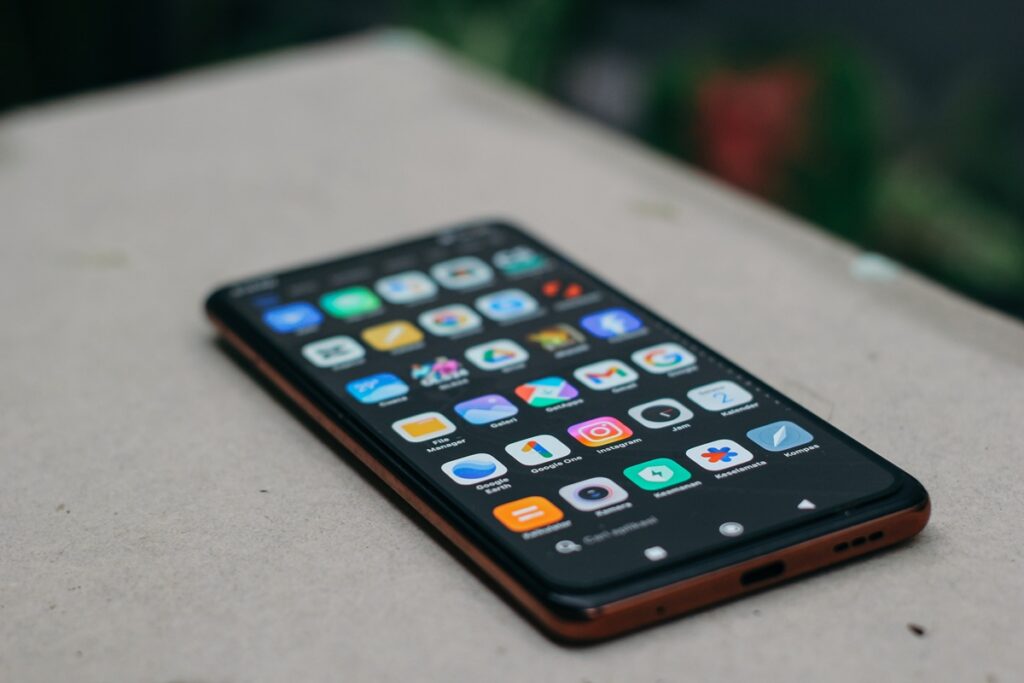
Android apps on a smartphone as Google prepares to end Instant Apps.
Credit : KARITING PICAH, Shutterstock
We all live through apps now. Weather, maps, WhatsApp, social media, mobile banking – you name it, it sits somewhere on our phone screen. Most of us are carrying around dozens of little icons without even thinking about it, grouped into folders or neatly stacked inside the app library. Apps are no longer a luxury of the smartphone world – they are the smartphone experience.
Which is why Google’s latest decision has slipped past many people unnoticed. This December, Android is quietly saying goodbye to one of its most original ideas: Instant Apps.
Google shuts down Android instant Apps this December
The change is now official. From December onwards, Google will no longer allow Instant Apps to be published on Google Play, and users will no longer be able to access them at all – whether through search results, web links, emails or QR codes.
The decision didn’t arrive out of nowhere. Back in June, Google confirmed the move in comments reported by The Verge. Company spokesperson Nia Carter explained that Instant Apps had simply failed to catch on in a big way.
According to Google, use and interaction remained too low to justify continuing the feature, while developers had turned their attention to more effective discovery tools, such as AI-powered recommendations and faster, more streamlined app installs.
In short, Instant Apps never reached the popularity Google had hoped for — and in the fast-moving tech world, that usually means one thing: it’s time to move on.
What Were instant Apps and why did people care?
Instant Apps first appeared in 2017 and were quickly described as one of Android’s smartest inventions. The basic idea was simple: you could open and try an app without downloading it fully.
Instead of committing storage space or waiting for installations, users could tap a link — from Google search results, a website, an email or even a QR code — and instantly open a lightweight version of the app. It allowed people to test games, browse features or explore new tools before deciding whether they were worth keeping permanently on their phone.
At the time, this felt revolutionary. Storage limits were still tight on many devices, mobile data plans weren’t as generous, and slow downloads were common frustrations. Instant Apps promised to remove those barriers.
But in reality, many users barely noticed the feature existed. Others preferred the simplicity of just downloading the full version of an app straight away – especially as phones gained more space and internet speeds improved. Over time, the “try-before-you-download” concept quietly lost its appeal.
Why Google has pulled the plug
Technology has moved on quickly since Instant Apps were launched. Artificial intelligence now plays a growing role in how people discover apps, with personalised recommendations pushing content directly to users. At the same time, app installations have become faster and easier than ever, removing much of the friction Instant Apps were designed to solve.
From a developer’s point of view, maintaining special demo versions of apps simply wasn’t worth the effort when other tools were delivering better results. Google appeared to reach the same conclusion.
Add to that the breakneck pace of innovation, and Instant Apps became one more idea overtaken by newer priorities. Even the most clever concepts don’t survive unless people genuinely use them – and Instant Apps never managed to move from niche curiosity into everyday necessity.
For most Android users, the shutdown will barely be noticeable. There’s nothing to delete or update. The feature will simply stop being available. Life continues much as before – tap, download, install, repeat.
Still, it marks the quiet end of something that was once billed as a game-changer for the Android ecosystem. A reminder that in tech, even the brightest ideas come and go quickly when real-world habits don’t follow the hype.