Costa News Spain Breaking News | English News in Spain.

World AIDS Day is a time to challenge HIV stigma in Spain.
Photo Credit: Deon Schwarz via Unsplash
A ‘SILENT’ disease with which an estimated 145,000 people live in Spain: Monday, December 1 is World AIDS Day, a day of international observance to reflect on how far Spain has come in terms of fighting the spread of sexually transmitted diseases, including HIV and AIDS, and debunk common misconceptions about these diseases.
What is HIV and AIDS
Human immunodeficiency, or HIV, affects the immune systems. AIDS or acquired immune deficiency is a disease that develops when HIV infection is untreated and causes severe immune system damage.
Spain has one the highest rates in Europe of HIV and AIDS infections
Globally, an estimated 40,8 million people are living with HIV. In Spain, around 20 percent of people do not know they have HIV. Less than a third are being treated for HIV. Men who have had sex only with men account for 80 percent of new HIV diagnoses in Spain. However, the original HIV epidemic in Spain began in 1985, when injection drug users were the main cause.
HIV is no longer a life-threatening disease. However, it remains a subject of common myths, fears, or questions. Spain has one of Europe’s highest rates of HIV/AIDS infection. It is important to educate the public about the symptoms and causes of the disease. They should also be tested regularly.
HIV and AIDS: Common Myths
-
HIV can be transmitted by kissing, touching or being in close proximity to an infected individual
HIV cannot be spread by touch, saliva, sweat or urine. Only infected semen, breastmilk, blood or vaginal fluid can transmit HIV. It is not possible to spread the disease by using a shared toilet seat or eating utensils in a gym.
2. “Mosquitoes are known to spread disease”
The disease is not spread by mosquitoes, either. This applies to areas where there are both a lot of mosquitoes as well as a high prevalence of HIV. This is due to the fact that the virus does not survive for very long inside the mosquitoes and the insects don’t inject the infected blood of previous victims into new individuals.
3. “HIV/AIDS, a death penalty”
A second common misconception is that HIV/AIDS can be fatal. Early in the epidemic’s history, AIDS caused a high death rate. Fortunately, today’s treatments can help people diagnosed with the diseases live longer. They may even be able to live as long as if they never contracted them. It’s crucial that HIV is detected as early as possible and that treatment begins immediately.
4. “HIV/AIDS can’t be transmitted between straight couples”
The disease can also be spread via heterosexual contact, even though the majority of new cases in Spain come from men who have had sex with other men. Many people believe they know whether their partner has HIV without testing. But HIV can stay asymptomatic within the body for several years. Testing is the only way to know if someone has HIV/AIDS.
5. “People with HIV/AIDS are not allowed to have sex”
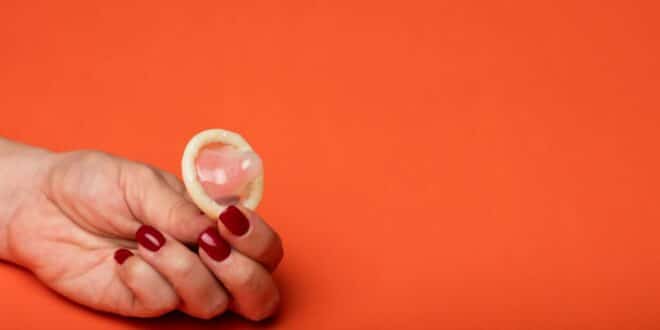
With treatment, HIV-positive people can also lower the viral load in their blood until it is undetectable in blood tests. This is called an undetectable virus load. The virus cannot be sexually transmitted if the viral load is undetectable. The person receiving treatment must take their medication as prescribed and should practice safe sex in order to prevent the virus from spreading. Condoms are a good way to stop the spread of HIV and other sexually transmitted infections.
Spain: Fighting stigma against HIV and AIDS while remaining informed
Despite Spain’s great progress towards HIV and AIDS prevention and treatment, it is still important for the public to not give in to the fear and stigma surrounding them. They should instead become aware of the spreading of the disease, and take steps to prevent it. This includes practicing safe sex and getting tested for HIV on a regular basis (every time you sleep with a new person) as well as taking the proper medication if they are diagnosed. Take a few minutes to educate yourself on World AIDS Day and the disease that affects 145,000 people across Spain.
More news from Spain You can read more about it here.
Health and Beauty News: Read the latest news on Health and Beauty here.