Costa News Spain Breaking News | English News in Spain.

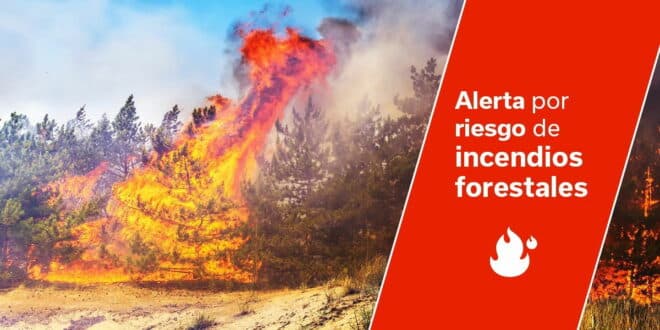
Heatwave grips Canary Islands, prompting fire alert
Credit : X – 112 Canarias
@112canarias
Canary Islands seem to have forgotten autumn this year. In the middle of November, locals are swapping jackets for T-shirts as temperatures soar well above 30°C, prompting the regional government to issue a heat and fire risk pre-alert across five islands.
Temperatures on the rise in five islands
Following reports from the media, the Directorate General of Emergencies confirmed that this alert is valid for Tenerife and Gran Canaria. La Palma, La Gomera, El Hierro and La Palma are also included. AEMETThe Spanish State Meteorological Agency.
Officials described the conditions as “unusual for this time of year”, with some mid-altitude areas expected to hit or even exceed 34°C. The warning also comes with low humidity levels and southerly winds carrying a faint layer of calima – the dry, dusty air drifting in from the Sahara Desert.
A combination of high temperatures, dry winds and dense vegetation has led to concerns about the risk of forest fires, especially in places with dense vegetation. Authorities have urged people to avoid all activities that may spark a fire and stay alert.
La Palma wakes up to 30°C – before sunrise
La Palma’s heat was evident from the start. Temperatures topped 30°C before dawn on Monday, marking the start of what meteorologists say could be several unusually hot days.
The regional emergency plan for forest fires, INFOCA, is now active, with firefighting teams on standby. Residents and tourists have been warned to stay hydrated and avoid burning garbage or barbecues. They are also advised to be careful when hiking through forests or driving in them.
“Keeping everyone safe in an unstable environment” is the priority of local officials.
The warning doesn’t mean fires are imminent – but the dry winds and intense heat create the perfect environment for them to spread quickly if one starts.
‘More like summer than November’
Meteorologists report that temperatures on the islands are more like those of mid-November than July. This pattern is increasingly associated with changing climate trends in Southern Europe.
AEMET spokesperson stated that the warm spell will last for several days with only a small drop in temperatures expected later in the week. They explained that “it’s not unusual but it is uncommon.” What stands out about this storm is its intensity and the fact that it started so early in the month.
The message from the government to tourists and locals remains simple:
Avoid lighting fires and staying out of direct sun during the hot hours.