Costa News Spain Breaking News | English News in Spain.


There have been many accounts of how the dream of retiring to Spain can quickly become a nightmare when you come into contact with Spain’s notorious Hacienda tax authority. Few experiences are as traumatic as that of Michelle Span van Dorp.
This Fall, Span van Dorp will release her memoir Table Number 4 – Seven Years of Stress, Strife, and Strife at HaciendaHer family’s battle against Spain’s Tax Authority was harrowing. A catastrophic administrative mistake had drained her finances and caused her husband to suffer a near-fatal cardiac arrest.
The book, described by Span van Dorp as both personal therapy, and a public warning, tells of a single administrative mistake that transformed the family’s retirement dream to Andalucia in 2017 into a 7-year ordeal which left permanent physical, and psychological, scars.
“I wanted to share my story and warn others that this was not an isolated incident,” Span van Dorp writes in the book’s preface. “Spain with all its beauty and difficulties is our home. What happened to us shouldn’t happen to anyone else.
The nightmare began when a Hacienda official – whom Span-van Dorp refers to throughout the book as ‘Mr. Table Number 4′ after his permanent desk assignment – arrived at the family’s remote finca demanding back taxes. Spanish authorities began seizing money from their accounts despite meticulous documentation that proved they had paid all taxes legally in the Netherlands.
Hacienda misinterpreted Gerard’s allowance for military waiting (wachtgeldA Dutch pension is paid via an intermediary. Spanish officials classified this as private income that was subject to Spanish taxes, despite the fact Article 16 in the European Tax Treaty allowed civil servants choose their taxation.
The term “Term” is used to describe the following: wachtgeld Span-van Dorp writes that “the words could not be translated into Spanish cleanly.” They landed on indemnizaciónIt comes down to compensation for work. They treated it as a salary. The logic of the Spanish dictionaries left little room for nuance.
The events that followed are reminiscent of a Kafka story: letters were sent to an address where the family had never lived, officials gave contradictory orders, costly translations did nothing and fines piled up for allegedly not responding to correspondence they had never received. Even Span-van Dorp’s savings from horsehair bracelets were wiped out by monthly account seizures, forcing the family’s son to step in financially. Property seizure was threatened for the family.
Stress proved to be devastating. Doctors attributed Gerard Span’s severe heart attack in 2018 that required two stents to the ongoing crisis. As the ordeal continued, Gerard Span would need additional stents. Michelle herself battled depression and sought psychological help, only to be told her situation was ‘normal – everyone has problems with Hacienda’.
Span-van Dorp spoke about her experience in a recent panel discussion hosted by the University of Sevilla. Robert Amsterdam, a lawyer from the Netherlands, spoke earlier in the day. He condemned Hacienda’s culture of fear and the treatment of taxpayers by the Spanish and foreign governments.
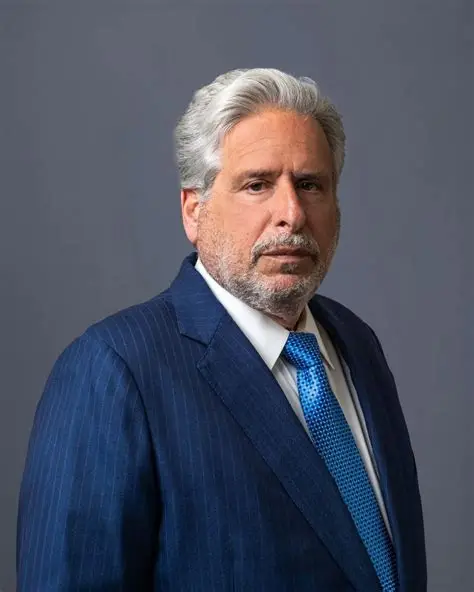
Amsterdam said in a statement that “we support Michelle in her quest for justice and hope her courage to speak out will inspire others to end the silence about Hacienda’s actions.” Olive Press. “Her case is an example of the types of psychological distress and suffering that can be caused by bureaucrats who are unaccountable to the public and act outside of the law.”
The new book reveals systemic issues within Spain’s tax collection system, including officials receiving commissions for identifying supposed tax evaders – creating perverse incentives to pursue innocent people. Span-van Dorp discovered her case paralleled that of businessman Agapito García Sánchez, who has fought Hacienda for over 25 years and paid more than €20 million yet still owes €16.9 million, according to filmmaker Alejo Moreno’s documentary Hechos Probados.
Most lawyers rejected the case, or demanded prohibitive costs. One prominent firm offered ‘peace’ for €20,000 – not vindication, just an end to harassment. Unable to afford this, Span-van Dorp fought back through official complaints, confrontations with officials, trips to Hacienda’s Madrid headquarters, and eventually, with attorney José Luis Delfín’s help, a court challenge.
Her lawyer made the case in a three-minute administrative hearing that all circumstances were identical for all tax years disputed. Five days later – remarkably fast for Spanish courts – the judge ruled entirely in their favour.
“The emotion overwhelmed me as rarely in my career,” writes Delfín in the book’s epilogue. “It was not just a legal triumph, but a personal victory as well.”
The trauma continues even though the family received the confiscated funds seven years later. Span van Dorp seeks compensation and connects with other victims.
Table Number 4, combines memoir with exposé, offering readers intimate glimpses of expatriate life in Andalucia – the festivals, culture, and the family’s passion for Argentine tango – against the backdrop of their bureaucratic nightmare. The book features contributions from attorney José Luis Delfín and references to broader investigations into Hacienda’s practices.
In her epilogue, Span-van Dorp states that “my fight against Hacienda has ended.” But now we are fighting on principle. It is our turn to strike back – determined and forcefully. This is far, far from over.”
The book is being published in many languages. Span van Dorp hopes that it will serve both as a warning to those who face similar injustices and an inspirational book for them.
Click here to read more Business & Finance News from The Olive Press.