Costa News Spain Breaking News | English News in Spain.

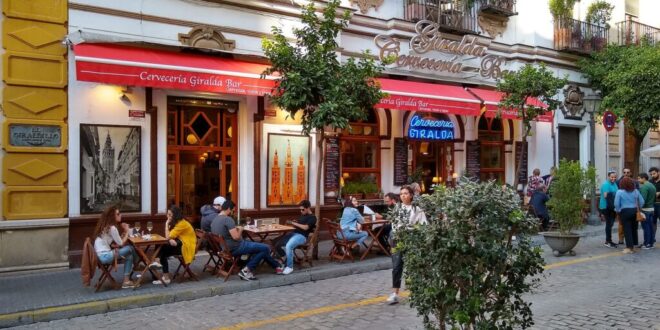
All of us have a friend that dreams about selling everything and moving to Spain. They dream of opening a bar on the beach, sipping cocktails.
Don’t misunderstand me, I think it is wonderful to dream big. Psychologists say that it is healthy. But every successful bar has a lot more than just luck. It takes a lot of work, knowledge and hard work. You can get hit hard by reality if you aren’t realistic and prepared.
It might seem like a great idea to open a bar in Spain, especially after you discover that Spain has one of the most bars per capita, with one bar for each 169 residents.
But the key to success is more than just enthusiasm and sunshine.
1. Have a solid plan — not all bars survive
There are many bars in Spain. Here’s the brutal fact: 6 of 10 bars close Most fail within five years. The owners of most fail because they have big plans but no real strategy.
Your rent or supplier bills won’t be covered by your enthusiasm. Rent, employee salaries, and inventory costs should all be included in your budget. All of this can eat up your entire profit — and you might even end up putting money into the business from your own pocket.
Make a realistic 12-month forecast before opening your doors.
2. Spain is a country that loves its regulations.
Spain and paperwork are synonymous; that’s how it works. You’ll also need more than a licence to open a pub.
You’ll also need fire safety measures, ventilation systems that are up to code, hygienic certifications and accessibility compliance for those with reduced mobility.
A municipal licence for bars is also required. Before you can apply, you will need to submit a complete technical project certifying that your bar meets all the requirements. You’ll also need to submit a plan for fire safety, a plan for noise insulation, your tax ID, and proof that you have paid the licensing fees. Only after you pass the inspection will your licence be issued.
A construction license is also required if you intend to renovate. If you plan to build a terrace on public property, you’ll need a separate permit.
It’s not necessary to get lost in the maze of paperwork. Hire a local to make it easier. Take a look at the following: (Business Administrator) or an architect who has experience in hospitality.
3. Your bar’s location can make or breaks your business
What is better, a small coastal town or a village? City centre or residential neighborhood? Where you open your bar matters — a lot.
Locations on the coast, or in tourist hot spots like Barcelona, or Valencia, can be more lucrative due to high foot traffic. However, they come with higher rental costs and fierce competition. It is also possible that you will not develop a loyal customer base, as your clients may change each week.
Creative Commons
A quieter area or a smaller town will give you the opportunity to gain regular customers. Your operating costs may be lower because the local spending power is lower.
Do your research. There is no secret to success. You can learn the rhythm by visiting at different times of day and different days.
4. Locals are loyal — and not easily impressed
Most people don’t know this: Spanish people love lifelong bars. In Andalusia, people often go to the same bars where their grandfathers had their morning coffee or Friday evening beer.
It’s not realistic to expect locals to rush into your new bar just because you’re the first. Once you’ve won them over, they will be loyal.
Your best weapon is to provide great service and good tapas at fair prices. It may be easier to start by catering to foreigners. But the key to success in the long run is to connect with locals. The majority of people who live here are Spanish.
5. You should know what you need to buy from the very beginning.
Depending on the space, every bar has some must-haves: a bar counter, kitchen equipment (especially if you’re serving tapas — which you should), a POS system, refrigerators, furniture, alarm or camera systems, and probably a TV or sound system.
You should inspect the entire place before you sign a lease if it’s already furnished. Do not assume everything will work.
Equipment? Yes. Fancy decor? No. Spaniards aren’t necessarily impressed by futuristic interiors — as long as you offer good quality, they’re happy. It’s not worth over-investing on that part.
6. Be ready for any weather changes.
This is often forgotten. You can expect to see a boom in summer and a slump in winter if you open a bar near a beach or tourist destination. Small beach towns can see a sharp drop in business as soon as the summer season is over.
Be prepared. Consider creating events, brunches or activities to attract locals in low season. You can’t just rely on tourists to keep the doors open.
It’s not a dream to open a bar in Spain. There’s more to it than sunny beaches and good vibes. In Spain, bars aren’t just places for drinking, they are a part of the community.