Costa News Spain Breaking News | English News in Spain.

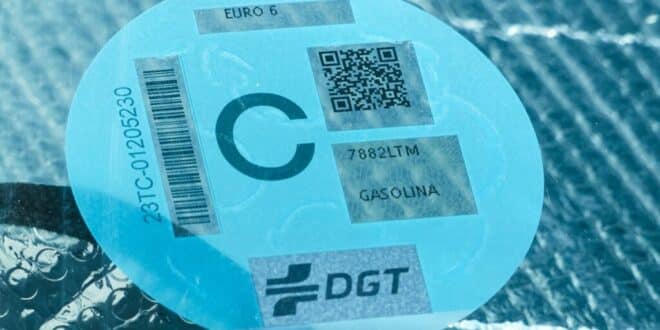
In 2026, the DGT eco-sticker system in Spain is set to change.
Credit: Capturing images, Shutterstock
You will recognize these little stickers from your windscreen if you are a Spanish driver. These stickers may seem simple, but their importance is increasing every year.
From 2026, the Dirección General de Tráfico (DGT) is shaking up the way cars are classified, and that means some drivers could suddenly find their vehicles pushed into a different environmental category.
It’s not just bureaucracy. The sticker on your windscreen may determine whether you are able to drive into cities such as Madrid, Barcelona, or Valencia.
What is new with the DGT label?
The system of four labels — Zero Emissions, ECO, C and B – will stay, but the criteria are being redefined. DGT claims that the new rules provide a better picture of what pollution each vehicle produces.
- Zero Emissions (-0): This category is stricter. Only 100% electric cars, plug-in hybrids and hydrogen-powered vehicles capable of a minimum 90km range on electric power will be eligible.
- ECO: Gas-powered cars, hybrids with shorter driving ranges, and plug-in hybrids will be grouped here if they comply with the Euro 6d standard.
- C: Petrol cars that meet Euro 6d or Euro 6d TEMP and diesels meeting Euro 6d.
- B: Older petrol and diesel cars (Euro 4 or Euro 6) which do not fit into the higher categories.
The DGT made a major decision by including WLTP test data. This reflects actual fuel use and emission levels in real driving conditions, not just lab conditions. This means that there are fewer loopholes, and cars will be judged based on their performance on the road.
How can you verify your new sticker?
It’s easy to check your vehicle’s category. There’s a “category” section on the DGT site.Consulta del distintivo ambiental de tu vehículo.” “You type in your registration and the system tells which label you need.
After the stickers are released, they will be available via Correos, authorised garages or administrative managers. Also, the automotive institute IDEAUTO and Ganvam can provide larger fleets with the stickers.
The sticker must be placed at the bottom-right corner of the windscreen. This makes it easy to see. If you forget to display the sticker, you may be fined.
Why is it important?
The timing of the announcement is not random. Since January 1, 2025, vehicles without an environmental label are banned in most Spanish cities, except for emergency vehicles, vehicles adapted to people with reduced mobility, or classic cars that have been registered as historical. This measure has changed driving habits in Spain. Many older cars are now effectively banned from urban areas.
So by the time the 2026 update comes around, having the correct sticker won’t just be about avoiding a penalty – it will be essential if you want to keep using your car in urban areas. Many expats will have to make a difficult decision about upgrading their vehicles.
DGT says its goal is simple: to promote the use of cleaner vehicles in urban areas and to reduce air pollution. The new rules are also a source of uncertainty for drivers, particularly if their car is currently in the ECO class but will not meet the stricter standards by 2026.
What drivers need to do now
It is best to check the label on your vehicle as soon as you can. You can plan accordingly even if you don’t know the exact date of the changes. Keep the 2026 regulations in mind when you are considering buying a new car. Otherwise, you may end up with a vehicle that is outdated by the time you receive the new labels.
Also, keep an eye out for the rules of your local council. The cities have the right to determine how strict they want to enforce the low-emission zone, and penalties for violating them can vary. In Madrid, for example, fines for unauthorised entry into restricted zones are already common – and costly.
Those small windscreen stickers will be more important than ever. In 2026, with new categories, tighter city access rules and tougher rules on the horizon, many drivers may be forced to reconsider their options. Better to be prepared now than face fines – or find yourself locked out of your own city.