Costa News Spain Breaking News | English News in Spain.

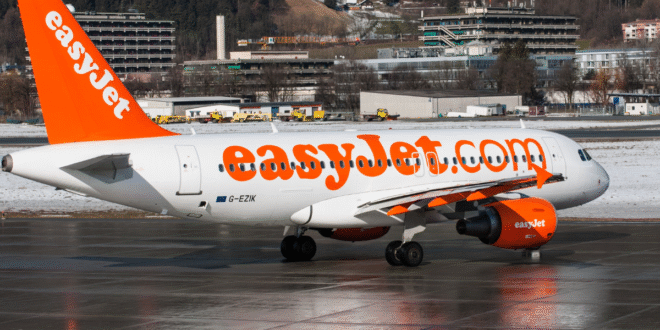
EasyJet had to make two emergency landings within 48 hours. Credit: 12019 by pixabay via Canva.com
In the span of just two days on June 14-15, easyJet was faced with not one, but two emergency situations in flight. One was a bird strike suspected, while a smoke-like odour mid-flight caused the other. Different routes. Different aircraft. Both ended the same way — early landings, and passengers were unsettled by what could have been much worse. These flights were not connected. The flights weren’t going to the same place. But they shared more than orange branding — they landed under pressure, triggering full emergency protocols and quiet concern in aviation circles.
Two mid-air incidents within 48 hours do not automatically indicate a crisis. However, it does demand a closer look, especially as airlines face peak summer strain, tight aircraft rotations, and growing concerns about how much stress modern fleets—and crews —can withstand. Although no one was hurt, the two incidents have raised concerns among Aviation experts and travelers alike. The answers to these questions are not easy, but it is worth exploring them, especially now that summer travel is ramping up, with airlines such as EasyJet dealing with rising demand and Titan margins as well as unpredictable skies.
Smoke over Turkey – an unplanned stop
The first incident took place on June 14When an easyJet Flight Left Paphos International Airport “bound for” Bristol. The cruise was at 36,000 feet over Turkey when a sharp odour spread through the cabin — not visible, but distinct enough for the crew to take no chances.
- The cockpit crew immediately declared an emergency.
- They went to Izmir Airport Adnan Menderes.
- Arrived safely 1 hour 20 minutes after departure.
The incident was fortunately not serious, but it did add to the growing concern about summer flight reliability. The airline provided hotel accommodation, meals and then transferred passengers on replacement aircraft to Bristol.
This is not the first time that passengers have reported odd odours and cabin problems mid-flight. This is an insight into the work that airlines do behind the scenes in order to detect problems as early as possible, especially when 160 members of a cockpit crew have to guess at 36,000 feet about a smoke smell.
Silent emergency at the Paris airport
One day later, on June 15, 2025Another easyJet flight on its way to Manchester to TunisiaIt was a complete surprise when he made a sudden turn towards Paris.
- The plane made an unexpected landing at Paris Orly Airport half way through the flight.
- The cause of the incident was not known.
The aircraft, or an Airbus A320 registered under G-EZWYThe landing was safe. There were no reported injuries. There was no immediate explanation from the airline, so observers were left to speculate. A health concern? A systems check? What about something more procedural?
EasyJet provided no further information than confirming that the flight had safely landed in Paris. It was enough for the passengers and the airlines. It is difficult to ignore this trend.
Two days, two planes, two divertissements and one question. Is EasyJet suffering a series of bad luck, or is it a sign Europe’s airlines feel the heat with demand rebounding and aircraft aging?
The final descent reveals the summer skies
The back-to-back emergency landings are extremely risky and more than a mere PR issue. The European air travel is at full speed. The airports are stressed, the queues are stretched and the aircraft are flying with shorter turnaround times.
These two EasyJet incidents are different because they took place in close proximity.
Travellers are more familiar than ever with phrases like ‘precautionary landing’ or ‘technical issue’. Some find it reassuring, while others see it as a sign of fatigue for an industry still struggling to recover from the pandemic.
We can also talk about the fleet. EasyJet’s average aircraft is more than 9 years old. However, they are far from being ancient. The majority of these incidents were not fatal, but it’s the frequencies that we should be paying attention to.