Costa News Spain Breaking News | English News in Spain.

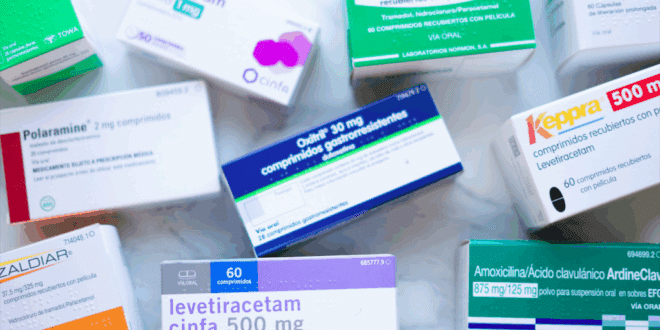
The law will punish pharmacies that supply prescription-only medications without a Spanish prescription. Photo credit: Aaaarianne/Shutterstock
Spain has a healthcare system that is led by pharmacists. This model differs from those in the UK and United States. Pharmacy staff are all fully qualified pharmacists. Many of the medications that are only available with a prescription are also readily available. over the counter under professional supervision. This approach is intended to reduce the pressure on primary healthcare while maintaining patient safety by pharmacist guidance.
Spanish pharmacies offer advice on minor illnesses and provide treatment suggestions. Spain, unlike the UK where over-the counter sales are restricted, allows access to more products, especially for short-term or low-risk illnesses. Before dispensing any medicine, pharmacists must verify the appropriateness and give advice on dosage.
Common over-the-counter medicines in Spain
What you can buy without a prescription
The availability of pain relief, such as paracetamol or ibuprofen, is widespread. However pharmacists usually regulate stronger dosages. Diclofenac topical creams and diclofenac gel are among the anti-inflammatory medications that come with instructions on how to use them. The same goes for gastro-intestinal medicines such as proton-pump inhibitors and antacids. Antihistamines are also available without a doctor’s prescription.
Spain allows cough and cold remedies to be prescribed for children younger than five, however these can only be given after a pharmacist has confirmed the correct dosage. In the UK, such medicines are not generally recommended for very small children. Parents are encouraged to closely follow pharmacists’ instructions, especially on the syrup concentration and time.
Another OTC product category is sleep aids. Melatonin (doxilamina), and doxylamine are both available as short-term treatments. Pharmacists can advise on the appropriate dosage, timing and side effects. These are safe for the majority of adults. However, pregnant women and older adults should be cautious, as well as those who are taking sedative medications.
OTC products also include vitamins and supplements, mild topical antifungal lotions, nasal sprays (non-steroidal), eye drops, and non-steroidal eye drops. The pharmacists have been trained to provide alternatives when a particular product is unavailable. This ensures that patients receive the best possible care.
Prescription Only Medication
What still requires a doctor’s approval?
Spain has strict regulations on many categories of drugs, even though they are available OTC. Prescription-only medications include:
- Sedatives, anxiolytics and sedatives: Diazepam lorazepam alprazolam other benzodiazepines
- Antibiotics: All systemic Antibiotics
- Opioid painkillers: morphine, oxycodone, fentanyl
- Psychiatric medication: ADHD treatment, antidepressants and mood stabilizers
- Hormonal treatments: Thyroid medication, hormonal replacement therapy and oral contraceptives
- Corticosteroids: The majority of topical steroid creams, including mild OTC creams, are systemic steroids.
- Strong anti-inflammatories NSAIDs with high strength and immunosuppressants
- Specialist Treatments The hospital prescriptions for antiretrovirals (anti-viral drugs), chemotherapy drugs, biologicals, and other medications
If pharmacies supply prescription-only medications without a valid Spanish script, they will be subject to legal penalties. Even OTC medications in other countries such as corticosteroid drops or certain inhalers require a physician’s approval in Spain. The use of high-risk, potentially habit-forming or addictive medications is supervised by a doctor.
Prescription medication must not be shared
Why you cannot lend or borrow medicines
In Spain, prescription only medications such as sedatives and anti-inflammatory drugs are not allowed to be given away. It is illegal to lend medication to family or friends. The person who gives and receives the medication could both face legal consequences. Pharmacies will also refuse to dispense controlled medicines without valid prescriptions.
Medically, it is dangerous to share prescription medications.
Do not self-medicate with leftover medication
Even if the symptoms are similar, it is important to not self-medicate with old or leftover prescriptions. Using prescription drugs or leftover antibiotics without professional advice can be hazardous.
- Incomplete antibiotic courses can lead to resistance and may not completely eliminate infection. The infection can be harder to treat if you finish “half-packs” or leftover pills.
- Re-prescription of a medication prescribed previously may not be the best option for your condition. Different infections or health issues may require different medication or dosages.
- It is possible to have adverse interactions with medications, supplements or changes in health.
Spanish pharmacists receive training to identify when medical reviews are needed and offer advice on safer alternatives. Always consult your doctor before beginning any prescription treatment.
Correct Approach
The best thing to do if someone runs out or prescription medication is:
- You can book an appointment (private or public), with a Spanish doctor.
- Bring any relevant medical documents, prescriptions or medication labels from abroad.
- Get a new Spanish prescription that can be legally disbursed at a pharmacy
Family and friends can help with appointments or paperwork, but they must not share their prescription medications. This rule is universal and ensures professional supervision while protecting patient safety.
What to do when you move from the UK and US
Access to ongoing Medication
Foreign prescriptions are not automatically recognised In Spain. Residents of the UK or US who are taking medication regularly must visit a Spanish physician to receive a valid prescription. Bring previous prescriptions, labels of medication, or a letter written by a prior doctor to expedite the procedure.
Visitors on a temporary basis can use international medical centres or private clinics, which offer many same-day appointments. Residents registered with public health care can make appointments to see a GP. Spanish doctors reissue prescriptions when clinically appropriate.
Overview of the Key Points
What Patients Should Know
- There are many medicines that require pharmacist consultation instead of a doctor’s prescription
- Children as young as five years old can receive cough medicines under professional supervision
- For short-term sleeplessness, Melatonin or doxylamine can be purchased OTC.
- Prescriptions are required for all sedatives and anti-inflammatories as well as antibiotics, corticosteroids and other strong anti-inflammatory medications.
- Never share prescription medication
- Never self-medicate using leftover prescriptions
- Spanish doctors are required to reissue UK and US medication
A System Built Around Pharmacist Expertise
Spain’s Balance between Access and Safety
Spain’s pharmacy system is somewhere between the UK restrictive system and US retail-driven model. Professional oversight is used to ensure safe and appropriate treatment. Pharmacists serve as gatekeepers by providing advice on dosage, identifying contraindications, or guiding patients towards medical review if necessary.