Costa News Spain Breaking News | English News in Spain.

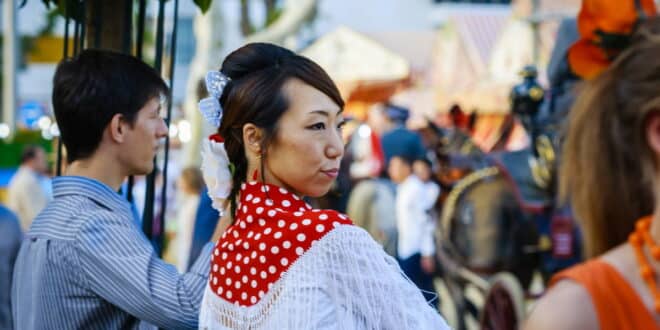
More than 600 residents carry the surname “Japón”. Photo credit: Shootdiem/Shutterstock
Nestled on the banks of Guadalquivir just across Sevilla lies Coria del Río, a town that seems like any other in Andalucía, sunlit plazas, whitewashed houses, and the gentle flow of the river shaping everyday life. Coria’s charm is familiar, but it hides a unique story that makes it stand out from its neighbors.
More than 600 residents carry the surname “Japón”, a legacy of a 17th-century Japanese samurai mission that settled in the area. This heritage is visible in the town: the Japanese flag hangs from the Ayuntamiento; festivals honor the centuries-old relationship, and statues commemorating historical figures such as Hasekura tsunenaga are dotted along the riverbank. This blend of Andalucian and Japanese influences creates a culture curiosity that attracts visitors and keeps the local pride alive.
The Samurai embassy that stayed
Hasekura Tsunenaga’s Historic Mission
In 1613, Hasekura Tsunenaga, a samurai, led a delegation of diplomats from Japan to Europe. They made stops in Rome, Madrid, and other European cities. Some members of this mission chose to remain in Coria del Río, marrying local women and establishing families that still live in the town today. These samurai did not just visit, but settled in the area for a period of time. They left a lasting mark on both local identity and lineage. Residents of Japón Families not only share Japanese traits like straight black hair or almond-shaped eyes, but can also trace their ancestry back to these early Japanese colonists. The town celebrates its extraordinary history with monuments, cultural activities, and street names that pay tribute to the legacy left by the samurai ambassadors.
The name that lives on
How “Japón” Became a Surname
Spanish officials had a difficult time recording the Japanese visitor’s names. Many of their traditional Japanese surnames are long, complex or hard to pronounce. To simplify, many were recorded under the name “Japón”, meaning Japan, which then became a hereditary surname for descendants. This administrative shortcut has evolved into a sign of identity and ties generations to distant lands. Today, the surname is a proud marker of heritage and a tangible reminder of Coria del Río’s unique historical story, a bridge between two continents forged by circumstance, adaptation, and mutual respect.
Symbols that reflect a shared heritage
Flags Statues Festivals
Coria del Río openly celebrates its Japanese legacy. The statue of Hasekura Tsunenaga that looks over the river is a tribute to the samurai warriors who used to walk these streets. Toro Nagashi festivals, in which residents float lanterns down the Guadalquivir to commemorate Japanese ceremonies, blend seamlessly with Andalucian tradition. Flamenco, poetry readings and tea ceremonies are all part of local cultural events and programs. This fusion between Japanese and Andalucian culture is reflected in the summer cultural program. These symbols are more than mere decorations; they’re a way to live history, a continuous recognition of the town’s extraordinary past.
Faces of the Past
Physical and genetic traces
Walking through Coria del Río, visitors notice that the town’s history is not only in names and flags but also in the people themselves. Some residents of Japón families bear subtle physical markers of East Asian ancestry, such as Mongolian birthmarks or distinct facial features. Genetic studies indicate varying degrees to be connected to the original samurai colonists. These traces, no matter how small, confirm the tangible connection to a unique history that has been maintained through the centuries. The Japanese influence is most visible, however, not only in science but also in pride, local identity and traditions.
Live Culture and Commerce
Bridge Two Worlds
Coria del Río has transformed its history into daily life. Shops and cafés feature Japanese motifs, local artisans produce goods inspired by samurai aesthetics, and Keicho-style sake is made in homage to the town’s heritage. Education programs, cultural exchanges, and tours that focus on samurai culture ensure the story is not only remembered, but also present. Residents maintain a town culture which combines Andalucian vibrancy and Japanese historical legacy. Visitors can see this fusion for themselves, with lantern-lit riversides and festivals honoring centuries of intercultural exchange.
What Makes Coria del Río Unique
- Over 600 residents carry the surname “Japón”, tracing ancestry to a 1613 samurai mission.
- The Spanish simplification of complex Japanese names into “Japón” became hereditary.
- A statue of Hasekura Tsunenaga is on the riverbank. The Japanese flag is flying from the Ayuntamiento.
- Toro Nagashi, a Japanese-Andalucian festival, celebrates cultural fusion.
- The town’s East Asian heritage is evident in physical traits like Mongolian birthmarks.
- Local businesses are embracing Japanese culture through the production of sake, crafts, cultural events, and more.
A living legacy across centuries
Coria del Río is more than a quaint town in Andalucía; it is a testament to centuries of cultural exchange. The streets, family names, and festivals of Coria del Ro showcase the four-century old connection between Spain & Japan. It is not just visible in monuments, but also in daily life. Floating lanterns on the Guadalquivir, the flutter of the Japanese flag, and the faces of those bearing the Japón surname create a living story, one where history is tangible, experienced, and celebrated. For anyone discovering Coria del Río, it is a place where the past continues to shape the present, blending Andalucian charm with an extraordinary Japanese heritage that has endured across generations.