Costa News Spain Breaking News | English News in Spain.

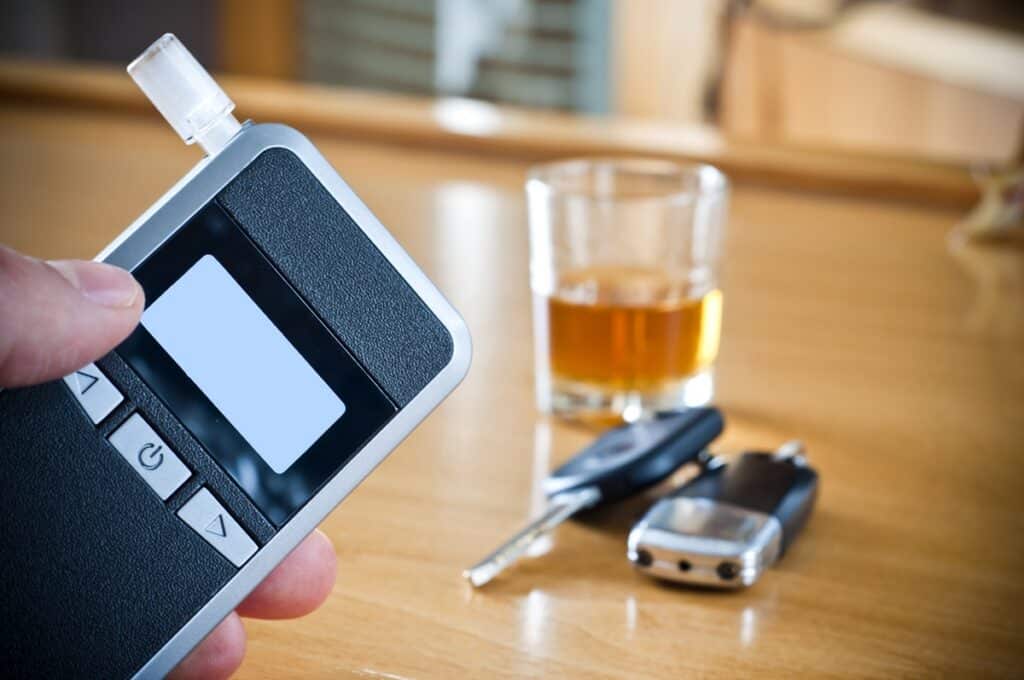
Spain keeps current drink-driving limits after rejecting stricter alcohol rules
Credit : nikamo, Shutterstock
Spain has just rejected a major change to its drink-driving laws – and for now, nothing changes for drivers. In a tight vote, Congress blocked a proposal that would have significantly lowered the legal alcohol limit at the wheel, a move that had been framed as a step towards safer roads. For residents and expats alike, especially those who rely heavily on driving in places like Alicante or the Costa del Sol, the decision brings relief for some… and frustration for others.
A last-minute vote that changed everything
The proposal, pushed by the Socialist party (PSOE), aimed to reduce the maximum legal blood alcohol level from 0.5 grams per litre to 0.2 – a shift that would have effectively meant near zero tolerance for drinking before driving.
But in the end, it all came down to a single vote.
The measure was debated in the Interior Committee, which had full legislative power on the matter. With 18 votes in favour and 19 against, the proposal fell short – and with that, the reform was immediately scrapped.
What really caught attention was the timing of the Partido Popular’s (PP) decision. The party kept its position unclear until the very last moment, only revealing during the vote that it would oppose the measure. That move proved decisive. Alongside PP, Vox, UPN and ERC also voted against it, forming the majority that ultimately blocked the change.
Interestingly, both PP and Vox had previously abstained when the proposal was first introduced about a year ago – making this turnaround even more significant.
Not everyone agreed on how to make roads safer
What’s striking is that there was actually broad agreement on one thing: road safety matters. Where political parties clashed was on how to improve it.
For the government, lowering the alcohol limit was a simple and necessary step. PSOE argued the reform was about protecting lives and aligning Spain with countries that have already tightened their rules – and seen results.
But critics weren’t convinced.
PP argued the proposal felt rushed and lacked substance. Its spokesperson questioned why such an important reform hadn’t been presented as a full government bill, with deeper technical analysis and scrutiny. According to them, reducing the limit alone wouldn’t magically reduce accidents.
And that’s where the debate gets interesting.
Because even some parties that support stricter rules didn’t back this particular proposal. ERC, for example, said clearly that the ideal limit should be 0.0 – no alcohol at all behind the wheel. But at the same time, they argued that lowering the limit to 0.2 wouldn’t actually solve the problem.
Their reasoning? Most serious accidents involving alcohol don’t happen because someone is just over the legal limit – but because they are far beyond it.
Vox took yet another angle, saying they agreed with the goal but saw the measure as excessive, even suggesting it could become more about fines than safety.
So what does this mean if you drive in Spain?
Right now, it’s simple: nothing changes.
The current legal limit remains at 0.5 g/l of alcohol in blood (or 0.25 mg/l in breath tests) for most drivers. For professional and novice drivers, stricter limits still apply – as before.
For many expats living in Spain, this will feel like a pause rather than a conclusion.
Driving is often essential, especially outside big cities. Whether it’s commuting, school runs, or simply getting around in areas with limited public transport, the car is part of daily life. A lower alcohol limit would have meant adjusting habits quite drastically — even a single drink could have put drivers at risk of penalties.
So in that sense, this decision avoids an immediate lifestyle shift.
But at the same time, it leaves a clear signal: this debate isn’t going anywhere.
The government made it clear during discussions that it sees this reform as part of a broader effort to reduce road deaths. Supporters insist that stricter limits influence behaviour, even if indirectly – by sending a stronger message about drinking and driving.
And looking at other European countries, Spain is not at the strictest end of the scale.
A debate far from over
If anything, this vote has highlighted just how divided opinions are – not just politically, but also in how people understand road safety.
Should the focus be on stricter laws? Or better enforcement? More education? Harsher penalties for extreme cases?
There’s no single answer – and that’s exactly why this proposal struggled to pass.
What seems certain, though, is that this won’t be the last attempt. With ongoing pressure to improve road safety and align with European recommendations, similar measures are likely to come back in one form or another.
For now, Spain’s drink-driving rules remain unchanged.
But if you’re living here – especially as an expat – it’s worth keeping an eye on what comes next. Because next time, the outcome might be very different.