Costa News Spain Breaking News | English News in Spain.

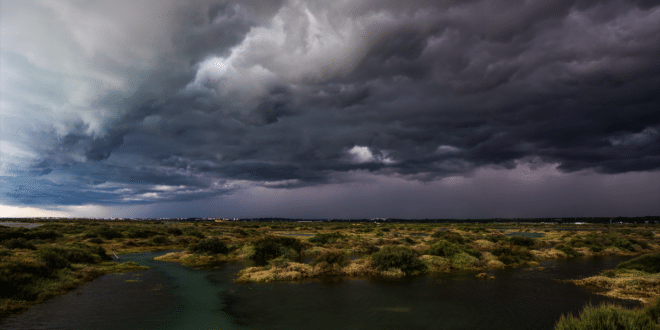
Spain’s January sunshine hours were 29 less than the average. Photo credit: Daniel J Skinner/Shutterstock
Spain experienced one of its least sunny Januarys in recent history, recording the lowest number of hours of sunshine in the country since 1996. It also recorded the second-lowest total since the start of the records in 1984.
The last month has seen a persistent series of Atlantic Storm Systems. Cloud cover was unusually heavy across the Spanish mainland. The lack of sunshine that resulted has had an impact on Weather across the country The statistics for January show that rainfall was also significantly above average.
Record cold clouds and reduced sunlight
The climate data indicates that Spain’s Peninsular Territory had an average of 29 less hours of sunlight than normal in January. The only month with fewer hours of sunshine was January 1996, which had 33 less than the average.
The average sunshine hours for a Spanish January vary dramatically by region. In the north, the sun is usually between 100-120 hours per year while in the south it’s often between 250-270. In January 2018, the majority of Spain fell below the historic averages. The Atlantic and North-West regions saw the biggest shortfalls.
While a handful of areas, including parts of Murcia, Almería and the Balearic Islands, remained within seasonal norms, the broader pattern was one of suppressed sunlight due to continuous cloud cover.
Storm Activity & Cloud Cover
Meteorologists attributed the darkness to a train of Atlantic storms crossing the peninsulaIt brings extended periods with cloudiness and rain. Early February saw more than 12 significant storm systems in the Spanish system of storm naming.
The storm systems have not only lowered the direct sunshine, but they also made January one if the wettest months in recent decades. The average rainfall in the peninsular region was approximately 85% higher than the long-term January average.
Regional Variations
The darkest conditions were most pronounced in the northwest Along the Atlantic coast. Santiago de Compostela, and other Galician towns, saw their sunshine hours drop by almost half when compared to normal levels. Madrid and other central and inland areas also saw significant drops in sunshine hours, though they were usually less severe than the Northwest.
In contrast, some of southern and southeastern Spain, particularly Almería and Murcia, maintained sunshine levels closer to seasonal norms, effectively bucking the broader trend of reduced insolation.
Global Climate Context
The period of low sunlight and high rains occurred in the context of a wider climate variability across southern Europe and Spain. In recent years, Spain has experienced greater extremes of temperature and precipitation. However, the drivers for any given month’s weather can be complex, and are influenced by atmospheric patterns over the North Atlantic.
Media coverage of storms, notable rainfall and other weather events can increase public perceptions of “dark skies”.
Effects on Daily Life & Mood
Meteorologists have noted that prolonged periods with reduced sunlight can have effects other than weather statistics. Low solar exposure can affect mood and wellbeing, especially in northern latitudes during winter when daylight is limited. Some psychologists believe that extended cloud coverage and gloomy sky can influence seasonal mood patterns. The exact relation between weather conditions and emotional states may vary among individuals.
Meteorologists are closely monitoring the Atlantic weather system for February, and beyond. Arrival of named storms as part of an active winter season The near-term forecast indicates that the weather will continue to be variable.. As daylight hours increase in the months to come, it is likely that sunshine levels will gradually return to more normal levels. Authorities are continuing to track weather patterns, update forecasts and provide accurate information to give guidance. They also want to know how January 2026 fits in with broader climate trends.