Costa News Spain Breaking News | English News in Spain.

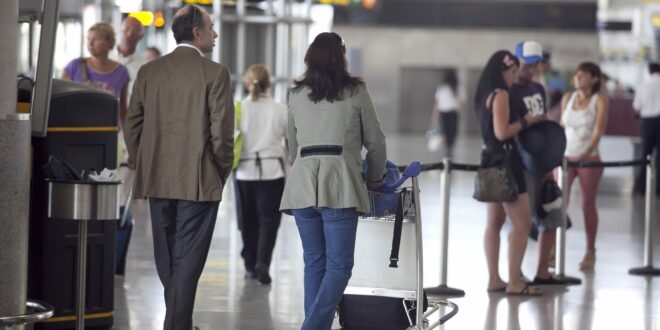
SPAIN joined Greece, Italy France and Hungary to reject plans from the European Union that would impose strict restrictions on Russian tourist visas
The Mediterranean bloc’s resistance comes as Brussels prepares new guidelines expected in December that would recommend stricter criteria for Russians entering the EU, following years of pressure from frontline states facing Russia – including Poland, Czech Republic, Finland and the Baltic states.
Greece was the leading opposition for the very first time since Russia invaded Ukraine in 2022. Officials cited the economic impact of Russian tourists.
READ MORESpain prepares to send fighter jets as well as refuelling aircraft to NATO’s east flank following Russian incursions
According to reports, Russian visitors to Greece spend an average of €1,300 per day compared to just €567 for other nationalities.
The dramatic spending difference is a product of the plummeting number of Russian tourists since the war began – with those that do travel tend to be wealthier.
Before 2015, Russians spent around €900 during visits, while average tourists spent about €600.
Cyprus, where 10% have Russian passports and its strong links to Moscow, did not participate in the veto.
READ MORE Strike action causes travel chaos and long queues at Spain’s busiest Airport
In September 2022 the EU canceled its visa facilitation deal with Russia, which made applications more complex and expensive for Russian citizens.
However, the individual member states still retain control of visa decisions. As a result, there are a variety of policies in place across the EU.
Eastern European countries such as Poland and Czech Republic, Finland Latvia, Estonia, Lithuania, have implemented near-total restrictions for Russian visa applications. Mediterranean countries, however, have adopted more liberal policies.
Data from the European Commission shows that more than a half million Russians are expected to receive Schengen visas by 2024.
READ MORE: US demands the EU stop buying Russian oil in exchange for sanctions tightening – but why is Spain still importing Putin’s gas?
This is a substantial increase over 2023 but it still falls far short of the number issued before World War II, which was more than 4 million in 2019.
Spain and other Mediterranean countries are showing resistance as the EU prepares to implement its 19th set of sanctions against Russia. These could include an outright ban on all tourist visas.
The new guidelines, which are separate from possible sanctions, will focus on addressing the security risks and setting up recommendations instead of binding rules.
READ MORE Pedro Sanchez attends christening of new Spanish frigate – ‘the first of five’ – as Spain boosts its military credibility
Latvia’s foreign minister Baiba Braze stressed the need for ‘a unified and consistent approach across the EU’ when dealing with Russian visa applications.
Czech Foreign Minister Jan Lipavsky has even gone so far as to propose banning Russian diplomats from travelling outside their posted countries, arguing it would prevent Moscow from facilitating ‘sabotage operations.’
Russian opposition figure Yulia Navalnaya, widow of late opposition leader Alexei Navalny, spoke out against the ban, urging Brussels to ‘make a clear distinction between the responsibility of the regime and ordinary Russians.’
Travel News by The Olive Press.

Discover Tailor-Made Tours
Simply Holiday Bookings offers a wide range of personalized vacation experiences.