Costa News Spain Breaking News | English News in Spain.

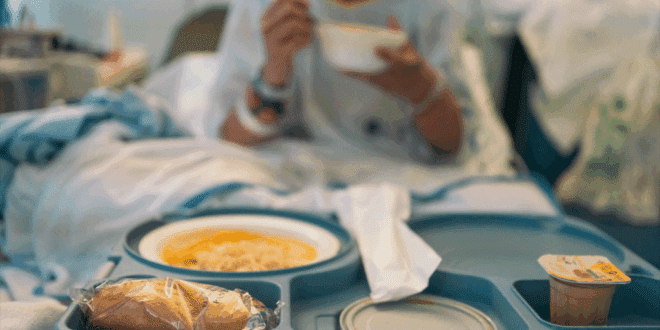
The measure is currently aimed at menus in hospitals and nursing homes. Photo credit Jota Buyinch/Shutterstock
The Ministry of Consumo, under the leadership of Pablo Bustinduy has announced that it will ban all ultra-processed food from hospital menus for children.
The Under A forthcoming Royal Decree Menus for children and teenagers in hospitals and care homes must not include industrially processed food. It also applies to the public cafeterias or dining halls in these centres. The standard children’s meal will no longer include sugary drinks, industrially processed baked goods, or similar products.
This follows a recent reform of school meals that was implemented earlier in the year: April 2025, Spain adopted a Real Decreto For “Comedores Escolares Sostenibles y Saludables”, which set nutritional minimums and limited pre-cooked food to one meal per month. They also banned sugary drinks, products, and beverages with more than 5 grams of sugar in each serving.
The Ministry says that the goal is to provide healthier and more sustainable diets, especially in institutions like hospitals and nursing homes, for children and teenagers.
Ultra-processed foods pose health risks
Rise in consumption and associated illnesses
The consumption of ultra-processed food in Spain has increased sharply over the past two decades.
These foods are linked to obesity, diabetes type 2, cardiovascular disease, and premature death.
Officials argue that the regulation of hospital food is necessary in order to align institutional foods with scientific evidence and guidance on public health. Sugary and heavily processed food in hospitals can undermine a broader nutritional education.
Comparaison with UK hospital and School Food Standards
What is happening in the UK?
In the UK, school and hospital food is regulated by standards which limit sugar, sodium and saturated fat while ensuring sufficient fruit and vegetables, and balanced portions. Some hospital cafés still offer sugary snacks, but overall, institutional meals follow nutritional guidelines.
Spain’s hospital regulations align the meals with standards in schools and bring practices closer to UK models. In hospitals and schools, meals for children will be based on fresh ingredients and balanced nutrition.
UK standards Make sure institutional meals are not harmful to public health. Spain’s regulations reduce contradictions when schools provide healthy meals and hospitals serve processed food. Spain’s regulation of institutional meals reduces the disparity between what is served in public facilities and general high-sugar consumption.
Spanish culture: celebrations, habits and sugary treats
The role of ultra-processed and sweet foods in childhood
Many Spanish children already consume sugary sweets (‘chuches’), gummy candies (‘gominolas’) and sugary drinks, especially during celebrations, parties or festive occasions. During events such as the ‘Cabalgata de los Reyes Magos’, when sweets are handed out or thrown to children, sugary treats are part of cultural tradition and widely enjoyed.
Sugar intake is also increased by eating junk food, such as ultra-processed foods and sugary beverages at social gatherings or home.
Will the new regulations go further?
The measure currently concerns menus in hospitals and care homes, including cafeterias. This measure does not cover festivals, private homes or celebrations in public. The Ministry has not announced any measures to limit sugary sweets at events like Reyes Magos or regulate their sale and consumption outside of institutions.
In the future, legislation may cover more than just meals and public events. For now, however, it is confined to institutional settings.
Summary of reforms
- Foods that are ultra-processed will no longer be served in children’s hospitals and cafeterias, and they will also be limited to public dining areas and cafeterias.
- Foods targeted include industrial snacks, sugary drinks, processed bakery goods, industrial biscuits — items high in saturated fat, salt or sugar.
- The new regulation follows the 2025 decree on school canteens that set minimum nutritional standards and prohibited sugary beverages and high-sugar foods.
- The consumption of ultra-processed foods has increased from 11% to 32% in Spain over the last 20 years.
- Consumption has been linked to obesity, diabetes type 2, cardiovascular disease, and premature death.
- The consumption of sweets for cultural purposes, such as during festivals such as Reyes Magos or other similar celebrations, is not regulated.
Institutional change versus cultural habits
Spain’s ban of ultra-processed products in hospital food for children is a major public health initiative that aligns institutional nutrition with scientific evidence. Prior to the reform, hospitals served processed snacks and sugary beverages similar to those found in cafeterias.
Spain has caught up to the UK in terms of institutional meals, which have been following nutritional standards since the 1970s.
The regulation does not apply to the cultural consumption of sweets, candies and processed treats in everyday life. This does not impact the consumption of sweets in daily life, or candies, and other processed treats, particularly during holidays, such as Reyes Magos. These traditions will continue for the time being, and any future policy regarding sweets during celebrations is still uncertain.