Costa News Spain Breaking News | English News in Spain.

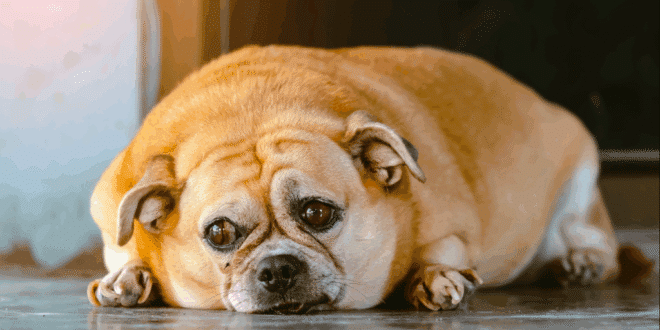
The number of overweight pets is increasing globally. Photo credit: Natch-Noth/Shutterstock
Drugs such as Ozempic, Wegovy and others have been revolutionizing the treatment for obesity and type-2 diabetes. These medications, which are based on GLP-1 agonists (receptor agonists), suppress appetite and regulate the blood sugar levels, leading to weight loss. Now, veterinary scientists are exploring whether these therapies can help overweight pets.
GLP-1 drugs like liraglutide and exenatide are being tested on companion animals. In early trials, liraglutide was found to reduce appetite and body mass in Golden Retrievers while improving cholesterol profiles. GLP-1 therapy has been proven to reduce insulin reliance and improve glucose regulation in cats. These therapies may help animals with diabetes related complications. Companies are working on new delivery systems, like the OKV-119, which slowly releases exenatide over time. This could allow for long-term treatment. These treatments, if approved, could be available to veterinary patients within the next few decades.
Pet obesity is a growing problem worldwide. Over half of dogs in many countries are overweight or obese. This puts them at risk for arthritis, heart disease and diabetes. GLP-1 medication may be an effective clinical tool to treat animals suffering from obesity. However, it’s important to identify the underlying cause.
As an animal behaviour and welfare specialist, I want to stress that pet obesity can be avoided. Some dogs and cats have a genetic disposition or hormonal condition. However, the majority of cases can be avoided through proper diet management and exercise. Obesity occurs in pets when they are overfed, under exercised, or both. In this context, allowing animals to become obese can be considered a form neglect. Both extremes are a failure to satisfy the animal’s physical and mental needs.
It is important to note that there are also wider ethical concerns: normalising the use of pharmaceuticals for overweight pets could result in a shift of responsibility from owners onto medications. Weight loss injections might seem convenient but they are not a substitute for fundamental care. These treatments create a dangerous precedent by implying owners can ignore proper feeding and exercise because there is a “quick-fix”. Owners must be held accountable for their pet’s diet, enrichment, and exercise.
In exceptional medical situations, GLP-1 therapy may be necessary, just as humans need medical help at times. The most humane and cost-effective way to prevent obesity is through responsible ownership, which includes balanced nutrition, daily exercise, and mental stimulation. Encouragement of these practices helps animals to maintain good health, fitness and mental well-being. In the end, pet obesity is not an issue for animals, but a problem that affects humans. If you only use drugs to treat it, then you risk normalizing neglect and compromising animal welfare standards. Owners should understand that exercise, proper nutrition, and attentive care are the only things that can replace them. Combining education, responsible management and veterinary guidance, when needed, can help safeguard the health and wellbeing of pets, while also addressing the global epidemic of obesity.