Costa News Spain Breaking News | English News in Spain.

Electric scooters must be registered in Spain and identified by 2026.
Credit : Dgt.es
In Spain, electric scooters no longer slip under the radar. From, January 2 2026, they are officially part of the system – registered, identified and insured.
You will be affected by the new regulations if you ride a scooter for transportation to and from work, to go shopping or to travel around town. For expats who have brought scooters from abroad, you should check a few important things.
Changes come from Royal Decree 52/2026It is a. national register for electric scooters The DGT is responsible for the management of personal mobility vehicles.
Your scooter must now be legal
As of this year, scooters are only permitted on public streets, roads or cycle lanes if the following three conditions are met.
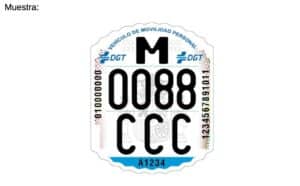
A scooter in Spain must be equipped with a certification of compliance. It must also be registered on the new DGT light personal vehicle register. Third, the vehicle must be equipped with an official DGT badge on its rear.
If you miss one of these requirements, the scooter will no longer be considered legal to use on public roads.
You’ll soon see the new DGT badge everywhere
You may have noticed the small, white reflective sticker on some scooters with the large “M”. This is the new system. DGT ID badge
The owner of a registered scooter receives a digital certificate. He can then purchase the badge at authorised providers. The badge is attached just below the rearlight and contains a unique ID, the scooter’s certificate reference, and security features to prevent it from being removed and re-used.
This means instant identification for the police. For riders, it means scooters can be checked for insurance, certification and ownership in seconds – and stolen or modified vehicles are far easier to trace.
Credit: BOE
Owners and manufacturers are subject to stricter regulations
Owners are now clearly responsible. You must notify the DGT of any changes within 30 days, whether you are selling your scooter, buying a second-hand one, or scrapping it. Registers also include insurance information, in support of Spain’s new mandatory liability requirement.
The manufacturers must, however, certify each model by a laboratory that is approved. Scooters have to meet certain safety standards. These include two independent brakes as well as proper lights, reflectors and speed limiters at 25 km/h.
The goal is to eliminate unsafe imports, anonymous scooters, and other vehicles from Spanish roads.
What about the scooters that are already available in Spain?
You have a grace period if your scooter is not yet certified.
Uncertified scooters are allowed to circulate up until 22 January 2027. They will not be allowed to circulate on public roads after that date. Owners still have time to register or replace older models with compliant ones.
Why it matters to expats
The impact on expats in Spain is clear.
If you regularly use a scooter, it’s important to have it certified, insured and registered. When buying a new scooter, you must choose one that is DGT-approved. If you bring a scooter in from another country, it could not meet Spanish standards. It may also become unusable by January 2027.
The police will also be expected to enforce the law more, as they can now identify scooters instantly using the DGT system.
Spain’s message on electric scooters is clear. They are no longer considered a luxury. The scooters are now fully regulated, and come with the paperwork, insurance, and identification that goes along with it.
For riders, that means fewer surprises – as long as everything is done by the book.