Costa News Spain Breaking News | English News in Spain.

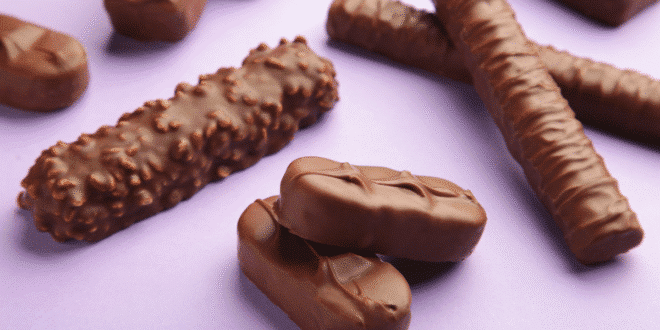
Chocolate favourites like these are at the centre of Mars’ growing empire — and why EU regulators are watching closely. Credit: Изображения пользователя Mouse Family via Canva.com
Mars’ 36 billion dollar bid for Kellanova – the company that makes Cheez-Its, Pop-Tarts and yes, Pringles – is not about Pringles. This is a move to dominate the global snack aisle. The EU is now investigating the deal. Behind the corporate Smiles and press releases, Brussels regulators are asking a fundamental question. Can one company have this much influence over the food that Europe consumes?
What triggered EU probe?
Mars-Kellanova’s merger is a match made in heaven. The merger of Mars and Kellanova, two confectionery giants with a leading ready-to-eat snack company, creates one of the most iconic portfolios in the food business.
- Brussels regulators are more concerned with market dominance rather than brand synergy.
- According to sources close the European Commission, this is related to their portfolio power.
- Mars already owns M&M’s, Snickers, Skittles, and pet food brands like Pedigree and Whiskas.
- Kellanova is now available at European retailers, giving them a strong vertical advantage.
One company could influence pricing, placement and even the consumer’s choice in multiple product categories within a single market. This isn’t about whether Pop-Tarts and Pringles are more delicious; it’s about whether too many of the snacks you love might be in the same boardroom.
The investigation is still in its early stages, reflecting the growing concern and discontent about how much ground is dominated by one conglomerate.
What will Mars do if he wins?
If the deal goes through, Mars gains a new snack shelf, as well a stronghold on multiple European markets. These include convenience store impulse purchases, lunchbox staples, and more. Kellanova will bring in Pringles, Pop-Tarts and Cheez-It as well as Rice Krispies Treats and a global distribution network that will complement Mars’s.
- The scale of their operations will rival that of supermarkets, investors and even consumers.
- The retailers fear that the merger between Mars and Kellanova will affect negotiations because if you want M&M’s, then you’ll also stock up on Pop-Tarts.
- This will drive up the price and squeeze out other competitors. It can also limit what is on store shelves if you are targeting national markets such as Portugal, Belgium or Hungary.
Why mergers in the food industry are subject to regulatory scrutiny
Private labels are replacing big-name brand names in the shadows of inflation. In response, retailers use that leverage to make much more aggressive bargains, and legacy food companies merge to remain afloat.
Kelanova won’t just reduce competition, but it will also cost more to deal with Mars. This will change the market, where only three to four companies currently control the majority of biscuits, cereals, and chocolates. Once Pringles, Pop Tarts, and Mars are added, the balance can be tipped too far towards Mars.
Smaller brands will find it difficult to compete with the big brands for shelf space. Retailers will be faced with bundle demands, and consumers may see less choice and higher prices, without knowing why.
The regulators of Australia and Canada also review the deal. This signals that Snackmonopolies no longer fly under the radar.
Was once viewed as a harmless merger of grocery stores is now being reclassified into something else: A system of control based on familiarity and convenience.
What is at stake?
This is affecting consumers’ everyday decisions in terms of what snack they reach for, what cereal their kids will eat and what’s available on the shelf. It will not be taste that shapes this, but consolidation.
If too many of us funnel our habits back to a single boardroom, it isn’t only corporate overreach that’s at risk; the culture landscape, brands, and prices are all affected.
The consumer loses without realising it. Whatever happens next, in terms of concessions or carve-outs or even a full green light, it is all about scale and synchronicity. It’s not about whether or how the deal goes through, but if regulators can slow down the drift towards snack monopolies.