Costa News Spain Breaking News | English News in Spain.

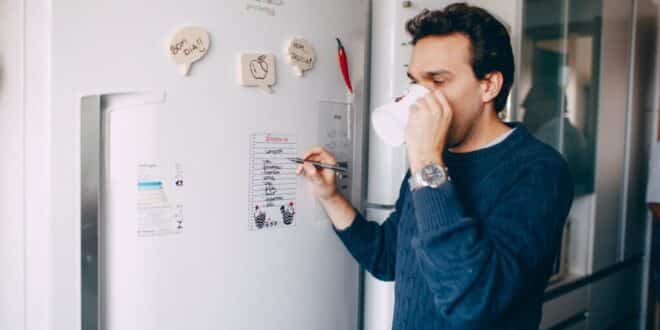
Storing food safely. Credit: Helena Lopes/Pexels
You want to cut costs on your supermarket purchases? You may want to consider how much food is wasted by not storing your food correctly.
It is important to know how to properly store food in your fridge, freezer or cupboard. This will help you extend the shelf life of your food and prevent it from spoiling too quickly.
Here is a guide that’s been backed by experts on how to properly store food in your home.
How to store fruits and vegetables in the refrigerator
Lettuce
Food engineer Montse Meléndez revealed the biggest mistake people make with lettuce: putting it away while it’s still wet.
She told her 785,000. Instagram followers.
How to make lettuce last longer than a week
- Rinse the comb and pat it dry.
- Store in a container that is airtight with layers of paper towel
- If the paper towel becomes damp, replace it.
“I recommend putting a layer of lettuce, a layer of napkins, and so on,” Meléndez explained.
Peppers, chillies
YouTube viral creator Creative Explained He shares dozens ways to keep your fruit and vegetables in good condition. In his video, he offers specific and easy to follow hacks.
Put them [peppers and chillies] in a plastic bag, poke some holes, put them in the fridge – they’ll stay fresh for seven to fourteen days.”
Spinach
The spinach will stay fresh for up to 10 days if you use paper towels. Freshness is guaranteed for 10 days.
Celery
“Wrap them tightly in foil, store in the fridge – they’ll be crisp for 14 days.”
Limes
Place them in a Ziplock Bag and place in the refrigerator.
Blueberries and strawberries
“Add 3 cups of water and 2 tablespoons of white vinegar, let the berries soak for 5 minutes… Then store strawberries in a mason jar.”
According to Canada’s Food GuideMany fruits and vegetables will last longer if they are kept in the refrigerator
What fruits and vegetables are best kept in the refrigerator?
- Vegetables include broccoli, celery and cucumbers. Also, green beans, leeks mushrooms, green beans in a paper bag, and carrots without green tops.
- Fruits : Grapes, berries (in ventilated bags), apples (in a vented bag), nectarines, apricots and lemons
How to store food correctly in your refrigerator’s crisper drawer
- Vegetables : high humidity (lower shelves and drawers)
- Fruits: Low humidity (higher shelves).
What fruits and vegetables are best kept at room temperature and not in the refrigerator?
Some foods are not good in the cold. The Canada Food Guide recommends that you store these foods at room temperature.
- Sweet potatoes, bananas, sweet potatoes, onions, garlic and fresh basil
Tip: Basil leaves turn black when they are exposed to cold temperatures. Store basil in a sealed container and place it on your counter.
Foods which can ripen out on the counter should be put in the refrigerator
Some fruits are best ripened and then chilled at room temperature to extend their freshness.
- Avocados
- Tomatoes
- Kiwis
- Pears
- Peaches
- Plums
- Mangoes
- Melons
How to safely store eggs, meat and fish
It is important to note that the word “you” means “you”. UK Food Standards Agency Listed below are some rules you should follow.
Raw meats, poultry, fish and other seafood
Store in containers that are tightly sealed on the lowest shelf to prevent drips. Never consume food past the date of expiry.
Cooked meat
Cool, then refrigerate or freeze within 1–2 hours. Separate raw meat from cooked meat.
Eggs
If available, use the built-in tray of your fridge. Store them away from any other foods.
Do not make this common mistake of storing opened tins
Most of us have opened a can of baked beans and stored leftovers in our fridge. After a tin has been opened, it is not advisable to store food inside.
According to the UK Food Standards Agency the tin could leach into the food very quickly once it is exposed to the air. Refrigerate leftovers by transferring them into a clean container that is sealed.
What you can and cannot freeze
Some foods freeze beautifully. Some foods, like cucumbers and lettuce, become soggy or watery.
Vegetables that are freezer-friendly (blanch them before freezing)
- Green beans
- Broccoli
- Peas
- Carrots
- Cauliflower
Fruits that are freezer-friendly
- Berries
- Plums
- Bananas
- Cherries
- Peaches (whole or sliced)
Pro tip: Save vegetable scraps like onion skins and carrot tops in a freezer bag – they’re perfect for homemade vegetable stock. Kate Hall’s Instagram page has more tips on freezing. @thefullfreezer – she’s a Home Food Waste Expert.
What is your favorite storage hack to keep your food fresh? Let us know in the comments – because nobody likes pulling a slimy bag of spinach out of the fridge.
Check out these tips from Creative Explained for home cleaning.
All lifestyle articles are available.