Costa News Spain Breaking News | English News in Spain.

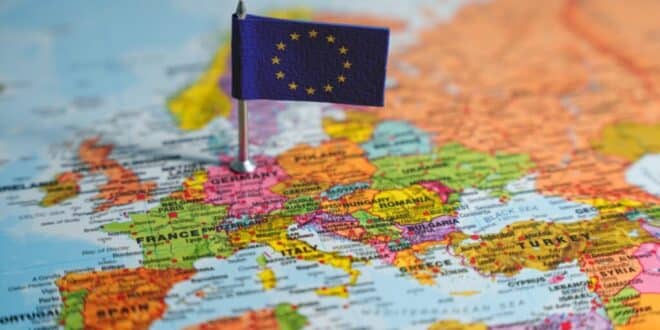
Being ‘cultural’ in Europe. Credit: Rokas Tenys, Shutterstock
In recent times, being ‘cultural’ in Europe might have meant visiting a museum – but chances are, during 2024, it was streamed, scrolled, or downloaded instead.
According to new Eurostat Report published on July 10, 2025Last year, the majority in Europe turned to the Internet for cultural purposes, raising questions about the true nature of culture in the digital era.
Netflix – the new theater?
Gone are the days when being ‘cultured’ meant frequenting museums, galleries or classical concerts. It could be as simple as watching videos or TV online. According to reports, 79 percent of EU internet users do this.
In countries like The Netherlands, Finland, Cyprus and others, almost all people said that they streamed video. In Romania and Bulgaria however, the number of people streaming videos has decreased. It’s unclear if this is due to lifestyle, access or preference. But the trend is clear. Europe’s cultural habits have moved online.
And why not. With foreign films, documentaries, live theatre, and global art available at the click of a button, perhaps the definition of ‘cultured’ has evolved with technology.
The growth of streaming subscriptions
70% of users turn to digital magazines and websites for their online news. In a time of fake news and information overload, this digital reading habit is more than casual scrolling – it’s part of how Europeans engage with the world.
Culture has become more personal as millions pay for online streaming subscriptions, music services, and event tickets. Algorithms can better predict our tastes than us. Netflix and Spotify playlists may have a greater impact on our culture than curators or critics.
It is not necessary to be in the capital or to buy expensive tickets to see a show to enjoy world-class content. Whether you’re in rural Spain or downtown Berlin, ‘culture’ is just a click away.
Some worry this shift cheapens culture – that it becomes disposable, background noise to daily life. This undervalues the power and reach of digital storytelling. A podcast can change minds. A live concert can be inspiring. A tweet can be the start of a revolution.
Even fewer people read e-books (just 7 per cent) and fewer still buy printed books (16 per cent).
What do you think about this? Have we lost culture as we scroll down the web?
All European News.