Costa News Spain Breaking News | English News in Spain.


You know the Costas as well as the back of your hands? You have ticked the top Spanish cities to visit, from Valencia to Seville. You’ve done your best to eat your way around San Sebastian, and you’ve toured the Ribiera vineyards. But there’s still a lot of Spain left to explore. Fiona Govan reveals her favourite places to visit, away from the tourists. This is where you can still experience the real Spain.
There have been headlines about the unwelcoming nature of tourists. Perhaps you’ve even seen crowds spilling from cruise ships in Mallorca, Malaga and Barcelona. Yet there is still so much of Spain that gets left off the tourist trail – according to Spain’s tourist board 80 percent of visitors are concentrated on the islands and Mediterranean coast – which leaves a whole lot of the country ripe for discovery.
Ancient Extremadura
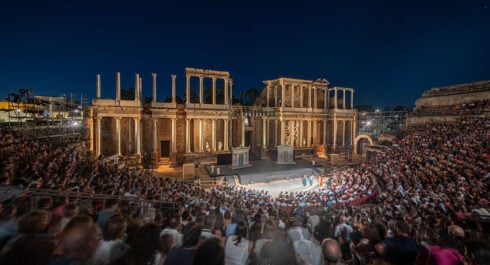
Extremadura has no coast and is not accessible by high-speed trains. It’s no wonder that tourists tend to overlook it. Although it has three Unesco World Heritage Sites, (Merida Caceres Guadelupe), and a National Park which is a refuge for migrating birds in Monfrague (and possibly the best preserved Roman Ruins outside of Italy), Extremadura remains one of Spain’s least visited regions. Jerte’s cherry blossom valleys are a must-see in spring. Trujillo is a town that was built by Conquistadors who returned to the area. In May, the town hosts a cheese festival. For theatre lovers, Merida in July will host nightly performances from Shakespeare to Seneca.
The city of Caceres is a gourmand’s dream boasting the Three-Michelin-starred Atrio as well as a cluster of taperias within its Medieval walls offering the very best in locally grown produce. You’ll find Iberian pork fattening up on acorns in the dehessa to produce some the best jamon the country has to offer.
The Parador in Guadalupe is a former convent that dates from the 15th Century.
READ ALSO
Hiking Spain’s green north coast
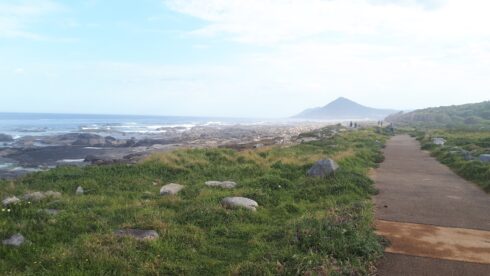
It’s no secret that the Camino de Santiago can get very crowded. This is due to the fact that everyone has heard about it. You can find plenty of well-marked routes if you venture away from the pilgrimage path.
Galicia now has seven new hiking routes. Senderos AzulesA network of walking trails that runs through the northwestern part of Spain. There are circular routes connecting towns where you can easily find accommodations. Explore hidden beaches, fishing villages and coves along the rugged Atlantic coastline. Or embrace the tranquility of inland trails running through ancient woodland or alongside river banks through the provinces of A Coruña and Pontevedra. Try the tortilla in Betanzos or percebes, a strange looking delicacy harvested by fishermen from rocky outcrops battered by surf.
El Hierro is a wild and beautiful island paradise
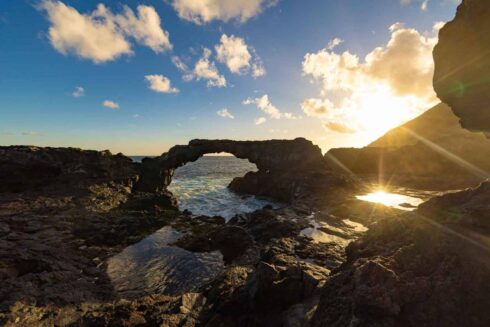
Canary Islands don’t always mean mass tourism or all-inclusive hotel chains. El Hierro is the smallest island in the Canary Islands and the one that’s the furthest west. There are no direct flights to El Hierro from anywhere outside of the archipelago, so only the most adventurous travellers can get there. It is a choice for those who are looking to travel ethically.
There are black shingle and white sand beaches, as well as densely leafy rainforests. This is a great place to go hiking or mountain biking.
In contrast to neighboring islands Tenerife Gran Canaria Lanzarote, the local population is only around 11,000, so there aren’t any large urbanisations. The latest figures show that there are just over 20 000 visitors per year, as opposed to the 6 million people who visited Tenerife in one single year.
Teruel Exists!
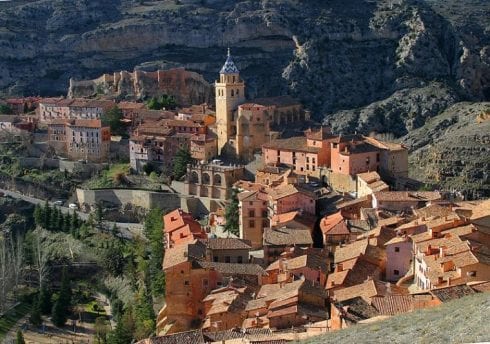
Find your way to Teruel, a province located in eastern Spain.
Because it is poorly served by public transport, you’ll likely have to drive yourself – 2.5 hours south of Barcelona or two hours inland from Valencia – but with a car you can explore an area dotted with ruined castles and picturesque walled towns built in the Mudejar style.
This is Europe’s largest producer of black truffles and their pungent taste elevates local dishes, from starters to desserts. Albarracin is a Medieval city perched on a rocky outcrop over the Guadalavir River. Get lost in its winding lanes and cobblestones.
You’ll discover some of Spain’s most dramatic landscapes, including dinosaur tracks and wild swimming areas. Locals will be grateful that you took the time to explore their little-known corner.
READ MORE
Ubeda and Baeza: Hidden Gems

There are two hidden gems of Andalusia that are worth a visit.
Ubeda and Baeza are two walled cities in Jaen that have been beautifully preserved. They will impress visitors with their Renaissance architecture.
Just 15km from each other, the towns both have Unesco World Heritage status, but are usually skipped over in favour of Seville, Granada and Cordoba. Explore the picturesque plazas, cobbled roads and shops selling leathergoods, olive oil and pottery. In Ubeda descend into what is thought to be one of Spain’s oldest synagogues – and an old mikvah that was discovered during renovations of an old townhouse.
The Olive Culture Museum in Baeza is dedicated to educating tourists about the olive crop that extends as far as the eyes can see across this part of Spain.
READ ALSO
The Olive Press Travel News: Click Here to Read More.