Costa News Spain Breaking News | English News in Spain.

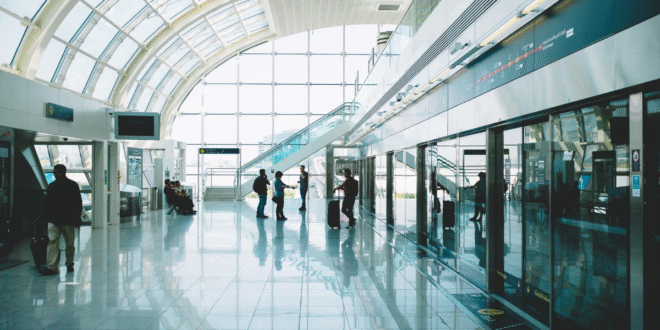
Credit: StockSnap via Canva.com. New EU travel regulations could increase ETIAS fees by 2026.
There’s another thing to consider when planning your European vacation in 2026. No, it is not the cost of sunscreen or checked baggage. The EU’s new ETIAS travel authorisation, which was originally set at €7, is now being charged at a different price. The bill will fall on the shoulders of the travelers. Brussels officials have confirmed the price is currently being re-evaluated and that it will be rolled out along with the biometric border framework. What was once a simple form could now be a costly extra for families, solo travelers, or even experienced business travellers.
What exactly is ETIAS and why are prices rising? How might this affect your travel plans in the future? This article will explain the reasons behind this price increase and show you how to avoid unexpected fees. If you’re planning a city-hopping trip or finally taking your bucket-list European vacation, it is more important than ever to be prepared, especially now that border checks are going digital and bringing new fees with them.
Who needs ETAIS and what is it?
ETIAS, or the European Travel Information and Authorisation System is not a Visa. It’s more of a digital authorization slip. If you are a citizen of a country which does not require visas, like the UK or the US, Canada, Australia or Japan, then you must apply for the ETIAS before you travel to any European destination.
- This includes short trips, business trips and transiting through Schengen Airport.
- ETIAS is valid for 3 years and allows multiple short stays up to 90 day within 180 days.
- The project is not yet active, but is scheduled to launch in 2026.
According to reports, there are internal discussions weighing up a modest increase in price before the system is officially launched. What is the price?
- You can also find out more about the following: current benchmark is €7
- The US ESTA Now costs the equivalent to €20
- The UK’s ETA Sits around £10–£16
Depending on the negotiations, this final amount can range from 10 to 15 euro. It’s not a deal breaker for travellers but you should consider additional payments. This is especially true for multi-country trips or families.
How to safely apply
ETIAS is not required for flights to France, Italy, Spain or anywhere else in Schengen Zone.
- After the launch of the Entry-Exit System in October 2025, the system is expected go live by 2026.
- The biometric scanners will replace the manual stamps on passports.
- ETIAS will be the next step towards a digital border for Europe.
Apply at least four to five days prior to departure. Make sure your passport will be valid at least three months after your departure. Renew your passport if you are about to lose it. Otherwise, your ETIAS could be invalidated.
It is a goal to create a system that is more automated, digital and less forgiving. Once the entry-exit systems are implemented, there will be a major shift in Europe.
The new passport will track your stay and whether you’ve overstayed previously.
ETIAS goes further, adding a layer of prescreening even before you can leave your home country. The goal is security and efficiency with more tracking, more admin, and less flexibility. So plan ahead, or you might get left behind.