Costa News Spain Breaking News | English News in Spain.

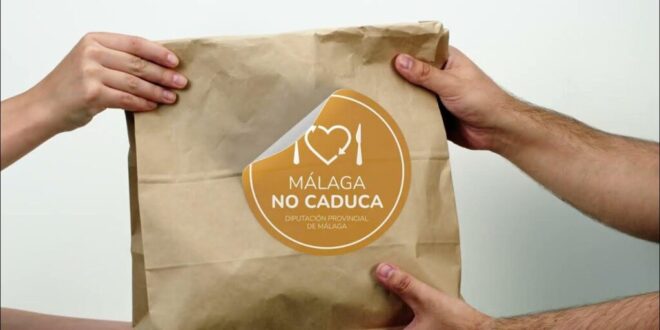
Malaga doesn’t go bad.
Credit: Diputación de Málaga.
Malaga’s provincial government has launched an ambitious plan called Málaga No Caduca to combat food wastage and poverty across the province.
This project is aimed at redistributing excess food from restaurants, hotels and catering companies in order to help vulnerable families and communities. With a nearly €10 million investment, this unique effort is being celebrated as Spain’s first social impact contract awarded by a public administration under European regulations, according to Francisco Salado, the Diputación de Málaga president.
The initiative functions in three phases: The first, managed by Menexpres SA (AKA Seur) with €8.1 million, involves collecting and distributing donated food from shops and restaurants via the Bancosol charity. The second, led by Upsocial Outcomes Partnerships SL with €1.1 million, promotes socio-labor inclusion for those at risk of exclusion. Finally, the Spanish Red Cross, allocated €793,250, tackles unwanted loneliness by making their visits more than just a food delivery, but a chance to stop and chat with someone. The project aims to assist between 30,000-40,000 people over a period of five years. It also promotes social wellbeing and solidarity.
Salado highlighted the boldness of the program. It brings together government, civil society, private sector, to ensure food is not wasted. In April, municipalities and hotels with a population of over 20,000 people will be invited. Already, Málaga No Caduca has earned accolades, including the Junta de Andalucía’s Health Protection Innovation Award and recognition from Oxford University’s Indigo database. The plan is not just about food distribution. It also aims to improve public safety, sustainability, social rights and job creation.