Costa News Spain Breaking News | English News in Spain.

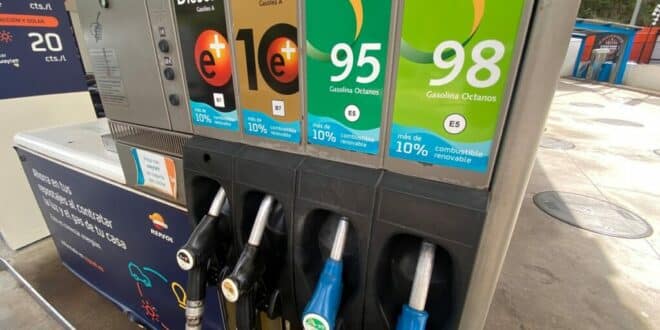
Fuel pumps at an Repsol petrol station, Spain.
Credit: Tetyana_Pidkaluyk / Shutterstock
This article is for drivers in Spain. Fuel prices could reach €2 per litre by 2027, according to analysts looking at Brussels’ latest climate measures.
And although that date sounds comfortably distant, the changes driving this rise are already in motion – and they will affect almost everyone who relies on a car.
The rise in oil prices isn’t due to global tensions or problems with the supply of oil. The European Union has been pushing to get rid of petrol and diesel vehicles. The EU has set a goal of stopping the sale new petrol and diesel cars by 2035. Spain publicly supported this target.
The price of goods and services will increase between now and then.
What is the EU changing?
A new carbon-trading scheme called RCDE2 sits at the center of it all. This system forces fuel providers to pay for pollution caused by fuels they sell. They’ll have to buy carbon allowances — and the more emissions their fuel produces, the more allowances they must purchase.
You can guess the fuels that produce most emissions: petrol or diesel.
While technically it is the suppliers that pay these carbon costs, ultimately the cost will be passed on to the customer. That’s where the prediction of €2 per litre comes from.
For some fuel stations – especially small, privately-run ones – absorbing those extra costs may simply not be possible. Some analysts warn that smaller operators, especially those in rural and less profitable areas, could be forced to close.
It’s not all about the cost. This could even change the places where drivers can refuel.
Spain’s Car Fleet is Not Ready for This
Spain’s cars have a major problem. The majority of the cars are old. The following are some examples of how to use Dependent on fossil fuel
According to the Spanish Association of Automobile and Truck Manufacturers ANFAC:
- The average car in Spain is 14.5 years old – and getting older every year.
- About 60% of vehicles run on diesel.
- Around 34 per cent of cars run on gasoline
- And electric cars? The number of electric vehicles is still very small.
There’s good reason. Electric cars remain too expensive, even when subsidies are included. Inflation is driving up rent, food and energy prices, so upgrading to a new vehicle for many households is not an option.
While Brussels is racing towards a greener future of transport, many Spanish drivers still cling to anything that gets them to their jobs without them going bankrupt.
Diesel drivers could be the first to get hit
Spain faces pressure from the EU, too, to end the current tax benefit diesel enjoys. Diesel has long been cheaper at the pump than petrol – and many people chose diesel cars for that very reason.
The diesel price would increase even before 2027, when the carbon scheme will kick in.
Many drivers will feel the effects of the new rules long before they are officially implemented.
So Will Prices Definitely Hit €2?
Not guaranteed – at least not yet. The final increase in price will depend upon:
- The price of carbon allowances once the auctions have begun.
- Fuel suppliers’ competition (or struggles) under the new system.
- Governments may provide financial assistance to drivers.
- How fast electric cars are becoming more affordable and available.
It is not difficult to see the direction in which we are heading. Costs of using petrol or diesel cars are increasing, and this is not a temporary increase. It’s part of a deliberate push to encourage — or force — people to move toward electric.
The objective is environmental. The truth will be felt by people in their wallets.
What comes next
The next two to three years are crucial. The transition may be easier if electric vehicle prices drop and charging networks are expanded. If not, millions could be left without cars that they depend on but cannot afford to fuel.
The shift away from petrol and diesel may be necessary – but its success depends on whether ordinary people can realistically take part in it.
Drivers are currently watching and waiting to fill up their tanks at current prices.