Costa News Spain Breaking News | English News in Spain.

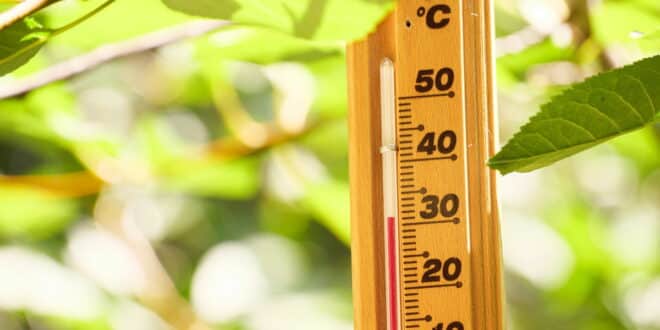
A thermometer soars above 40°C as Europe battles an extreme summer heatwave, pushing temperatures to record highs across the continent.
Credit : Sarkadi Roland, Shutterstock
The summer of 2014 has not been what we expected. Here’s what’s really happening in the record-breaking European heatwave—and what you need to know if you’re travelling, working, or just trying to keep cool.
Spain, Portugal, and beyond: Summer terror in Spain and Portugal
Let’s be honest, most of us dream of a bit of sunshine on our European getaways—especially if you’re coming from grey old Blighty. This summer, Spain, Portugal and Greece are experiencing temperatures so high that thermometers melt and even locals crave air conditioning.
The sunburn doesn’t just happen. Over the past week, temperatures in southern Spain have smashed through 46°C. Portugal had to put out red alerts on the majority of the country, not for the first. Paris, France, has experienced near-record heat, while 21 Italian cities have received government warnings. It’s not a one-off. Meteorologists have already called it “the hottest June ever” in Spain.
It’s more than just numbers in a weather app. This is real heat, the kind that shimmers above the tarmac, keeps you up at night, and—sadly—claims lives.
Heat-related tragedies and travel nightmares
Barcelona in Spain was the scene of tragedy this weekend after a street cleaner collapsed, and then died, following her shift. The authorities are still investigating whether heat is to blame but anyone who has spent an afternoon outdoors recently knows how difficult it can be.
Meanwhile, Greece—usually a paradise for sun-seeking Brits—has its own crisis. Authorities are searching on the island of Karpathos for a 55-year old British holidaymaker who has gone missing. With the sun beating down at 36°C and wildfires closing in, locals are being told not to even think about heading out in the heat of the day.
It’s not only people who are at risk. In southern Europe, wildfires are ravaging dry grasses and pine forests. In Turkey, an enormous fire near Izmir forced the airport to close and left hundreds of passengers stranded. Water has been dumped from planes on the burning fields and firefighters are working round-the-clock to battle blazes caused by strong wind and dry conditions.
A fire near Toulouse, France, burned 400 hectares at the weekend. Authorities think it started with a poorly extinguished barbecue—proof, if we needed it, that the smallest spark is enough when everything’s tinder-dry.
The bottom line Travel chaos. Airlines are shifting schedules, and if your flight’s cancelled due to fires, you’ll get a refund—but if you back out just because it’s roasting, you might not be so lucky.
Why this heatwave has been so intense
This is not your usual British weather. These “extreme” temperatures are now normalized by climate scientists and meteorologists, they say. The so-called “urban heat island” effect means cities like Paris, Madrid and even London are hotter than the countryside—sometimes by 4°C or more—because all that concrete and tarmac soaks up the sun.
The impact of sweating in the tube goes beyond that. Dr Radhika Kahsola, of the University of Oxford points out that cities actually amplify the heat. This makes it even more difficult for people to cool themselves down, particularly if they are working outdoors. Heatstroke is on the rise in Italy. Hospitals report that more elderly people and those who are vulnerable have been arriving dehydrated, dizzy, or worse.
Venice, meanwhile, has been offering free museum tours for the over-75s—not just for the culture, but for the air conditioning. In many Italian cities, the local authorities have opened “cooling centers” to assist those at greatest risk.
Safety tips for holiday hotspots
So what should you do if you’re already on holiday—or about to fly out? Let’s get real:
- Stay indoors when it’s hottest—between 11am and 5pm, honestly, it’s not worth the risk.
- Hydrate, hydrate, hydrate—even if you don’t feel thirsty. Always carry water with you.
- Check the news and local advice—travel plans can change fast if wildfires break out or roads are closed.
- Don’t underestimate the sun—slap on the factor 50, wear a hat, and avoid too much alcohol (tempting, I know, but it dehydrates you faster).
- When travelling with children or older relatives, be sure to keep an eye out for them. They are at the greatest risk.
And for those working in the heat—builders, cleaners, even those selling ice cream at the beach—look out for each other and take those breaks in the shade.
Authorities from Spain, Portugal, and Greece agree that it’s better to change plans or delay a beach trip than risk being hospitalized.
Heatwaves and mental health: more than sunstroke
Although it’s easy to laugh about melting under the sun, this issue is not to be taken lightly. Experts found that as temperatures increase, anxiety, depressive episodes, and even violent incidents rise. According to Oxford’s Dr Laurence Wainwright, a 1°C rise in average temperature can mean a 2.2% increase in mental health deaths each month. This is a sobering fact.
What is the lesson? Don’t just look after your body, look after your mind. It could be the heat causing you to feel irritable, depressed, or “not yourself”. Give yourself permission to slow down, skip a day of sightseeing, or retreat to an air-conditioned café with a cold drink and a good book.
Look ahead: Will this be the new norm for European summers in future?
Scientists believe it. We need to start planning summer differently, as climate change is causing heatwaves to be longer, more frequent, and hotter. Next year, the “average June” may be this year’s hottest ever. We’ll need to rethink holidays, work schedules, and even city design if we want to keep safe—and sane.
If you are hoping to get a break in the UK heat, don’t expect it. London was roasting at 31°C on Sunday, with more to come. Paris is set for 39°C, and even the famously rainy northwest of France is sweating under “orange alert” heat warnings.
Tips to stay cool and safe during Europe’s heatwave
Europe’s heatwave isn’t just a weather story—it’s affecting lives, travel, and health right across the continent. This summer, whether you’re laying by the pool in Malaga or queuing up for gelato in Rome or simply dreaming about your next vacation from an overheated British flat, it is important to take heat warnings very seriously.
Keep an eye out for official travel advice. You should check up on your neighbors if you live in southern Europe. Don’t be afraid of adjusting your plans. It’s not the right time to be a superhero.
After all, summer’s meant for fun—not for fainting on the pavement or sleeping through a siren-filled night as wildfires burn.
Keep your cool and safe. The sun’ll be back again tomorrow—and next time, maybe bring an extra bottle of water.