Costa News Spain Breaking News | English News in Spain.

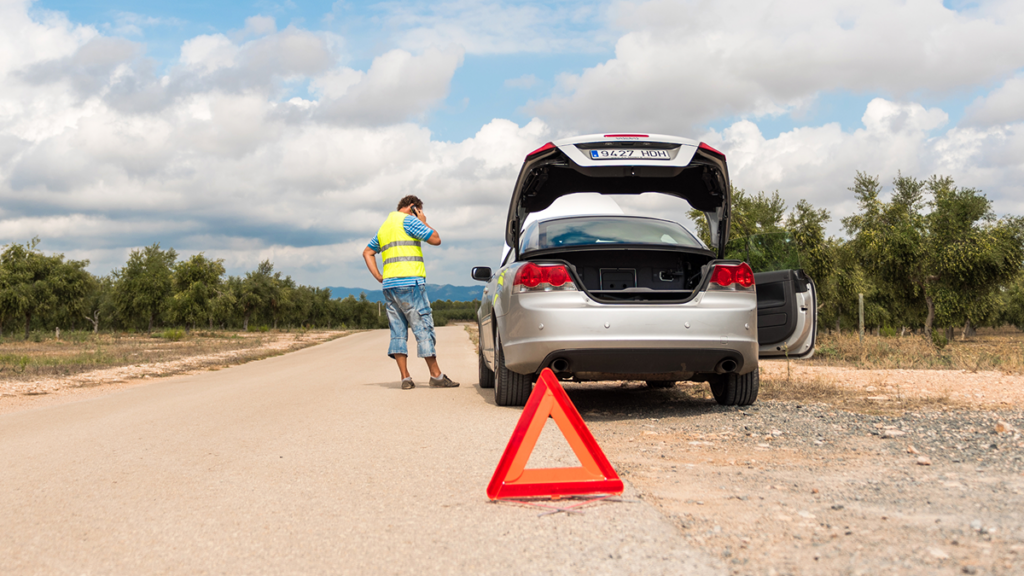
The DGT’s draft plan goals to assist drivers left ready. Credit score: gg-foto / Shutterstock
You’ve pulled over, rung your insurer and been advised a tow truck is on its method, after which nothing occurs. Now the DGT is drawing up a plan that will let Guardia Civil visitors officers name in a public backup when you’ve waited 60 minutes, though insurers and tow operators aren’t impressed.
A one-hour wait may set off the backup
Drivers who break down on roads managed by the DGT (Spain’s visitors authority) may get assist from a public platform if their insurer doesn’t reply in time. The plan is about out in a draft referred to as Instruction MOV 2026/07, which might let the Guardia Civil’s specialist visitors police unit request a tow as soon as an insurer has stayed silent for 60 minutes.
Nevertheless, the hour isn’t the one set off. The platform would additionally step in if the insurer flatly refuses the job, if its cellphone line or app is down, or if it merely can’t discover a appropriate automobile to ship.
The DGT has mentioned it received’t have any contract or employment hyperlinks with the companies collaborating, and that it received’t tackle any financial obligations. So it isn’t but clear who would pay for a tow organized this fashion.
Insurers say a delay isn’t at all times their fault
Insurers’ affiliation Unespa has raised issues about how a failure to reply can be determined, mentioning that offering help is a contractual obligation they’re already sure to satisfy.
Motoring golf equipment RACE and RACC have taken purpose on the 60-minute rule itself, saying it doesn’t correctly separate a real failure to assist from a delay that’s cheap. Critics additionally word that waits usually run longer at peak instances and when industrial autos are concerned.
Tow operators worry two vans turning up
Roadside help companies have been simply as blunt. The Alianza Nacional de Auxilio en Carretera and the REAC community (a gaggle of roadside help firms) have argued that roadside work is excessive threat, so companies needs to be checked for correct tools and skilled employees relatively than counting on a self-declaration (a type saying they meet the principles).
Additionally they warn {that a} parallel public system may ship two tow vans to the identical automobile, one from the insurer and one other from a DGT visitors management centre. Alianza spokesperson Xavier Martí mentioned what’s wanted is ‘one coordinated community with real-time info’.
There’s no launch date but
The DGT hasn’t set a date for publishing the instruction and remains to be going by means of the objections it obtained. Which means it’s a draft for now and never a rule drivers can depend on.
Till a closing model seems, nothing modifications on the roadside, so your insurer’s help line stays the primary name to make.