Costa News Spain Breaking News | English News in Spain.

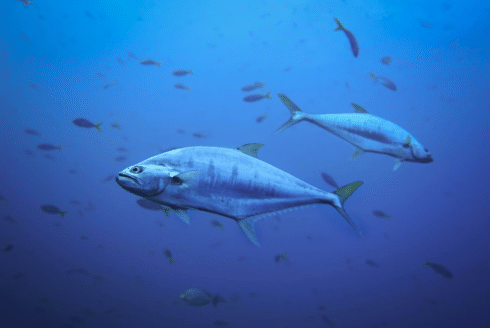
The climate change is forcing Atlantic bluefin to migrate northward. This threatens historic breeding grounds, and puts one of Spain’s most valuable industries in danger.
Bluefin Tuna is known in Spain as atun rojo The largest species of tuna in the world (Thunnus Thynnus) is one of the most expensive fishes on the market.
In 2019, a single bluefin tuna sold in Japan for over €2.7 million.
Researchers now suggest that climate changes could drastically reshape the areas where iconic species are able to survive and reproduce.
An international study led by researchers at AZTI found that rising ocean temperatures are pushing Atlantic bluefin tuna more north.
The warming of both tropical and temperate waters, such as in the Mediterranean and Gulf of Mexico, could cause areas historically vital for tuna reproduction to become unsuitable.
The study points to warmer temperatures that will alter where fish can feed, reproduce or be caught.
In the bleakest scenario of greenhouse gas emissions, the study estimates that habitat sustainability in the Mediterranean could decline by 27%, with the Gulf of Mexico seeing a drop of up to 70%.
This could seriously jeopardize the species’ reproduction success that has continued for over a millennium.
Due to the expected changes, fisheries are advised to integrate the effects of climate change by identifying new areas suitable for mating to ensure the harvesting of tuna remains sustainable.
‘Climate change not only affects ecosystems, but also how we manage marine resources,’ explained AZTI researcher Erauskin-Extramiana.
‘Anticipating these shifts is key to protecting both biodiversity and the livelihoods that depend on it.’
READ MORE: Spain’s reservoirs reach levels that were unthinkable last year after six weeks of storms
These findings, which AZTI has been reporting about since 2019, suggest that future ‘refuge areas’ or suitable breeding zones may begin to emerge farther north in northern Europe, Greenland and the Northeast Atlantic.
Out of all of Europe, Spain is the leading producer of bluefin tuna production.
According to APROMAR, Spain harvested 10,877 tonnes of bluefin tuna during 2022, generating an estimated €183.2 million.
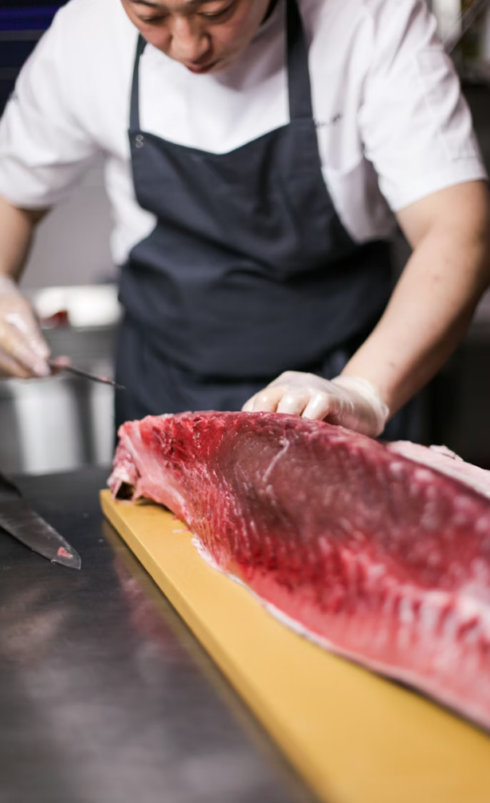
Interestingly, around 96% of the Spanish bluefin production is exported to Japan each year for sushi and sashimi.
But climate change may not only alter where tuna are caught. The environmental shifts could impact the size of the fish, as well.
A 2023 study published in Global and Planetary Change Bluefin Tuna is expected to lose about 15% of its mass by 2050.
As market prices are determined by the size of the product, this could lead to a reduction in revenue for one of Spain’s most lucrative sectors.
READ MORE Could new-fangled ‘solid water’ tech be the solution to Andalucia’s chronic drought issues?
Every spring, as the bluefin migrates from the Atlantic to the Mediterranean for mating purposes, fishermen on the coast of Cadiz get ready for an age-old tradition.

Phoenicians introduced the technique 3,000 years before and it includes a complex net system placed along migration routes from Barbate to Zahara and Conil.
The fish caught using this method can reach a weight of more than 500 kg and is approximately 1,6000 tonnes per year.
Almadrabas are considered to be a sustainable way of fishing. Andalucia’s cultural identity is deeply rooted within the almadraba.
Cadiz has a rich culinary heritage that includes local dishes like atun encebollado and mojama. The Barbate Tuna Museum also celebrates this tradition.
The question is: Will tuna continue to migrate through the Strait of Gibraltar at the same rate if the waters continue warming?
Not all the news is bad, however.
Researchers at the Centro Oceanografico de Malaga have already identified examples of how new fishing methods can be updated through collaborative research.
The 2025 Study found that Spain’s yellowfin Tuna Fleet is changing its strategy to adapt to climate-driven changes and regulatory demands rather than simply tracking the tuna’s progress.
Read more Green News at The Olive Press by clicking here.