Costa News Spain Breaking News | English News in Spain.

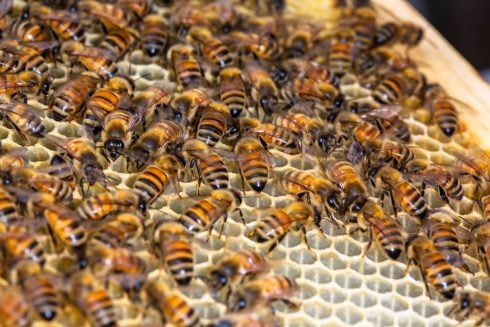
SPRING brings with it a sensory overload: blooming jacaranda, clinking glasses of cava, and – if you listen closely – a soft buzz in the air.
Bees are one of the most important (and underrated workers) in nature. World Bee Day was just a few days ago, so it’s a great opportunity to spotlight these tiny powerhouses.
Let’s begin with the sweet stuff. Spain isn’t just a fan of honey – it’s one of the largest honey producers in Europe. Spain takes honey seriously, with more than 2,4 million hives.
Each region has a distinct flavour. You’ll find orange blossom honey in the south. In the north you will find a smoky and deep chestnut honey. Catalunya’s acacia honey is light and floral, with a unique taste.
Locals don’t just drizzle it on toast – they pair it with cheeses, mix it into stews, or spoon it into yogurt for breakfast. Honey is often a key ingredient in desserts, such as rosquillas and torrijas.
But this sweet tradition is now facing a bitter test.
Pollinators such as bees are responsible for a third of our food. What if there were no bees? No almonds, tomatoes, olives, or wine grapes – not to mention honey itself.
The International Union for Conservation of Nature (IUCN) warned in 2015 that over one third of wild bees in Europe were in decline. In southern Europe and Spain, this situation is very serious.
READ MORE
No single villain is responsible for the current situation. Climate change. Habitat loss. Monoculture farming. Pesticides. Parasites like the varroa mite – all are playing their part in the crisis.
And then there’s Colony Collapse Disorder – where bees just disappear without warning. Since centuries, this has happened, but recently, it seems to have gotten worse.
Even though Spain produces fantastic honey, 80% of it is imported. Most of it comes from China. And much of that is fake – cheap syrup made from rice or corn masquerading as the real thing.

Local beekeepers have a hard time competing. So if you’re traveling through Spain and spot jars of raw, unfiltered honey at a market – grab one. Even better, find out where it comes from and what flowers bees visited. You’ll not only enjoy a better tasting honey, but you’ll also be supporting an ancient craft.
Visit a bee farm to take things a little further. You can experience a variety of hands-on activities in Spain. For example, you can don a beekeeper suit and sample honey directly from the hive.
So the next time you’re enjoying a cheese plate drizzled with the good stuff in Madrid or hiking through wildflower-covered hills in La Rioja to the accompaniment of a gentle buzz, remember: behind every spoonful of honey is a hardworking hive.
Supporting the bees supports biodiversity, agricultural production, and lots of delicious food.