Costa News Spain Breaking News | English News in Spain.

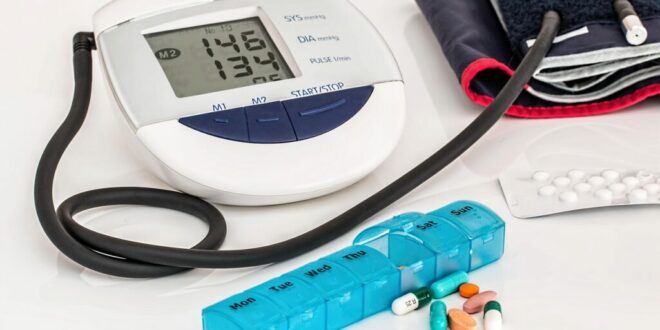
Diabetes and heart diseases Credit: stevepb, Pixabay.
Type 2 Diabetes Increased productivity isn’t the only way to increase profitability Risk of heart disease – it physically reshapes the human heart itself, according to new research. Scientists believe the findings can help explain why diabetes patients are at an increased risk of heart failure.
Researchers at the University of Sydney led the study that examined donated heart tissue. They found that diabetes affects the way heart cells produce energy. It also weakens the muscle structure and leads to a buildup of fibrous tissue, which makes it harder for the heart to pump.
Diabetes affects the heart structure and energy output
Researchers in Sydney compared the heart tissue of transplant patients with healthy donors. The researchers found that type 2 diabetics alter the heart’s structure and how it generates energy.
These changes explain why diabetics are at a higher risk for heart failure even after other risk factors have been taken into consideration.
Dr Benjamin Hunter led the research and said that the study was the first time diabetes and ischaemic heart disease were examined in the same tissue. The correlation between heart disease (and type 2 diabetics) has long been known, but the research presented here is the first that has revealed a unique molecule profile of people with both conditions.
Diabetes disrupts heart energy supply
In a heart that is healthy, glucose and ketones contribute to the energy production. Diabetes interferes with the process of increasing glucose consumption during heart failure.
The researchers found that diabetes worsens the molecular features of heart failure and increases stress on mitochondria – the “powerhouses” of the cell responsible for producing energy.
Over time, the metabolic stress weakens your heart and decreases its capacity to handle physical stress.
The study showed that structural damage to the heart was evident beyond energy production. The levels of proteins that are responsible for muscle contraction, calcium regulation and other functions were significantly lower in patients with diabetes as well as ischaemic cardiovascular disease.
As well, fibrous tissue built up in the heart muscle making it stiffer.
The World Health Organization (WHO) estimates that around one in 10 Europeans will develop diabetes by 2045The aging population and lifestyle-related risks are the main drivers.
The study highlights the importance early diabetes management, and cardiovascular screening in reducing the long-term risks of heart failure. This is especially true before symptoms appear.
View all Health News