Costa News Spain Breaking News | English News in Spain.

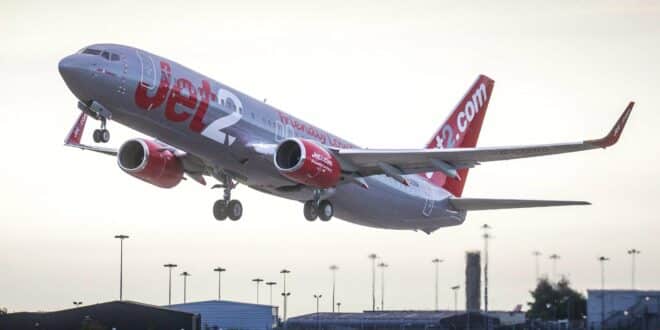
EXPATS who are looking forward to summer holidays may be in for a headache as jet fuel prices have suddenly doubled throughout Europe.
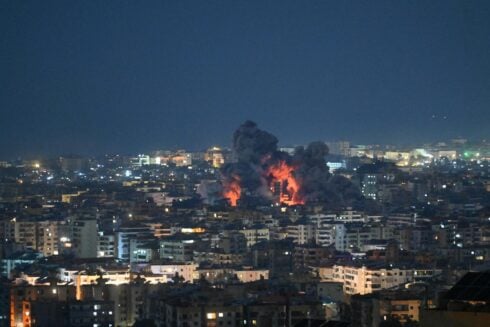
After the Middle East war, the aviation industry is facing increasing pressure. Costs have risen dramatically in just a few weeks.
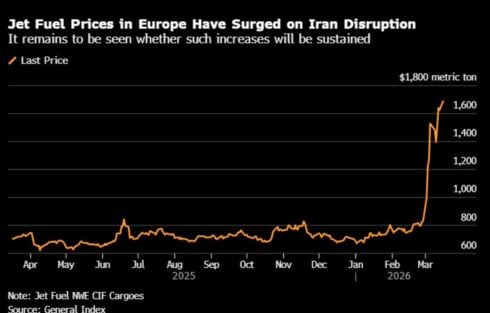
Data from fuel price index General Index shows the cost of jet fuel in northwest Europe has soared from roughly €640 per metric tonne to more than €1,470.
The airlines have been forced to cancel some flights. This has caused a lot of concern about the summer peak season.
READ MORE After the attack by Iran on a vital Qatari plant, gas prices have risen by 25%.
As a result of the crisis, major airlines have already taken concrete steps to increase ticket prices in the next few weeks.
Scandinavian Airlines SAS has cancelled 100 flights in the last few days. As cost pressures increase, reports suggest that the number of cancellations could reach 1,000 in April.
The airline claimed it was ‘consolidating capacity’ on routes with alternative connections to maintain stability for passengers, warning further cuts could follow if prices remain high.
READ MORE Spain is set to release a chunk of its rainy day oil reserves to beat down petrol prices – but how much does it have saved up, and how long will it last?
However, the Norwegian pilots union has disputed this, accusing SAS of using the crisis as a ‘smokescreen’ for ongoing staffing shortages following a long-running labour dispute.
Air New Zealand, for example, has suspended 5% of their flight schedule due to the increase in costs until early may.
Airlines are scrambling across the industry to protect their margins.
Air France-KLM has begun increasing long-haul fares by around €50 on some routes.
Meanwhile, major groups such as IAG – owner of Iberia and British Airways – and low-cost giant Ryanair are relying on fuel hedging strategies to soften the immediate blow.
READ MORE Oil prices race towards $100 a barrel after new attacks on cargo ships in the Gulf – here’s how it will impact Spain

If the situation persists into the summer months, the next step would be to trim weaker routes. This includes regional UK-Spain flights or flights that have multiple departures per day.
Although high-demand hotspots for expats such as Malaga, Alicante, and Palma should remain resilient, secondary routes may be affected if airlines consolidate their capacity.
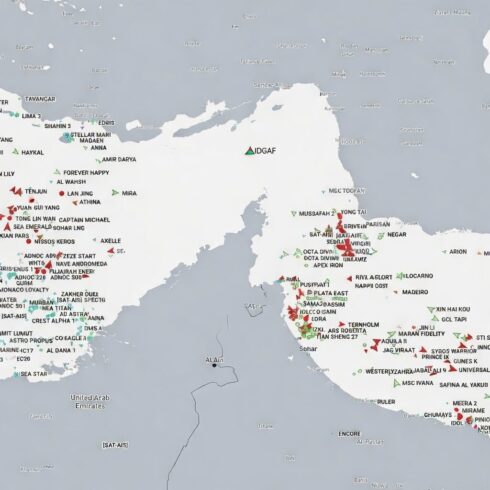
The spike in prices is due to escalating Middle East tensions and concerns over the supply of goods through important shipping routes.
READ MORE EXPLAINER: How has the war in Iran impacted wholesale energy prices in Spain – and what does it mean for my household bill?
As of yet, Iberia, Vueling, and Air Europa are among the major airlines in Spain that have not reported widespread cancellations due to fuel prices.
But analysts warn that if this trend continues, the country may not be immune.
Airline companies typically react to fuel price shocks by implementing three steps: absorb the costs first, raise fares next, and finally cut less profitable routes, if prices continue to rise.
The fuel sector is now entering a new phase.
Much will now depend on how long the disruption to global oil supply lasts – whether the Strait of Hormuz can be reopened and if peace can return to the Middle East.
The airlines could avoid mass cancellations by stabilizing prices. If the price surge continues, airlines may have to cancel more routes connecting Spain.
Travel News by The Olive Press.