Costa News Spain Breaking News | English News in Spain.

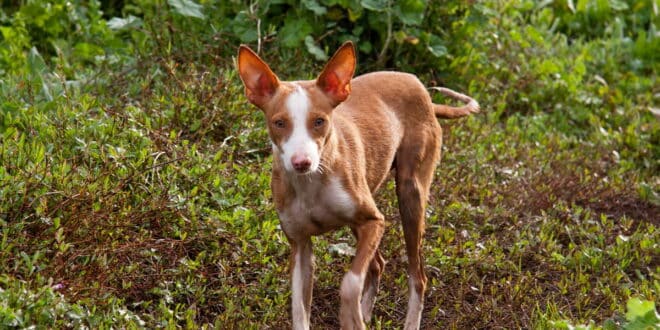
A groundbreaking EU regulation on dog welfare could soon transform the lives of Spain’s hunting dogs, ending years of unequal treatment.
In Spain, the rights of hunting dogs are vastly different from those of companion pets. According to animal advocates, thousands of Podencos and Greyhounds are not properly supervised in Spain’s kennels during hunting season or in the kennels. Spanish Law 7/2023 Hunting dogs are excluded from important protections. They are treated more like animals for production than sentient beings and do not receive the treatment they deserve under the law. The dogs are not required to be microchipped, their ownership can’t be traced, and there is no systematic check on the living conditions. The number of abandoned animals tends to increase at the end of each season, and authorities struggle to hold owners responsible due to missing records. Animal shelters, which do not kill healthy animals, are also overwhelmed. It is not the case for all dog owners and hunters, since many professionals treat their dogs with great care. In Spain, however, the full oversight is lacking.
Why do hunting dogs have special rights that are not included in the pet laws?
Sometimes, rural traditions and the interests of hunting lobbys are put before political choices. In Spain, Law 7/2023 makes a deliberate distinction between hunting breeds and companion animals, classifying the latter with livestock. In rural areas, animals are often viewed as tools to be used for activities such as hare coursing and driven hunts instead of family pets that deserve the same protections. Critics claim that this creates a system of two tiers. Hunting dogs are often invisible to animal welfare authorities, while pampered dogs in urban areas can be legally protected against abuse. Consequently, many abandoned dogs wind up overburdening animal shelters.
However, the following is a list of EU proposal All dogs, no matter their purpose, will now be guaranteed universal traceability by mandatory microchipping. In June 2025, amendments were adopted that reinforced inclusion, without exceptions. They defined working dogs and hunters under the same regulations, which they had not been before.
The proposed system
Interoperable EU database links would connect Spain’s fragmented system, allowing better abuse investigations to be conducted and reducing any illegal trade. A ban on nontherapeutic mutilations such as tail docking will be applied more widely, although exceptions are still made for certain breeds.
In spite of the potential of the new regulation, the main obstacle is its implementation. National reform proposals still exclude hunting dog from the standard pet animals enjoy. Separate rules could offer an even more laxer supervision.
What can you do to influence your MEPs?
Campaigners encourage people to contact their MEPs by email, phone or social media in order to ensure that laws are fully implemented without loopholes. Groups like Support campaigns by AnimaNaturalisSign petitions for equal protection and join advocacy campaigns highlighting abandonment statistics. Previous public pressures have been effective in influencing EU amendments. Citizens can also push MEPs for animal sentience to be a higher priority than hunting exemptions when final adoption stages are being considered.
Animal welfare advocates are hopeful that the landmark EU decision will force Spain into bridging the gap by granting hunting canines the recognition they rightfully deserve as sentient individual beings.