Costa News Spain Breaking News | English News in Spain.

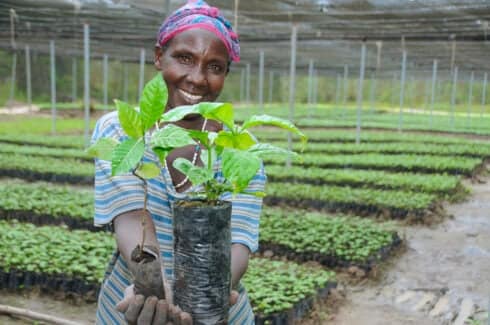
UGANDA is known as the ‘Pearl of Africa,’ and offers one of the finest topographies in the world for growing quality coffee beans.
From the fertile volcanic slopes of Mount Elgon in the east to the Rwenzori Mountains in the west, each region boasts unique growing conditions and flavours.
Since more than 200 years, the country has harvested coffee beans on its soil.
Ugandan Robusta beans were first grown in the forests surrounding Lake Victoria more than 200 years ago. By the late 19th Century, Ugandan Robusta had reached European markets. Missionaries brought Arabica beans into the country during the 20th century.The th century.
Coffee is an important part of Uganda’s economy today, providing employment to over 1.7million households, and contributing significantly towards foreign exchange earnings. Uganda is ranked 7th in the world for coffee production.
Ugandan coffee has become a popular export to Spain. It is one of Uganda’s five top markets. While Italy often takes the largest share, Spain remains a major buyer, securing around 5.17% of Uganda’s coffee exports in May 2025, according to the Uganda Coffee Development Authority (UCDA).
In 2023 Spain imported 16,500 tons of coffee from Uganda. Green-coffee exports to Uganda increased by 7.0% a year between 2019-2023. In 2024, Uganda will export coffee, coffee husks and substitutes worth $73,91 million to Spain.
A new generation of Ugandans coffee producers has led the growing interest in Ugandan Coffee. They are championing sustainable farming practices, empowering women, and transforming communities.
Ugandan Coffee will be making their first group appearance in the annual Madrid Coffee Festival (13-16The th It will showcase its beans, and the pioneering growers who produce them to the 60,000 expected attendees.
Ugandan specialty coffee is the focus of their direct message to Spanish coffee consumers and industry participants, who are invited to learn about its rich flavours and fascinating stories.
Young pioneering growers in the country are committed to uplifting communities, and support local schools, financial literacy, and youth programmes. From bean to cup their practices are rooted in sustainability, including agroforestry and climate-smart farming, as well as initiatives like shade-planting, beekeeping, and agroforestry. It is also important to note that many farms employ a majority of women who are given technical training and paid fairly.
As an example: Mountain Harvest, It is dedicated in empowering women by producing coffee and has seen the number of women working with it grow from 13% in 2018 to 41% in 2020.
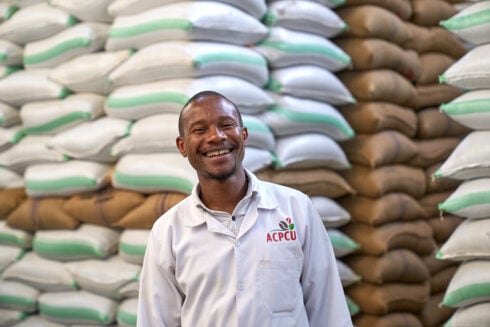
When Ankole Cooperative Union The company is located in fertile volcanic soils in Southwestern Uganda at an altitude of 1400 – 1900 metres above the sea. They are committed to the development of local communities, and have helped fund schools in villages that they work with.
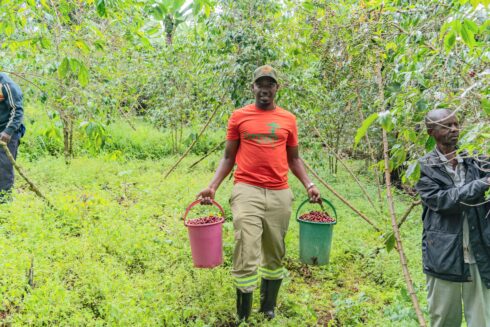
Each of its member farmers manages small farms, averaging about 1.5 acres. They carefully care for 600-700 coffee plants. Their farming practices include maintaining soil health, pruning coffee bushes and intercropping with plants rich in nutrients such as bananas.
Due to their high elevation, these farms produce coffees that have a unique cup profile with floral notes, fruity notes, and sweet ones.
Zamani Coffee It was created as a way to empower small farmers. 250 small-scale growers in the Sipi Region cultivate its beans, combining traditional methods with innovative techniques to nourish the land which sustains them.
Zamani offers ongoing education in sustainable farming practices and post-harvest techniques to achieve greater profitability while protecting the environment. It established the ‘Sipi Zamani Coffee Farmers Savings Cooperative’, a platform that empowers farmers to save, plan and deliver community-driven initiatives.
Ugandan coffee will be a favorite among Spanish coffee lovers with consciences in 2025.
Ugandan Coffee – Where to Buy it
Specialty coffee traders, including those listed below, import Ugandan coffee to supply roasters in the UK’s North West.
- Dr Wakefield
- Langdon Coffee
- Volcafe
- Zamani Coffee
- Kiyetec Solutions Ltd
Case Study: Kwezi Coffee
Kwezi Coffee, founded by Barbara Mugeni, a second-generation coffee expert, and Pamella Kampire is based on passion and perseverance. Barbara and Pamella were inspired by their parents’ expertise in coffee farming, operations and marketing. They set out to create a brand which champions women while building a sustainable future.
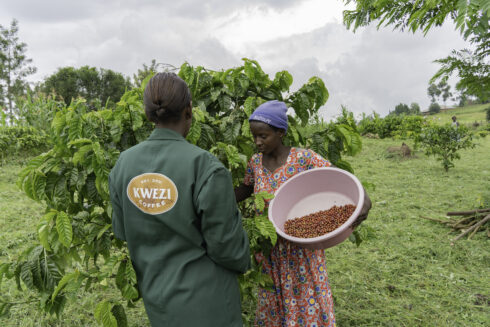
Kwezi Coffee, a specialty coffee from Uganda’s high altitude regions, embodies Uganda’s rich landscapes and flavours. It works closely with over 2,700 farmers – 60% of whom are women, to produce coffee that delights and inspires.
Barbara and Pamella’s goal is to source, export, and process the best Ugandan coffee, while empowering young women and girls throughout the entire coffee value chain. Fair pricing, sustainable practice, and a commitment to quality are their goals to inspire a future generation of leaders within the coffee industry.
Kwezi Coffee is committed to creating positive change that goes beyond the cup. This includes:
- Sustainability: Promote soil health and biodiversity with shade trees, natural pest control, and cover crops.
- Community Empowerment : Fair wages, technical training and growth opportunities are provided to farmers with an emphasis on women and youth.
- Innovation: Investing into energy-efficient technology such as solar powered equipment and eco friendly waste management practices.
Kwezi Coffee also has a variety of community initiatives, including:
- Workshops to teach mulching, pruning and soil erosion management techniques that will improve your yields.
- Sharing resources and good practices with local agribusinesses.
- Diversifying income streams through beekeeping or livestock farming.
Case Study: Clarke Farm
Clarke Farm, located in Western Uganda’s Kyenjojo, Rwenzori Region’s Kyarusozi Parish is a family owned, eco-friendly farm that is committed to sustainable agriculture and high-quality coffee production.
Clarke Farm grew out of a desire to make an impact in rural Uganda. The farm was founded by Dr. Ian Clarke who is a dual Irish and Ugandan citizen. It builds on years of dedication to improving education and healthcare in the area.
Dr. Clarke was motivated to start coffee farming by his desire to reduce rural poverty, empower young women and girls and to end the stigma of being a woman. Uganda’s cash crop of choice, coffee, became a vehicle for change. It provided jobs, increased incomes, and opened the doors to education for thousands of families.
Clarke Farm is dedicated to the sustainable production of Robusta washed coffees. The exceptional coffee is grown along with other crops such as Irish seed potatoes and matooke, a type of banana, mangoes (a type), macadamias (a kind of tree), bamboo, and corn. The farm also focuses on agroforestry with indigenous tree corridors and eucalyptus plants. Clarke Farm has a commitment to sustainable farming that supports local ecosystems. This blend of agriculture with forestry is a great example.
Dr Clarke says, “If we can have an impact on this rural community by providing cash and jobs, especially for women and girls in particular, then it will increase the household income, and allow families to send their kids to school. This will help break the cycle.
The Olive Press offers more Madrid News.