Costa News Spain Breaking News | English News in Spain.

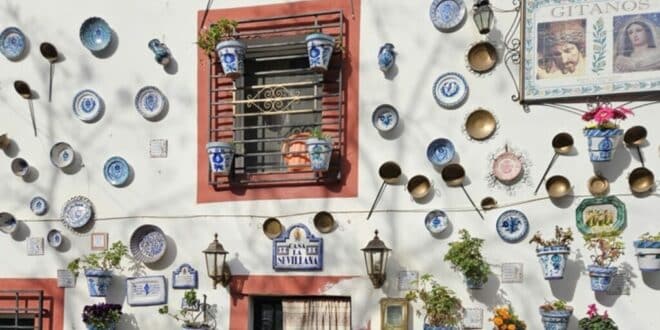
Traditional ceramic plates from Granada. Credit: abdelyo, Shutterstock.
For centuries, people have adorned their walls with decorative plates – a practice that first gained popularity in Europe in the 17th and 18th centuries as a mark of taste and travel, according to Vogue.
Today, plated wall is making a return, especially with Spanish ceramics where history and craftsmanship blend beautifully with modern design.
The History of Wall Plates
Ceramics are used in Spain and the Mediterranean for many years beyond the dinner table. As Casa Maricruz According to the article, plates used to be displayed on walls as a way of showcasing artisanal skill and regional identities. Hand-painted plates were passed down as heirlooms by families, and many Spanish houses still display colourful ceramics in the azulejo style.
Designers like Renzo Mongiardino have used plate walls to create a sense of depth and grandeur in interiors. The look, however, was associated by the mid-20th Century with dusty dining room and was considered old-fashioned. Today, grandma’s chic is making a return.
Spanish wall plates in modern styles
The plate wall of today is less about symmetry, and more about telling a story. Long Story Short It is suggested that the salon wall be re-imagined by playing with colour, pattern and arrangement.
- Monochrome Impact: Choose plates with varying shades of one colour to create a minimalist style that pays homage to tradition.
- Geometric layouts are common in Spanish ceramics. Arranging them into grids or shapes can create a statement wall.
- Combine vintage and contemporary: Combine Talavera antique plates with new, handmade artisan items for a multi-layered, lived in feel.
How to install Spanish wall plates securely
Spanish ceramic designers often design plates that have holes for hanging. If this is not possible, you can use adhesive hangers or wire mounts.
- Plan the arrangement before committing it to the wall.
- Mark the positions with care, and make sure that spacing is uniform.
- Mix the sizes to balance your layout. Larger plates can act as anchors.
It is a great way to transform plates into wall art that celebrates their cultural and decorative value.
Spanish without stereotypes
When decorating in a Spanish style, it’s important to distinguish between authentic heritage and clichés. As a Medium article by Silvia Sanchez Ureña points out, Spaniards rarely use matador figurines or flamenco dolls in their homes today. Pottery, ironwork and azulejos are timeless. Handcrafted ceramics from Spain support artisans and reflect real traditions.
Hanging wall plates are a subtle and easy way for expats to incorporate authentic Spanish heritage in their homes. They bring colour, local craftsmanship, and history to your home. Plus, they combine old-world art with modern design.
All articles on Homes and Gardens.
See all the latest property news.